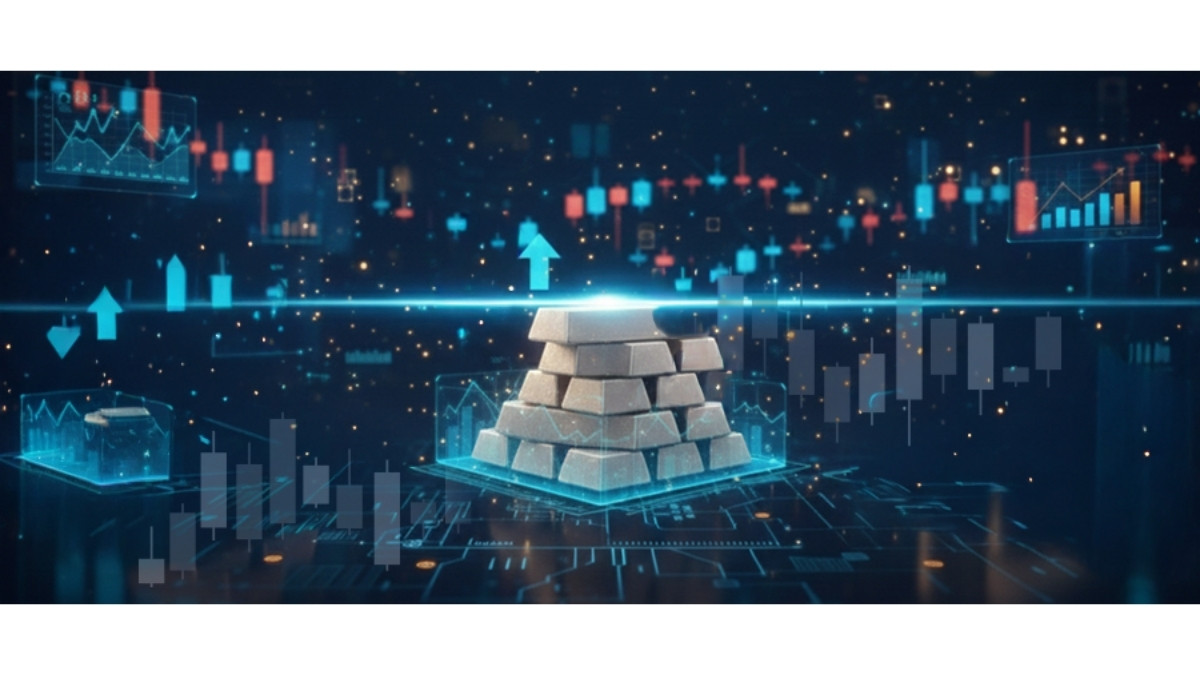
Silver ETFs let you invest in silver through the stock market instead of buying and storing physical metal. You can buy and sell these funds in your demat and trading accounts, and their prices move broadly in line with the market price of silver.
This article covers how Silver ETFs work, their main advantages and risks, and who they may suit.
Why Investors Consider Silver ETFs
Some investors want to add silver to their long-term plan without dealing with storage and purity checks. For them, these funds can be a way to link their money to silver prices in a simple, market-based manner. They can use them to balance holdings in shares, debt and silver, and adjust exposure in small steps over time.
Advantages of Investing in Silver ETFs
Several points make these ETFs attractive compared with buying physical silver.
Price Transparency
The first plus is how clearly you can see the price you are paying.
Liquidity
Another benefit is the ease with which you can enter and exit small amounts.
No Storage or Purity Issues
Holding physical silver at home comes with its own risks. Silver ETF lets you invest in physical silver without this risk.
Cost Efficiency
Costs play a key role in what you keep over long periods.
Risks of Investing in Silver ETFs
Like any market-linked product, these funds also carry risks that investors should understand before they put money in.
Price Volatility
Silver prices can move sharply in both directions over short periods.
Market Dependency
These funds depend on how well the market is working.
Global Price Sensitivity
Silver is influenced by global factors that are not in any single investor’s control.
Who Should Invest in Silver ETFs?
These funds are not for everyone, but they can suit investors who want to add silver to their overall investments in a clear and simple way.
Who Should Consider Silver Mutual Funds?
They are more likely to suit investors who understand basic market products and can handle moderate swings in value. Such investors may already use other funds or ETFs and want to add silver as a small slice of their total plan. They are willing to stay invested for a few years, review their holding from time to time and do not look at silver as a quick trade.
Who Should Avoid Silver Mutual Funds?
They may not be right for people who are very uncomfortable with price moves or who prefer only fixed return options. They can also be less suitable for those who want silver mainly in the form of jewellery or coins for personal use and gifting. Anyone who cannot spare time to track market-linked products, even at a basic level, may find it harder to stay invested with confidence.
How Much Should You Invest in Silver ETFs?
The share of these funds in your plan should normally be limited compared with core holdings in essentials such as emergency savings, fixed income and broad-based equity products. The exact number should depend on your goals, age, income pattern and comfort with risk.
Conclusion
Funds that invest in silver give investors a simple way to benefit from changes in its price without holding it in physical form. They offer clear pricing, easy buying and selling, and no daily storage worries, but they also see big price moves and are affected by events in world markets. When you understand how they work, their main plus points and risks, and keep their share of your money at a level you are comfortable with, you can decide whether Silver ETFs should be part of your long-term plan.
Former British royal Prince Andrew was arrested on Thursday on suspicion of misconduct in public…
The Disappearance of 84-year-old Nancy Guthrie has held national attention for over two weeks, as…
A video of Donald Trump appearing to be briefly asleep during speeches at his “Board…
