
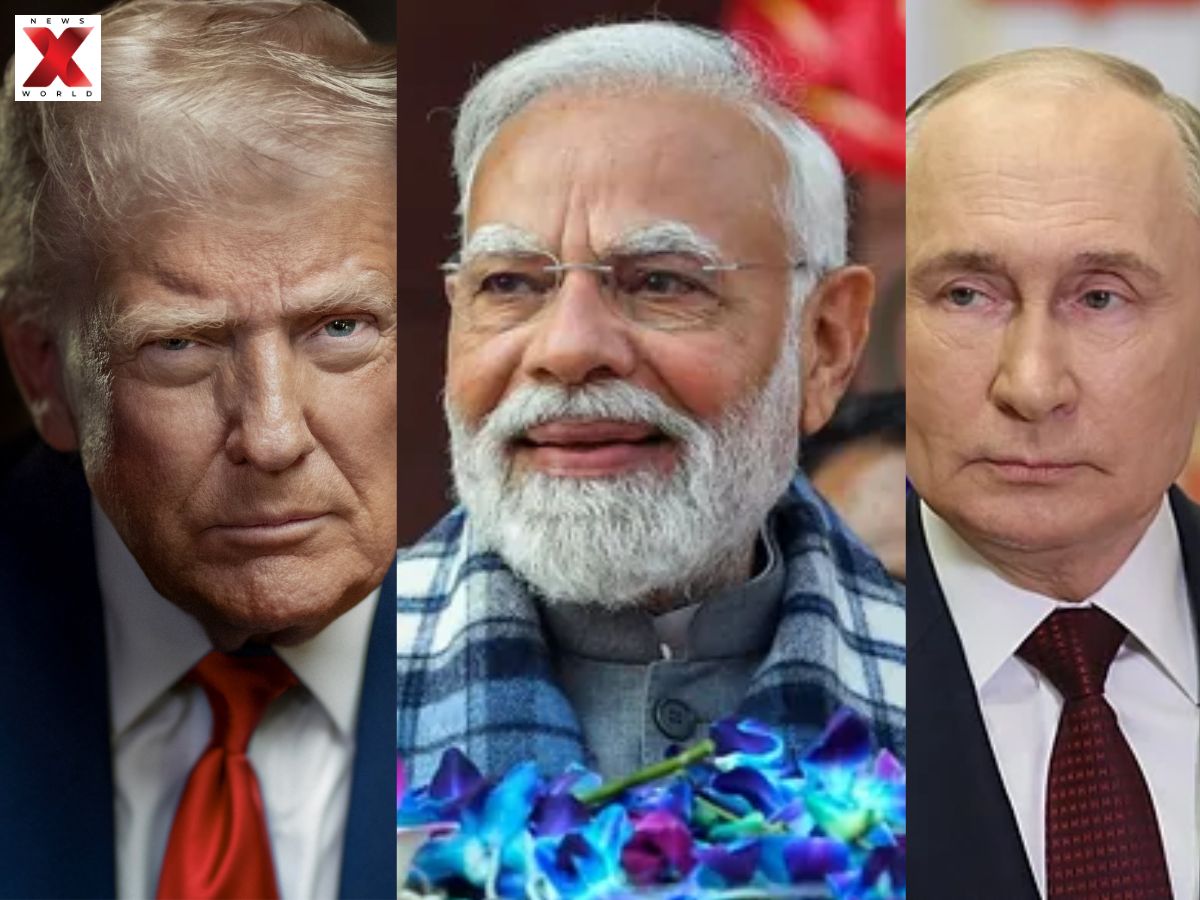
Putin In India: India-Russia Relations and Strategic Implications
India and Russia are not simply shaking hands, they’re engaged in a delicate strategic chess game. Their association is centered around safeguarding each other’s interests while also ensuring that no third party gets hurt simultaneously. The leading global players, particularly the US and Europe, are watching this relationship as if it were a high-stakes game.
What is the reason for such close observation? The very sensitive background of the Ukraine war may determine every move, and any indication of too much closeness with Moscow might create geopolitical ripples across the globe. For India, it is a tightrope walk, maintaining its long-time friendship with Russia while at the same time making the US and the Western allies know that it is still very much in the game.
To sum up, India is playing both sides in a very smart way, keeping its options open, and doing it in style.
Potential Impact On India-US Trade Deal By Putin’s Friendly Handshake With PM Modi
-
US Tariffs: India is currently subject to a 50% tariff on certain goods, with half of this tariff directly linked to its purchases of Russian crude oil. This makes Indian exports, such as textiles and pharmaceuticals, less competitive in the US market.
-
Sanctions Risk: Indian companies continuing business with sanctioned Russian entities like Rosneft and Lukoil face the risk of being cut off from US markets and the global banking system. This creates hesitancy in fully engaging with Russia and complicates international trade relations.
-
Geopolitical Balancing Act: India is navigating a strategic tightrope, maintaining long-standing defence and energy ties with Russia while simultaneously pursuing trade partnerships with the US. This balancing act requires careful diplomacy to avoid jeopardising economic opportunities with either side.
Trade And Economic Tensions, The Aftermaths
India’s romance with Russia is now a costly affair. The US government has imposed enormous tariffs on Indian exports, which are not just a mere warning but also hitting the main areas like textiles, pharmaceuticals, and other major exports. The whole thing is that the US is levying a tax on the entire barrel of crude that India imports from Russia, indirectly pushing the price of Indian goods up in the US market.
On top of that, there is the sanction issue. Activating business with Russian companies such as Rosneft and Lukoil is nothing but a high-risk venture, it’s a balancing act over a financial landmine. One miscalculation, and the Indian firms might get in the US markets or in a very complicated situation with the regulators.
At the same time, the trade between India and Russia goes on without any issues: crude oil, fertilizers, and defence equipment are the main imports, while automobiles, pharmaceuticals, and consumer goods are the major exports. However, the partnership with Moscow is getting less and less like a good strategy and more and more like a high-stakes bet that could turn out to be very costly for New Delhi in the long run.
PM MODI-TRUMP vs PM MODI-PUTIN, Who Is What For Trades: Key Differences
| Feature | India-US Trade Relations | India-Russia Trade Relations |
|---|---|---|
| Overall Goal | Achieve $500B bilateral trade by 2030 | Achieve $100B bilateral trade by 2030 |
| US Tariffs on Indian Goods | 50% total, 25% penalty for Russian oil imports | High tariffs due to India-Russia trade, mostly energy-focused |
| Sanctions & Risks | Risk of being cut off from US/global banking | Trade continues via alternative currencies to bypass sanctions |
| Key Exports/Imports | Pharmaceuticals, textiles, IT services | Crude oil, fertilizers, defence equipment; exports include automobiles and pharma |
| Contentious Issues | Market access, data policies, IP rights, tariffs | Trade deficit skewed to Russia; potential FTA with EAEU |
| Geopolitical Stance | US wants India to align on Russia-Ukraine | India maintains strategic autonomy |
Tightrope Diplomacy: India Navigates Russia Ties and US Trade Ambitions
India’s juggling act is not a simple job; it is a very difficult task, akin to walking a tightrope in a world of circus performers. On one side, there is the attraction of cheap energy and a close relationship with Russia; on the other, the US is staring at India, using tariffs and sanctions as warning signals. The world is watching every single action by India, and just one wrong move might upset trade talks with Washington.
The solution? Strategic autonomy seasoned with diplomacy, a little pragmatism, and very strong nerves. India has to balance energy requirements, military cooperation, and US trade aspirations, all while keeping the global audience thoroughly interested.
(With Inputs)
Also Read: Unbelievable Price Surge: Are Delhi’s Five-Star Rooms Really Costing Up To ₹1.3….