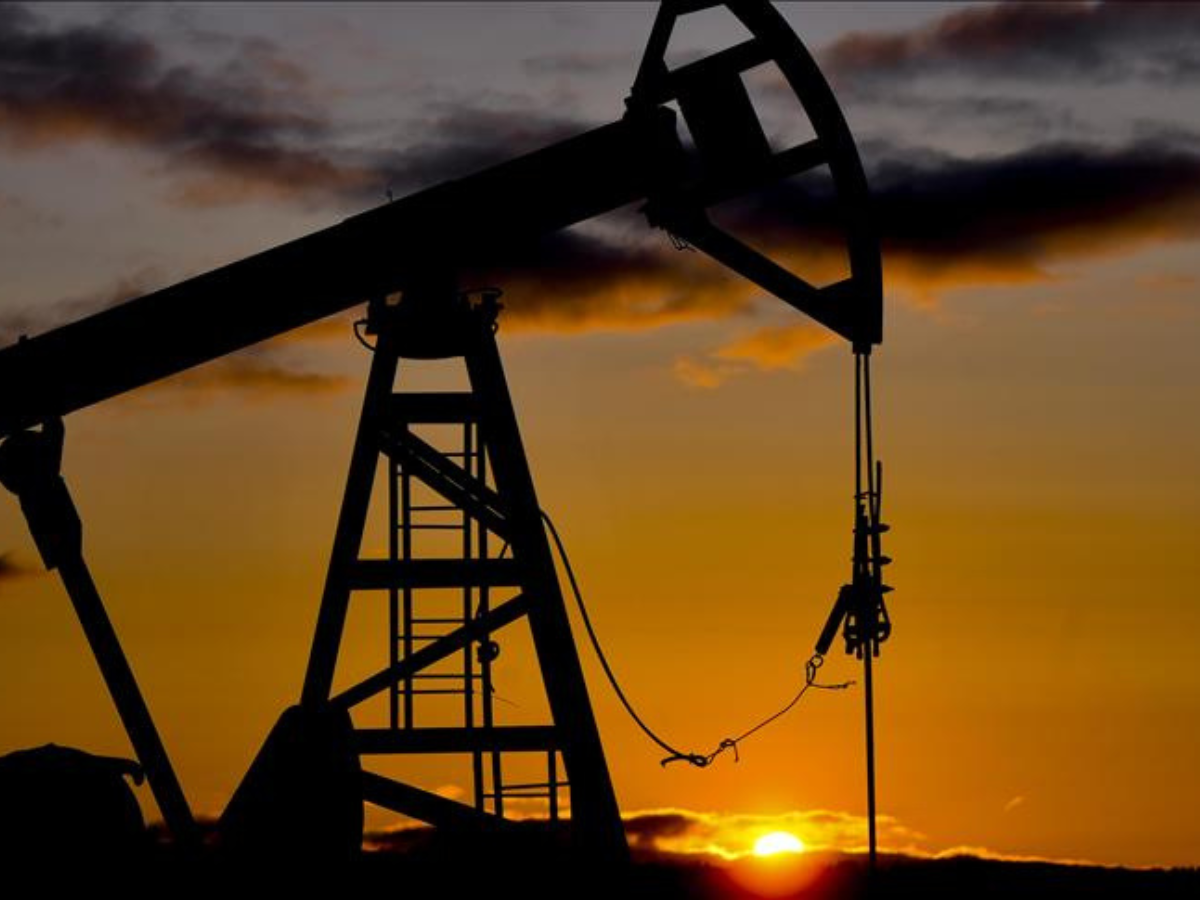
Oil prices fell sharply after OPEC+ countries declared a gradual increase in production for August. The group consists of eight core members, agreed to raise output. Due to the increase in supply the prices went down. The decision, therefore, has raised concerns of oversupply at a time when global demand may weaken due to new U.S. tariffs for the nations.
Market Reactions and Economic Signals
This move comes amid unpredictability in oil markets determined by recent geopolitical tensions, including the Israel-Iran conflict and Russia- Ukraine war. A ceasefire has erased market attention toward supply decisions and trade policy.
The U.S. is set to instrument country-specific tariffs from August 1 now. This will push back a previous deadline of July 9. Analysts advise that this could reduce global trade and oil demand.
Despite the dip in oil price, OPEC+ cited a “steady global economic outlook” and “healthy market fundamentals” as reasons for the supply increase. Saudi Arabia also raised the official selling price of its main crude grade for Asian buyers, signifying assurance in regional demand.
Implications for the Global Economy
Lower oil prices could lower energy costs for businesses and consumers, potentially easing inflationary pressures in importing countries. However, some of the oil-exporting nations may face revenue shortfalls.
As summer demand typically lights off, analysts highlight potential downside risks to prices, especially if trade tensions escalate.
Ankur Mishra is a journalist who covers an extensive range of news, from business, stock markets, IPOs to geopolitics, world affairs, international crises, and general news. With over a decade of experience in the business domain, Ankur has been associated with some of the reputed media brands. Through a sharp eye on global marketplaces along with deep insights and analysis of business strategies, Ankur brings simplicity to the complex economic matrix to decode market trends and empower people.
He is committed to entrenched data, facts, research, solutions, and a dedication to value-based journalism. He has covered trade tariff wars, international alliances, corporate policies, government initiatives, regulatory developments, along with micro- and macroeconomic shifts impacting global fiscal dynamics.
Iran says the US and Israel struck targets near the Bushehr Nuclear Power Plant, raising…
Police are investigating whether five spent cartridges found at Ashok Kharat’s farmhouse were linked to…
Gujarat’s proposed Uniform Civil Code Bill makes it compulsory for all live-in couples to register…
