Qatar LNG Shutdown Sparks Energy Shock: Gas Prices Soar 50% Amid US–Israel–Iran War
LNG Shockwave: Qatar Shutdown Sends Gas Markets Into Overdrive
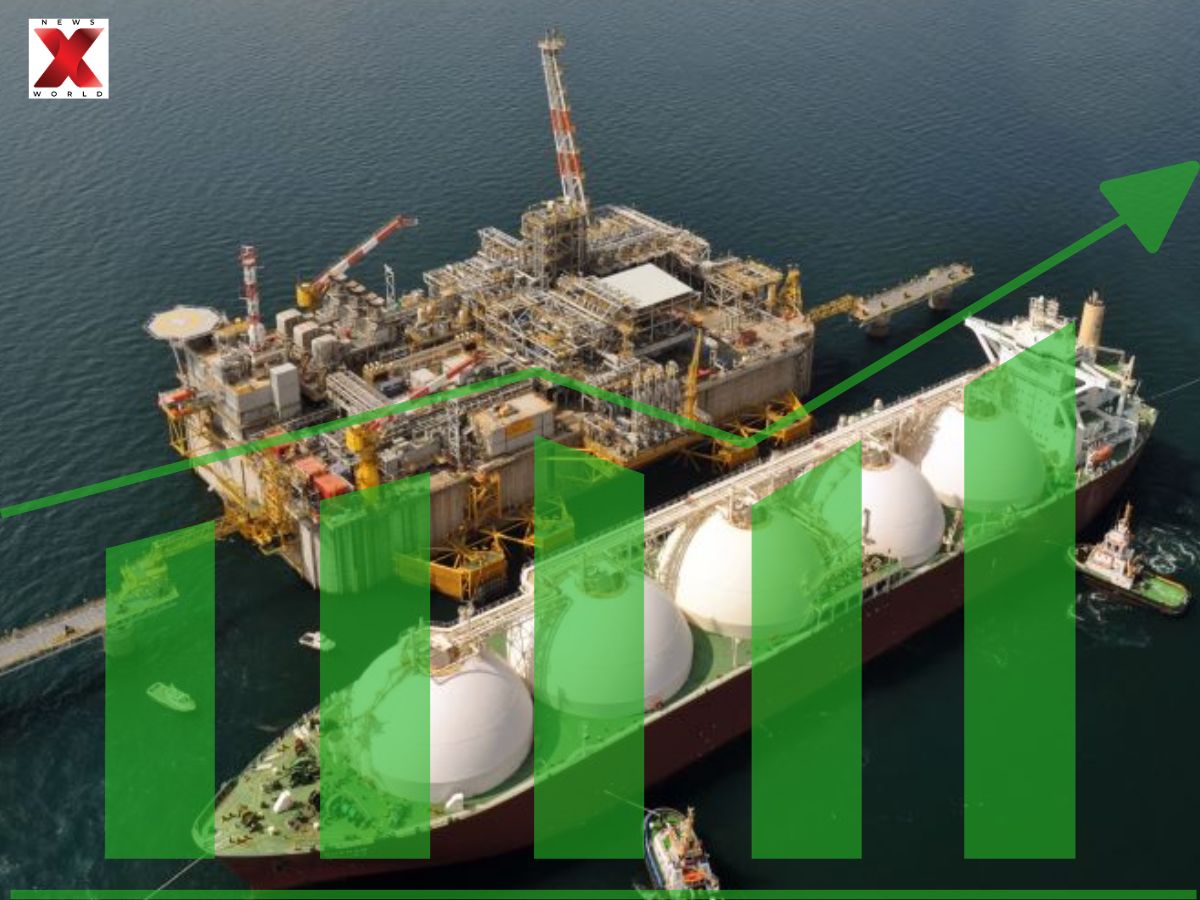
The sudden interruption of liquefied natural gas operations at Qatar’s primary export terminal, which followed the reported Iranian drone attack, created shockwaves throughout international energy markets. The Ras Laffan Industrial City disruption originated from various factors, which affected multiple global supply chains, but traders needed to start assessing their risks again.
European gas prices increased more than 50% after traders worked to estimate potential supply shortages within two hours. The sudden interruption at one of the world’s most essential LNG facilities has increased concerns about energy shortages and higher electricity costs, which will affect both the power sector and industrial operations.
The development indicates that countries are experiencing an important geopolitical transformation. Energy routes have evolved from their previous role as economic lifelines to become modern strategic control points. The market situation has entered a new phase because escalating tensions have created supply uncertainty, which affects market operations.
The global energy sector has received a clear message that Gulf countries must start participating in energy markets because their decisions will impact international price changes, policy development, and global power relationships.
The Strait of Hormuz functions as the primary global energy route, carrying almost 20 percent of worldwide LNG shipments. Tankers are creating security problems because they now operate at reduced speeds while navigating different routes, which makes their movements suspicious to observers.
Dutch front-month gas futures- the European benchmark- soared in response to the confirmed halt in Qatar’s Ras Laffan LNG production, which sent shockwaves across global energy markets. The disruption creates real-world effects that extend beyond digital displays because it generates increased electricity costs, industrial cost increases, and competition for limited LNG resources.
Maritime insurers currently reduce their war-risk coverage, which creates more difficulties for shipping operations that need to transport goods through the Gulf. The energy market exists beyond normal trading activities since it demonstrates how small geopolitical conflicts in the Gulf region can produce major price increases throughout global markets. Every tanker delay now causes financial impacts that extend from Amsterdam to Tokyo.
The present diplomatic situation in West Asia requires active mediation between Iran and Western parties, which Oman is currently performing. United Nations Secretary-General Antonio Guterres urged world leaders to act responsibly and de-escalate immediately, warning of global energy shocks.
Indian Prime Minister Narendra Modi called key Gulf leaders to show restraint while he emphasized the necessity to protect energy supplies that sustain millions of people in his country. The leaders of today face a twofold challenge because they must manage both increasing LNG prices and worldwide observation of their postponed tankers.
(With Inputs From Reuters)
Aishwarya is a journalism graduate with over three years of experience thriving in the buzzing corporate media world. She’s got a knack for decoding business news, tracking the twists and turns of the stock market, covering the masala of the entertainment world, and sometimes her stories come with just the right sprinkle of political commentary. She has worked with several organizations, interned at ZEE and gained professional skills at TV9 and News24, And now is learning and writing at NewsX, she’s no stranger to the newsroom hustle. Her storytelling style is fast-paced, creative, and perfectly tailored to connect with both the platform and its audience. Moto: Approaching every story from the reader’s point of view, backing up her insights with solid facts.
Always bold with her opinions, she also never misses the chance to weave in expert voices, keeping things balanced and insightful. In short, Aishwarya brings a fresh, sharp, and fact-driven voice to every story she touches.
Tensions escalate in the Middle East as Israel launches airstrikes on Tehran and Iran threatens…
Stock Market: Wall Street dips sharply as Middle East tensions escalate following US–Israel strikes on…
Qatar shot down two Iranian Su-24 jets, signaling a shift in aerial dynamics. Drone strikes…
