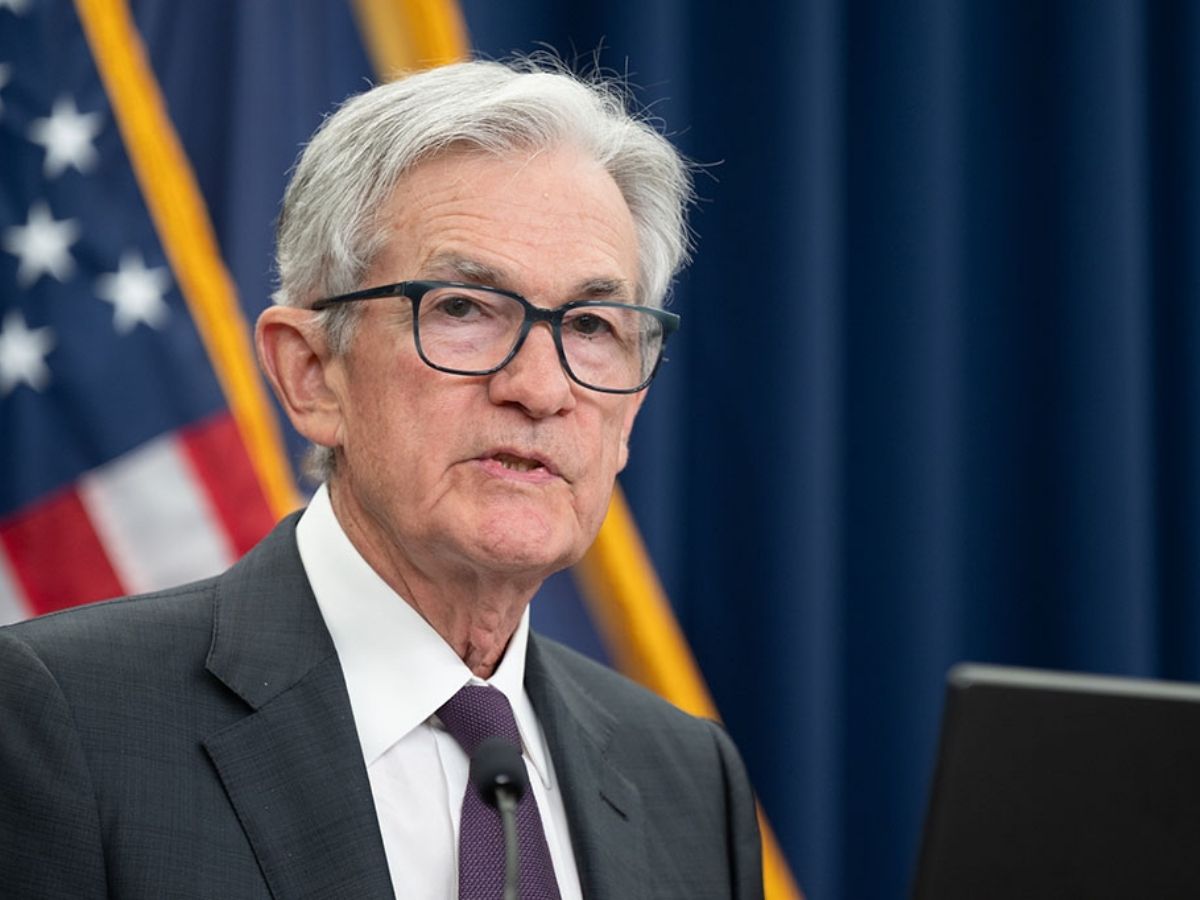
US inflation held steady at 2.7% in July as lower gas and food prices offset tariff pressures, leaving policymakers in a tricky spot. (Photo: X)
The US consumer price index remained unchanged month-on-month in July as price increases from tariffs were balanced by lower gasoline and food costs, The Associated Press reported on Tuesday. According to the report, year-on-year, overall inflation was 2.7%, steady from the previous month and up from a post-pandemic low of 2.3% in April slightly above the Federal Reserve’s two percent target.
Core inflation, which excludes food and energy, rose to 3.1% up from 2.9% in June.
Inflation cooling at the pump and food prices helped counterbalance tariff-related pressures, though rising costs in certain imported goods were unmistakable, the report said, adding that many firms are absorbing much of the duty costs.
The figures were released amid softer job gains this spring: stalling hiring has markets betting on a possible Federal Reserve interest rate cut. Yet core inflation exceeding two percent may push the Fed to delay rate relief.
On a monthly basis, overall prices inched up 0.2%, down from June’s 0.3%, while core prices ticked 0.3%, a bit higher than the 0.2% from June.
Gas prices dropped 2.2% in July, down nearly 9.5% from a year earlier. Grocery prices edged down by 0.1%, though still 2.2% higher year-on-year. Meanwhile, restaurant meals continued to soar – both monthly (0.3%) and annually (3.9%).
In contrast, imported goods remain costly: shoe prices rose 1.4% in July, furniture increased 0.9%, and clothing edged up 0.1%.
Boston College economist Brian Bethune told the news agency that US tariffs estimated at 10% of total imports are the highest in decades and likely to keep inflationary pressure simmering.
“Those cost increases will be passed on to the consumer in some way, shape, or form,” Bethune reportedly said, warning of “shrinkflation” and reduced hiring due to squeezed corporate margins.
Inflation data collection by the Bureau of Labor Statistics (BLS) is being stretched thin due to a hiring freeze, with UBS estimating about 18% fewer price quotes in recent months. UBS economist Alan Detmeister predicts that while reports may become more volatile, averages will remain reliable.
Continuous rain in Delhi-NCR clears air, bringing AQI down to 137. IMD extends the yellow…
ABC has canceled The Bachelorette Season 22 after graphic footage of Taylor Frankie Paul assaulting…
A three-alarm fire ravaged a Midwood commercial building on Avenue H, spreading through six connected…
