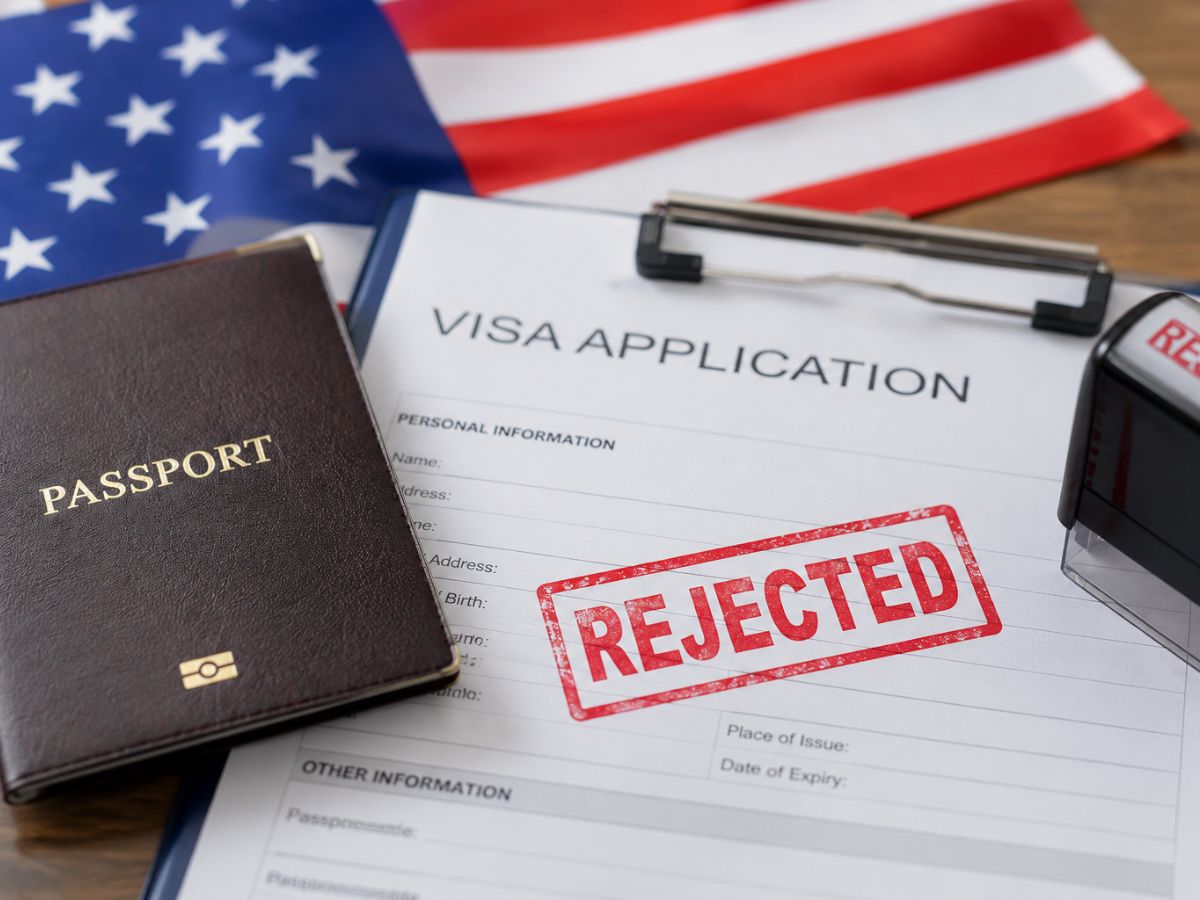
US Visa (Photo: AI-Generated)
India’s student visa rejection rate increased to 61 per cent in 2025 from 53 percent which is among the highest rates of US visa rejections in recent history. Education consultants and universities are concerned about what this means for international student flows to the United States. According to reports, Indian students saw a 53 percent visa rejection rate in 2024, which saw a further increase this year. India is not the only country facing higher visa rejection rates. Nepal, Bangladesh and Pakistan are also among the countries seeing the most increase in student visa rejections. The trend comes amid increased cursory vetting of students and new liberalisation steps to digital background checks by US authorities.
The rise in US student visa rejections is attributed to increased strictness in visa policy and increased tests on applicants, experts say.
According to reports, the United States has liberalised its thoroughness for F, J and M category visas, which include academic, vocational and exchange programmes. This means a closer look into the social media presence of applicants during the visa process.
They have also stated that visas are now a privilege, rather than a privilege, state US authorities, indicating that the country is tightening the immigration process in general. Education consultants say the reforms have significantly affected the surge in student visa rejections from South Asia and parts of Africa, where the rejection rates had been considerably higher than in other parts of the world.
The difference in student visa rejection rates in India and applicants from European nations has become increasingly stark. The rejection rates of students from European applicants have been reported to range between 4% and 9%, compared to 61% for India.
Additionally, the country with the biggest increase in student visa rejection rates in 2024 & 2025 is Nepal. India’s rejections went up from 59% in 2024 to 61% in 2025. Bangladesh and Pakistan also saw an increase in student visa rejections this year.
Reports indicate that while visa rejection rates have varied during various US administrations, they are on an overall tightening trend for the past decade. The redlines were short-lived with small dip in the early part of the post-Biden administration years. The tightening trajectory was picked up after, which has been inconsistent since.
The tightening is due to long-term changes on immigration and border policies rather than a temporary change, per the analysts. The digitisation and profiling of the applications has also become a key aspect in the contemporary visa selection process.
Education experts and international universities have flagged high rejection rates as a concern for the US’s ability to attract international talent. Nearly 30 per cent of foreign student enrolments in the United States are Indian students. They form one of the largest groups of international students studying abroad in the United States. They contribute significantly to research, technological developments, innovation and the pipeline of skilled employees for the United States.
There are fears that tightening the visa-issuing process may lead to talent shortages in the future in the US in sectors reliant on a highly skilled graduate workforce. There are concerns that study destinations such as Canada, the United Kingdom and Australia as well as parts of Europe could benefit from changing patterns of student enrolments if entrance barriers for the United States grow.
Increasing rejection rates in US visas may make Indian students more careful in applying for programmes in the United States. Students are advised to keep updated records, avoid information gaps being exposed during visa interviews, etc. while applying. Education advisers are suggesting seeking alternate study destinations ahead at present, where there are increasing barriers to US education.
Radhika is a journalist with two years of experience covering education, competitive exams, and student-focused developments. She reports on exam notifications, results, admissions, scholarships, and academic policies, helping students stay updated with important information.
Known for her clear and reader-friendly writing, she simplifies complex education updates into accessible stories that guide aspirants, students, and parents. She is also interested in highlighting inspiring student journeys and grassroots education initiatives.
For queries or story tips, you can reach out to her on X (formerly Twitter): https://x.com/Hitkariradz
Which Is The Most Powerful Passport In The World? Check India’s Position In The Latest Global List
Armand Arton, CEO of Arton Capital and co-founder of the Passport Index said that the…
Momentum Peak Trade Brings a More Guided Trading Experience to the Digital Brokerage Market
Momentum Peak Trade is gaining attention in the online brokerage space with a platform designed…
Weather Update Today 19 May 2026: Check India, Bangladesh, Singapore, and US cities weather forecast,…
