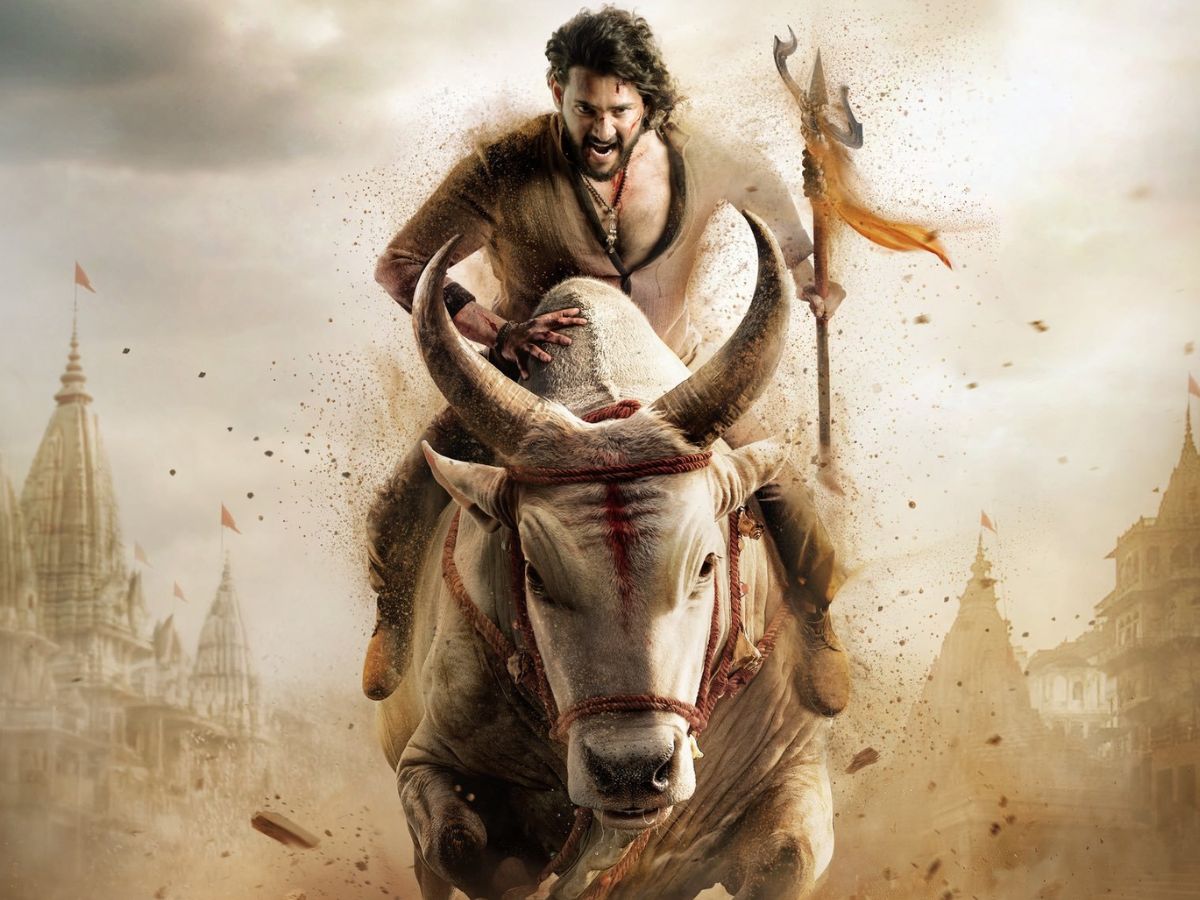
Varanasi: Rajamouli’s Spiritual Cinematic Journey (Pc: X)
The new movie taking place in the lively city of Varanasi is not just going to be a visual delight; it seems to be a spiritual encounter with the city. One of the very few locations on Earth that have been inhabited by humans ever since the beginning of history and which is very closely associated with the cycle of life and death in Hinduism, Varanasi or Kashi as it is popularly known, is such a place.
The main theme of this film will most probably be the lively and colorful atmosphere of the ghats, the intricate ceremonies, and the everlasting link of beliefs and Indian river with the Ganges. The initial snapshots allude to a storyline that blends personal destiny with the legendary past of the city, addressing the matters of salvation, unminding, and the inevitable circuit of life.
The crew, reputedly, has been on the site for an extended duration just to get the right feeling of the city with its winding, narrow streets and the peculiar and captivating characters that inhabit it. The film’s director is sure that the Varanasi’s architecture and culture will not only furnish an extraordinary setting but also be a dynamic force, like a character, in the narrative.
Varanasi’s 88 ghats or steps going down to the river tell the story of the city and the film. The film shows the great contrast between the Manikarnika Ghat, where the dead are cremated non-stop, the skin-deep representation of death and rebirth and the lively, merry Dashashwamedh Ghat, known for the breathtaking evening Ganga Aarti.
This dual focus gives rise to a metaphorical landscape that is very rich. One of the important and factual points that the film takes up is the historical importance of the Kashi Vishwanath Temple, which, although being the main area of pilgrimage, very often is in its deepest sanctuary inaccessible to the general public, thus, the protagonists’ own journeys to invisible truths are mirrored.
The makers of the film point out that the spiritual weight of the river is an unceasing force all the time, at times, even probing the characters’ modern viewpoints with its age-old, ceaselessly relentless rhythm.
The production’s fidelity to originality is claimed to be very high, the main focus being on showing the less known sides of the city like the community of the Doms, who take care of the cremation ceremonies, or the complicated custom of Benarasi silk weaving, which is not only part of the local culture but is also very much involved in the local economy.
Rather than using conventional travel shots, the movie is looking for the hidden courtyards and the local musicians who are not recognized yet, but still, keep the classical Indian tradition alive. The director’s decision to use the local dialect and casting non-professional actors in the supporting roles has further grounded the story in a true reality.
The layer of detail that has been added here makes the movie more than just a simple travelogue, promising a depiction that is both intricate and full of feelings of a city that has always been the end and the beginning.
A recent media graduate, Bhumi Vashisht is currently making a significant contribution as a committed content writer. She brings new ideas to the media sector and is an expert at creating strategic content and captivating tales, having working in the field from past four months.
T20 World Cup 2026 Final Ceremony: From Ricky Martin to Falguni Pathak – Full List of Performers
The ICC Men’s T20 World Cup 2026 Closing ceremony at Narendra Modi Stadium in Ahmedabad…
Tomorrowland Thailand 2026 debuts December 11–13 at Wisdom Valley with six stages, top international DJs,…
TikToker Madhu Raju, known for sharing dance videos on social media, has landed in controversy…
