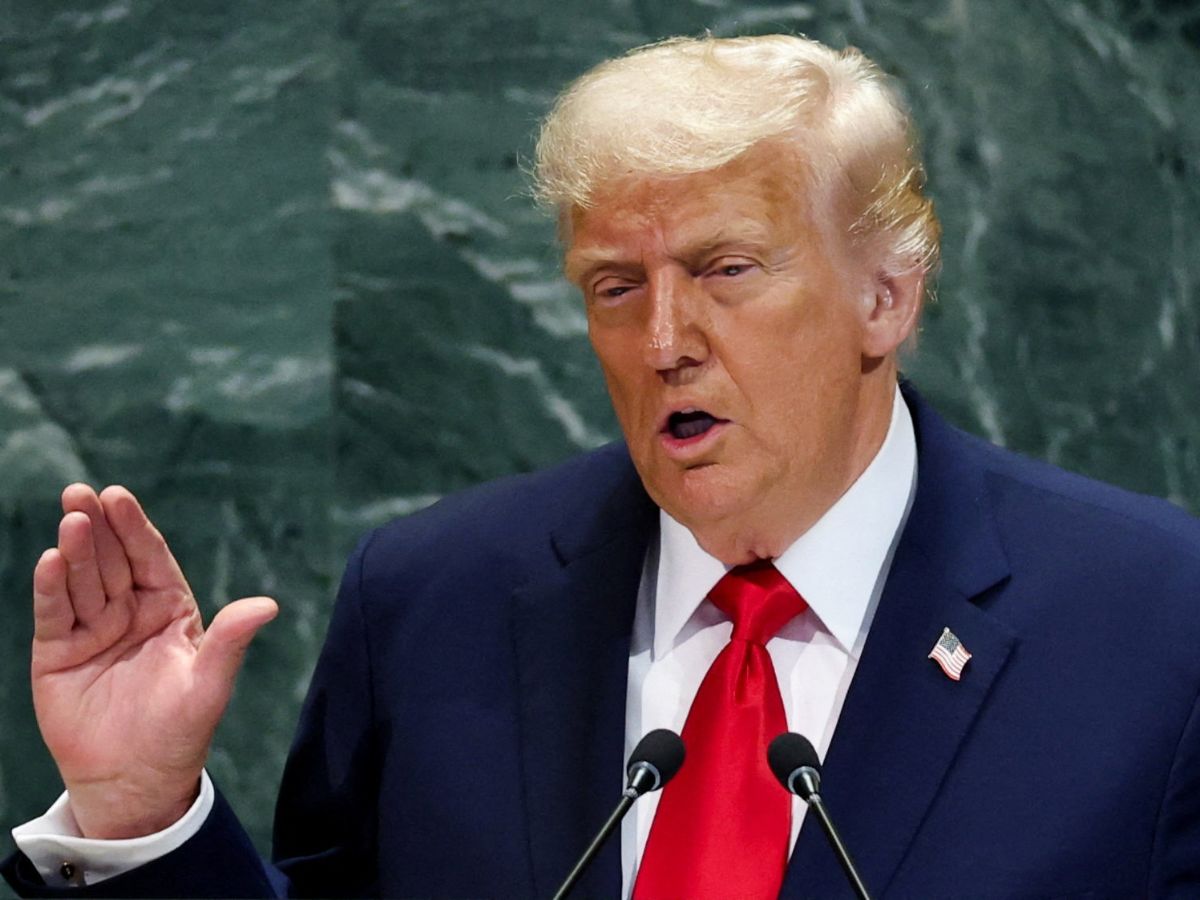
US has expanded social media checks for all H-1B and H-4 visa applicants. (Photo: ANI)
The United States has recently expanded social media and online presence screening for all H-1B and H-4 visa applicants worldwide. The Department of State has termed this move a part of its standard visa-vetting process aimed at addressing misuse of the H-1B program while ensuring that US companies can continue to hire highly skilled foreign workers.
According to a global alert issued by the Department of State, the enhanced checks will now apply to applicants of all nationalities seeking H-1B and H-4 visas. Previously, such online presence reviews were applied selectively.
The Department clarified that this vetting process is being conducted globally for all applicants, including spouses and dependent children applying under the H-4 category.
Applicants are now required to declare their social media identifiers on the DS-160 visa application form. Consular officers may review their online activity during the adjudication process.
The US authorities have also indicated that applicants might be asked to keep their social media profiles publicly accessible. Any inconsistencies, omissions, or misrepresentation could negatively impact visa decisions.
Indian professionals constitute over 70% of H-1B visa holders. With the expansion of social media checks, many Indians who traveled back home to renew their work permits have found themselves stranded due to rescheduled visa appointments.
US consulates in India have delayed or canceled interviews to accommodate the enhanced screening measures, leading to prolonged wait times for visa issuance.
Reports indicate that hundreds of Indian H-1B visa holders who returned in December for permit renewal are awaiting new interview dates, some scheduled months later.
The expanded social media vetting aims to ensure that applicants do not pose a national security risk, but it has inadvertently disrupted travel and work plans for many professionals.
The US Embassy in India has urged applicants to submit their visa applications as early as possible due to expected delays. While US missions continue to accept and process H-1B and H-4 applications, applicants should anticipate additional scrutiny and processing times.
The embassy has issued a reminder for applicants whose interviews have been rescheduled. Arriving at the originally scheduled date will result in denial of entry to the consulate.
Applicants should instead wait for the newly assigned dates to ensure smooth processing.
It is important to note that the enhanced social media screening applies specifically to visa stamping and interviews at US embassies and consulates. This process does not affect H-1B petition approvals handled by USCIS within the United States. Consequently, even applicants with approved petitions may face delays at the visa issuance stage due to these new checks.
The US has recently intensified scrutiny of non-immigrant visa holders, particularly under the administration of Donald Trump, with several visa categories facing longer processing times and additional background checks. Visa programs like H-1B, F-1, and J-1 have been especially impacted.
While the H-1B visa program has historically enabled highly skilled foreign professionals to work and live in the US, it has faced pushback amid broader efforts to tighten immigration policies.
The recent social media and online presence checks are part of a series of measures designed to prevent misuse of the program.
The US Embassy in India emphasized that the enhanced vetting is intended to allow companies to continue hiring “the best of the best” temporary foreign workers, while also addressing potential abuse. Applicants are advised to:
Apply for H-1B and H-4 visas as early as possible.
Ensure their social media profiles are accurate and publicly accessible if required.
Be prepared for additional processing times and potential delays.
Comply with all instructions for rescheduled interview dates to avoid being denied entry.
The expansion of social media checks for H-1B and H-4 visa applicants marks a significant change in the US visa process. While it aims to enhance security and prevent misuse, it has also led to disruptions for Indian professionals relying on timely visa issuance to continue their work in the US.
Indian applicants must now factor in longer processing times and follow all consular instructions closely to navigate the new vetting process successfully.
The recent policy underscores the need for careful compliance with visa requirements, especially for social media disclosures, and reflects the ongoing shift toward stricter immigration controls in the United States.
Sofia Babu Chacko is a journalist with over five years of experience covering Indian politics, crime, human rights, gender issues, and stories about marginalized communities. She believes that every voice matters, and journalism has a vital role to play in amplifying those voices. Sofia is committed to creating impact and shedding light on stories that truly matter. Beyond her work in the newsroom, she is also a music enthusiast who enjoys singing.
The police investigation includes determining the couple's relationship status and their past history of conflicts.…
Tariff on India Scrapped: Trump Signs Order Lifting 25% Penalty Tariff Over Russian Oil Purchases
Trump removes 25% tariff on India, boosting India-US trade, energy exports, and defense cooperation; Russian…
A viral video shows Amity University students slapping, punching, and pulling each other’s hair in…
