Representative Image
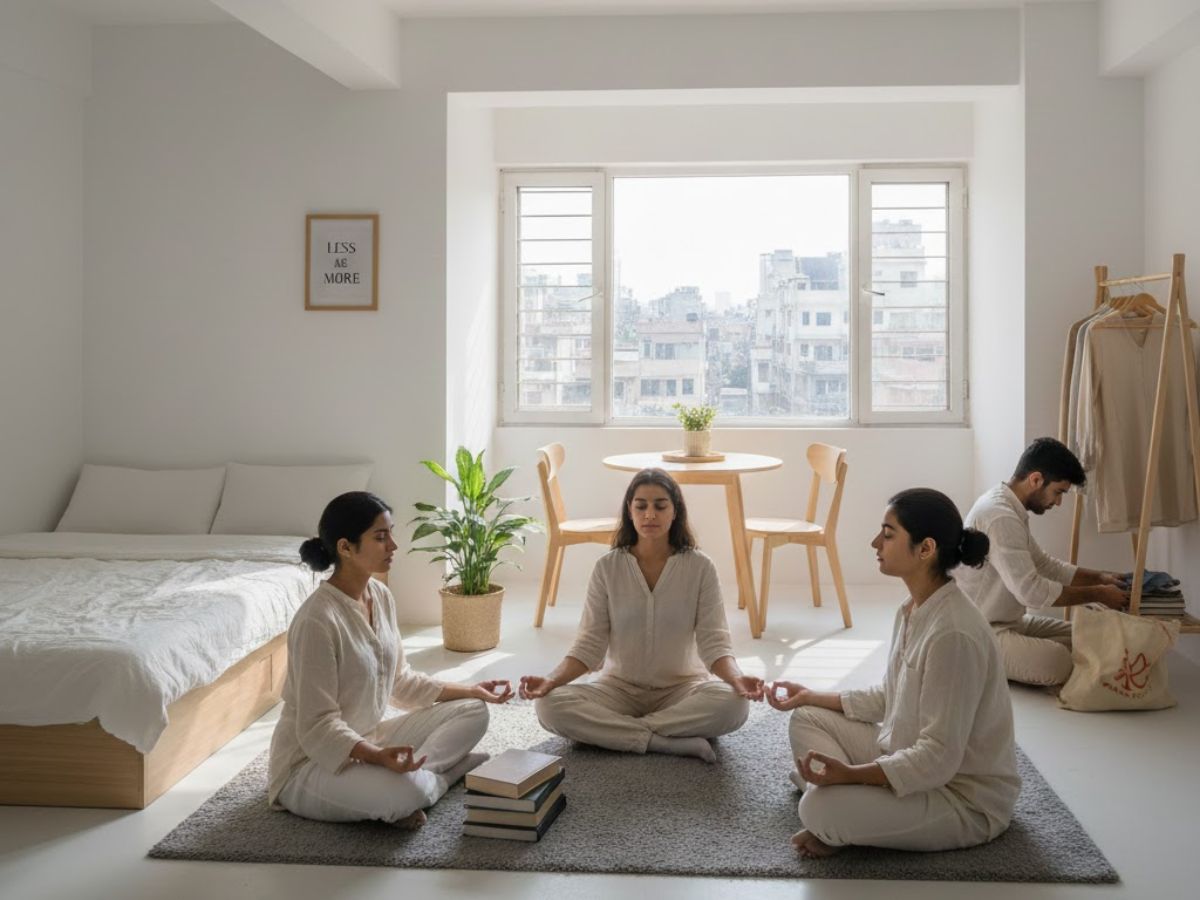
Minimalism, while silently, has been a reason for the change in the lives of the young Indians, their habits, and aspirations, which is more so mainly because of the era of information overload and high consumerism. The pandemic came as a turning point for many in urban India, as it compelled them to take a hard look at their homes, lifestyles, and even their minds and mental states. While remote work blurred the lines between personal and professional lives, and at the same time, expenses went up, the young ones started to ask themselves what really is the source of their happiness. Minimalism, though it used to be regarded as a trend of the Western lifestyle, is now being accepted as a way to have less stress, gain financial stability and have more mental space.
The trend is more than evident in the growing popularity of decluttering challenges, capsule wardrobes, and small space living content on both Instagram and YouTube. Young Indians are coming to the realization that ‘less’ often means more freedom, more time, and more purpose. The movement is also very much associated with the changing economic and cultural norms. A lot of millennials and Gen Z people are turning their backs on the cycle of endless purchasing due to the extremely high urban rents and the increasing prices of consumer goods. They in return, are adopting the philosophy of ‘experiences over things’ travelling light, committing money to hobbies, or walking the digital first career path that does not link them to any physical assets. The gig economy has further sped up this transition, where young people are more and more choosing free living, co working, and co living spaces that are adaptive to their constant movement.
Besides, minimalism is in sync with the sustainability consciousness of India which is on the rise. The ‘reuse and recycle’ habit that has been a part of Indian households for generations is now being seen in a modern light through thrift shops, eco friendly fashion brands, and living a zero waste life. So, minimalist lifestyle not only helps the youth in India to cut down on their expenses but also, at the same time, gives them the privilege of living more responsibly in the world that is dealing with climate change. At the most profound level, minimalism is changing the perspectives of young Indians regarding identity, ambition, and happiness. A great number of them are starting to renounce the traditional signs of success large houses, luxury gadgets, hectic schedules and opting for a more subdued and less extravagant approach to ambition. Digital burnout has caused the young to yearn for the more leisurely and attentive lifestyle, and minimalism is the practical way to make that transition.
By picking fewer obligations, reducing digital interference, and nurturing more significant relationships, the young generation in India is setting its own standards for success. This change in culture is not about deprivation but rather a way of living with intention: holding onto what is important and discarding everything else. In a country that is changing quickly and where opportunities and pressures exist side by side, minimalism has turned into a silent protest, a protest that gives the power to the young Indians to bring about space, clarity, and direction in their daily lives.
Also Read: Wake Up Richer, Want To Think Like A Billionaire? Start With These 7 Morning Habits
Let the wisdom of tarot help you prepare, stay mindful, and make the most of…
Who Was Stephanie Buttermore? Fitness YouTuber And Jeff Nippard’s Fiancee Dies At 36
Although the information about her death is limited, the work of Stephanie Buttermore in terms…
The war has been felt all around the world, as the US President Donald Trump…
