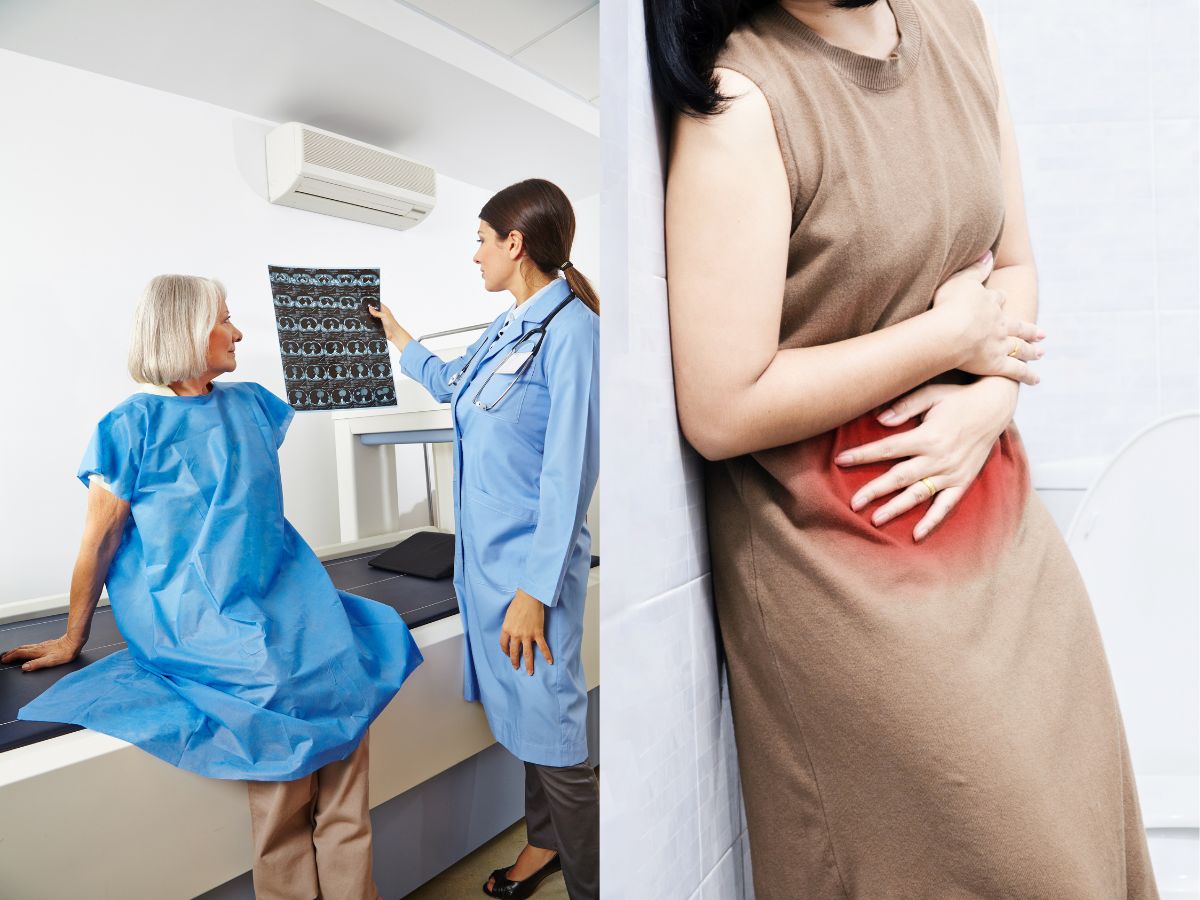
Postmenopausal bleeding is any vaginal bleeding that happens one or more years after a woman’s last menstrual cycle. Although it is concerning, not all of it is serious. Still, it’s worth having it investigated, as it might point to underlying health problems.
Is Postmenopausal Bleeding Normal?
No, it is not normal. Even spotting that is mild after menopause needs to be brought up with a physician. While many of the causes are harmless, it is important to eliminate more dangerous possibilities.
Common Causes of Postmenopausal Bleeding
There are a few common causes of postmenopausal bleeding:
– Vaginal or endometrial atrophy: The tissues can become thin, fragile, and bleed with low estrogen levels.
– Polyps: Noncancerous growths of the uterus or cervix.
– Hormone Replacement Therapy (HRT): Estrogen therapy can lead to light bleeding.
– Endometrial hyperplasia: Thickening of the lining of the uterus (may be due to excess estrogen).
– Cancer: Rarely, postmenopausal bleeding could indicate uterine or cervical cancer.
When Should You Be Concerned?
You want to check with a health care provider when you experience the following signs of bleeding:
– Any amount of bleeding (even spotting)
– Bleeding after sexual activity
– Any pelvic discomfort or cramping
Early identification is important, especially cause is cancer or precancerous.
How is It Diagnosed?
Doctors may do a pelvic exam, ultrasound, and endometrial biopsy to evaluate the cause. Sometimes hysteroscopy may be used to visualize the inside of the uterus.
Postmenopausal bleeding should never be ignored, even if it is caused by a minor ailment. Issues that can cause serious health risks can be easily diagnosed, and diagnosis in a timely fashion can prevent further serious issues. It is important to check with a doctor if you are having unusual postmenopausal bleeding.
Disclaimer- This article is for informational purposes only and should not be considered medical advice. Always consult a qualified healthcare provider if you experience any bleeding after menopause or have concerns about your reproductive health.
Shubhi is a seasoned content writer with 6 years of experience in digital media. Specializing in news, lifestyle, health, sports, space, optical illusions, and trending topics, she crafts engaging, SEO-friendly content that informs and captivates readers. Passionate about storytelling, Shubhi blends accuracy with creativity to deliver impactful articles across diverse domains.
Vinesh Phogat has revealed she is one of the six wrestlers who accused Brij Bhushan…
The PSL 2026 final sees Babar Azam-led Peshawar Zalmi take on Hyderabad Kingsmen in a…
Pinarayi Vijayan vs V D Satheesan: Kerala is one of the states which will see…
