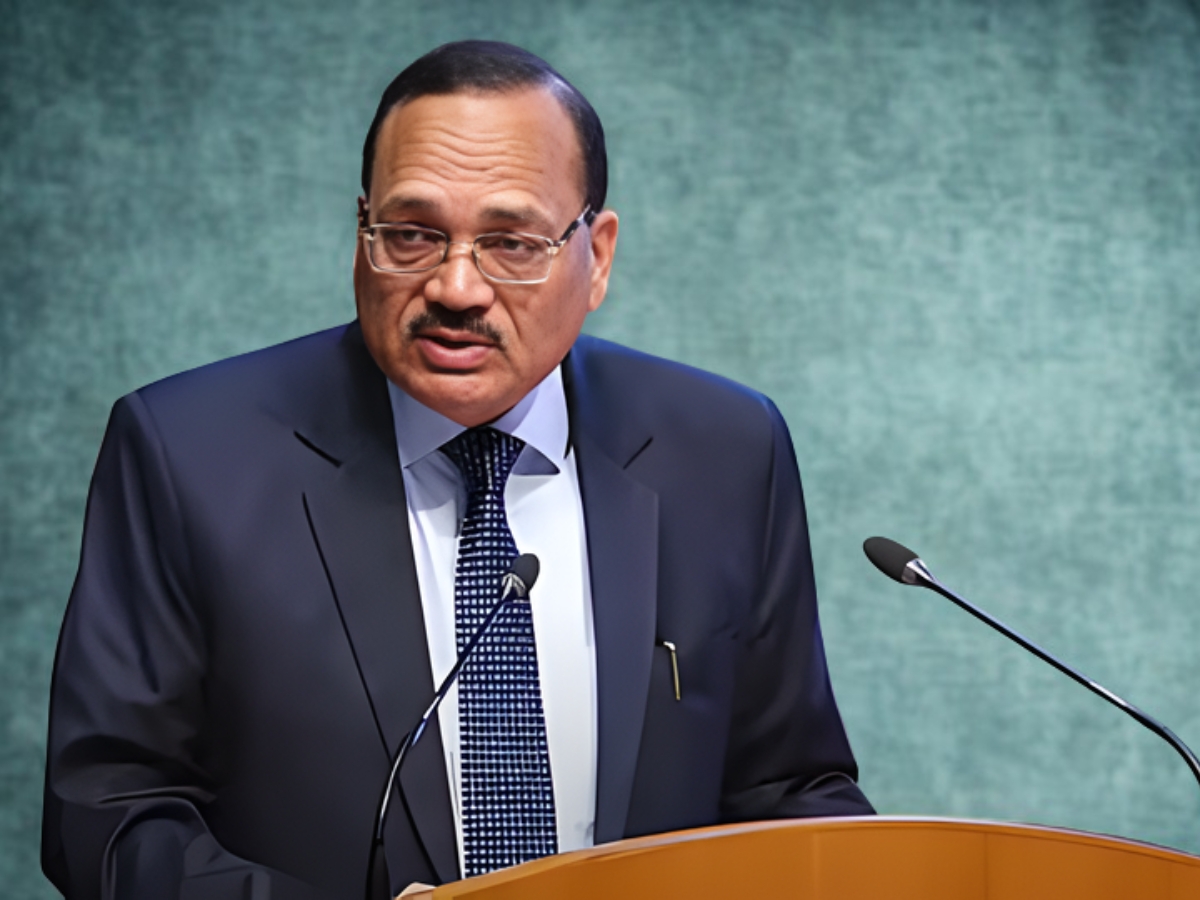
CJI Justice Surya Kant (Photo Credit: X)
Seventy-one former officers of the All India and Central Services have written an open letter to Chief Justice of India Surya Kant, condemning his remarks at a recent hearing to the effect that environmental litigants should be discouraged from voicing their concerns over environmental and public health implications of projects. The issue was raised in an open letter by the constitutional conduct group, following a Supreme Court hearing on an appeal against National Green Tribunal (NGT) order dated Nov. 26, 2025, in the case of expansion of Pipavav Port in Gujarat.
The dispute was over remarks by CJI during the hearing against an order of National Green Tribunal (NGT), upholding the environmental and Coastal Regulation Zone clearances granted to a Pipavav Port expansion project.
CJI was heard asking whether there has ever been a project that environmentalists would have supported, thereby questioning the hesitance of environmentalists towards development projects.
The remark was not a part of a judicial order, but it was widely discussed, eliciting responses from environmentalists and retired officers alike.
In their letter, the signatories argued that such observations from the country’s top judicial office could lead to an environment where the public might feel reticent to challenge projects that may affect ecosystems, local communities or public health.
They went on to say that public participation and citizen-driven environmental challenges are vital components of a healthy democracy and should not be treated negatively. The letter goes on to say that such criticism could deter people and community groups from going to court over conservation and sustainable development issues.
The letter has been signed by a range of well-known former civil servants and public officials, including former Delhi Lieutenant Governor Najeeb Jung, former Union Environment Secretary Meena Gupta, former diplomat K. Raghunath, social activist Harsh Mander and former Punjab Director General of Police Julio Ribeiro.
The retired officers said that such challenges were originally an important democratic instrument which have over the years helped foster conservation efforts throughout the country.
In their arguments, the retired officers referred to a number of landmark environmental movements that have led the way in forging public policy and raising public awareness of conservation in India.
Kerala’s Silent Valley movement, Uttarakhand’s Chipko movement, Karnataka’s Appiko movement and the Narmada Bachao Andolan.
The campaign, the former officials said, showed how citizen action can strengthen environmental protection and ensure accountability in governance.
The letter also called into question the efficiency of government-appointed environmental appraisal and oversight bodies.
The ex-officers contended that there is a need for tougher scrutiny and greater independence from the environmental governance apparatus. They invoked previous cases where environmental clearances were found lacking in expert assessment and recommendation and later ended up being overturned or amended by courts.
The letter’s signatories contended that environmental clearance authorities routinely gave very high approval rates, questioning whether environmental safeguards were truly being applied at the first instance.
The former officers cited approval trends from different regulatory bodies to argue that environmental appraisal committees granted clearance to an overwhelming majority of the proposals they were presented with.
The letter also cited approvals for diversions of forest land for infrastructural and industrial development as well as environmental clearance committee decisions over the last ten years. The former officers contended that such approvals raised concerns about the intensity of environmental safeguards being applied at the first instance.
At the end of the letter, the signatories exhorted the Chief Justice and Supreme Court to acknowledge public interest environmental litigation as a public good rather than a brake on development.
The signatories urged the judiciary to remain responsive to the concerns of common citizens and communities who come to courts with environmental issues and emphasized the need to strike a balance between economic development and ecological conservation. The group said it trusts that the Supreme Court would promote citizen participation in environmental issues and inspire confidence in the democratic institutions that protect India’s natural resources
ALSO READ: Delhi Gymkhana Club Land Dispute: Why the Government Wants the Premises Vacated by June 5
Advanced Micro Devices CEO Lisa Su said the AI infrastructure market is rapidly growing, with…
Will MS Dhoni return for IPL 2027? Former India teammate Zaheer Khan and spinner Murali…
Israeli Army Orders Evacuation Of 10 Southern Lebanon Towns Ahead Of Airstrikes
The Israeli army has released immediate orders for evacuation in 10 different towns in the…
