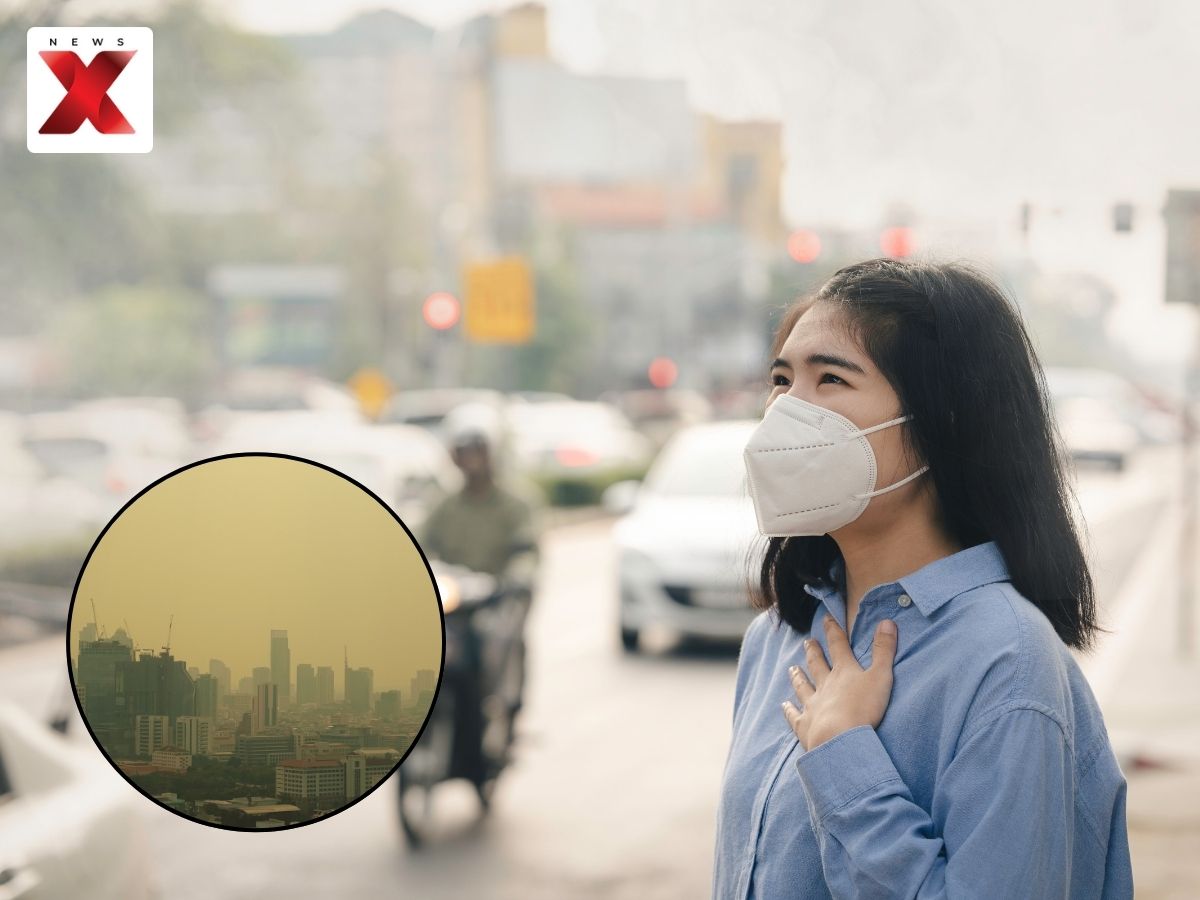
credits- canva modified
GRAP Stage 3: The Commission for Air Quality Management (CAQM) re-imposed Stage 3 restrictions of the Graded Response Action Plan (GRAP) throughout the entire National Capital Region (NCR) as the air quality dropped rapidly from ‘very poor’ to ‘severe’. The Air Quality Index (AQI) in Delhi reached up to 600 in some places due to the weather being stagnant, low wind, and emissions from vehicles and industries rising. This decision was made after a temporary lifting earlier in January when the AQI was around 236, but the recent spikes made it imperative to act instantly.
The pollutants were held close to the ground by calm winds, which were made worse by winter inversion, car exhaust, and burning of biomass. The AQI readings indicated places like ITI Shahdra had 385-451, and without intervention, the forecasts predict the situation will persist.
CAQM calls for strict enforcement, dust control, and public compliance in order to avoid escalation to Stage 4. Agencies monitor every day using CPCB data, and if the AQI falls below 400, there is a possibility of revocation. Residents in Greater Noida and NCR are advised to minimize outdoor activities and to wear masks.
Shubhi is a seasoned content writer with 6 years of experience in digital media. Specializing in news, lifestyle, health, sports, space, optical illusions, and trending topics, she crafts engaging, SEO-friendly content that informs and captivates readers. Passionate about storytelling, Shubhi blends accuracy with creativity to deliver impactful articles across diverse domains.
Loud Bang Heard in Dubai Amid Gulf Strikes and Retaliation; Tension Escalates, Details Awaited
Residents of Dubai reported hearing a loud explosion after witnesses at the scene observed blasts.…
An Iranian plane caught fire at Bushehr airport after coordinated US-Israeli strikes targeted military sites…
Apple launches MacBook Air M5, India price ₹1,19,900+, AI performance, Wi-Fi 7, Liquid Retina display,…
