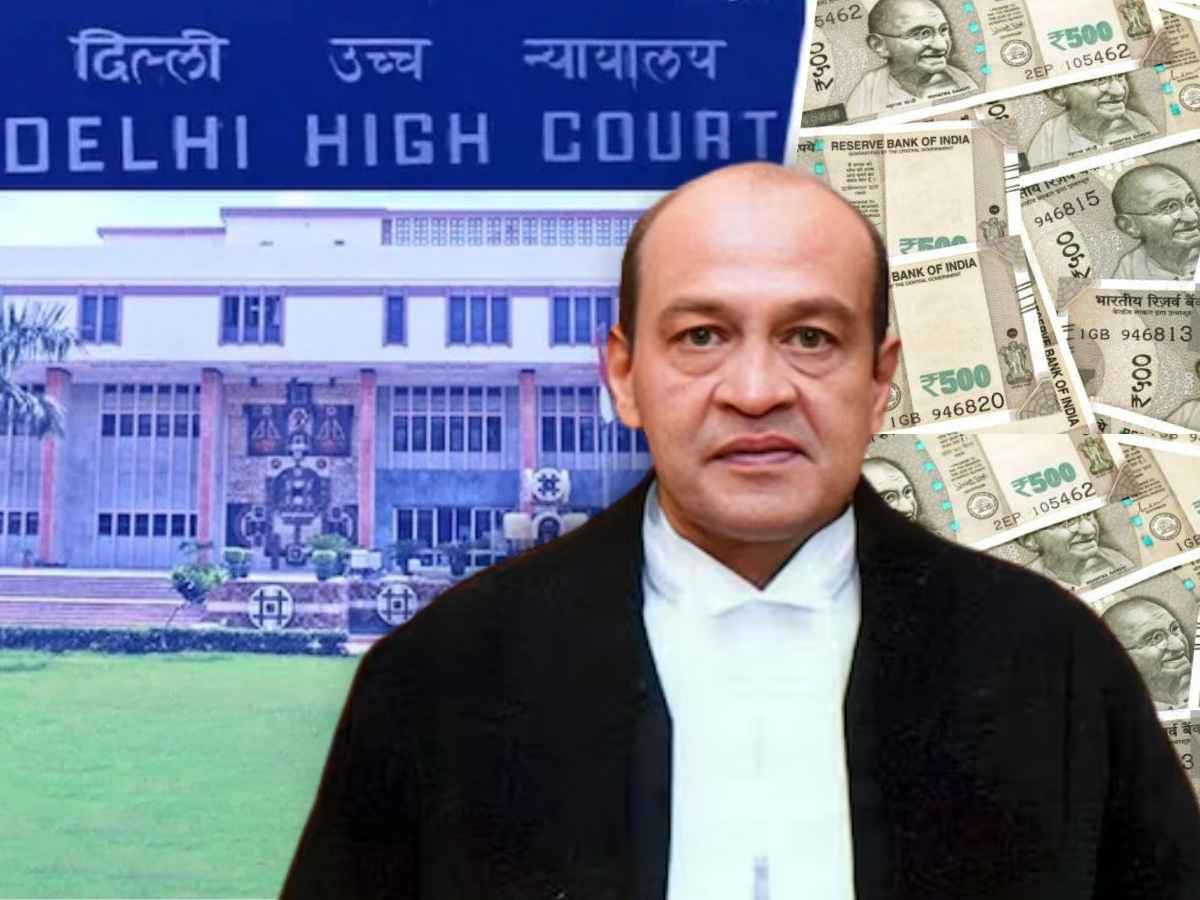
The recommendation by the three-judge panel to initiate impeachment proceedings marks a significant and rare event in Indian judicial history. Impeaching a judge of a High Court or Supreme Court is a constitutionally outlined process under Article 124(4) and Article 217, and the road ahead is both politically sensitive and legally complex.
Now that the committee has concluded its inquiry and submitted a detailed 64-page report, the Chief Justice of India (CJI) is expected to forward it to the President of India. This step has already been triggered, as per the details revealed in the original investigation. The CJI’s letter, dated March 22, 2025, originally triggered the committee’s formation. With the findings now confirmed, the President’s role becomes crucial.
Once the President receives the committee’s report, they can refer the matter to Parliament for action. The President acts based on the advice of the Council of Ministers, led by the Prime Minister, in such cases. If the executive concurs with the recommendation, the process of impeachment is moved forward to Parliament.
For impeachment to be formally initiated, either 100 Lok Sabha members or 50 Rajya Sabha members must sign a motion requesting the removal of the judge. This motion must be submitted to the Speaker of the Lok Sabha or the Chairman of the Rajya Sabha, depending on where it is initiated.
Once admitted, an inquiry committee may again be formed under the Judges (Inquiry) Act, 1968. However, given that an existing judicial committee has already submitted an exhaustive report, Parliament may use the current findings as a basis for action.
If the inquiry confirms the findings and the motion is accepted, the House where it was introduced will debate and vote. To proceed, a two-thirds majority of members present and voting must support the motion in both Houses.
If passed by both Houses, the President may then order the judge’s removal from office.
If the impeachment process against Justice Yashwant Varma proceeds, it would be one of the very few such cases in Indian judicial history. So far, only one judge Justice Soumitra Sen of the Calcutta High Court has resigned after the Rajya Sabha passed an impeachment motion in 2011.
The Varma case, however, is more complex due to the presence of digital evidence, witness testimony from public servants, and direct accusations of misconduct related to public trust.
Parliament will now face pressure to act decisively. The integrity of the judiciary is at stake, and any delay or indecision could raise further public distrust in judicial accountability.
So far, Justice Yashwant Varma has refused to resign or seek voluntary retirement. Transferred back to the Allahabad High Court after the incident, he has not been allotted any judicial work, signaling an unofficial sidelining.
In his 101-page response to the inquiry, Varma denied all allegations, calling the process “fundamentally unjust”, and claimed a “conspiracy” was behind the burnt currency found in his residence. Despite these claims, the panel noted that Varma neither filed a police complaint nor contacted the Chief Justice to support his conspiracy theory—points that further weakened his defense.
If Varma continues to resist resignation, the impeachment route remains the only constitutionally valid recourse.
Beyond the specifics of the Varma case, this controversy puts a spotlight on the standards of probity and transparency expected of India’s higher judiciary. The committee’s report invoked the 1997 Restatement of Judicial Values adopted by the Supreme Court, stressing that public trust is the foundation of judicial authority.
The report’s conclusion that Justice Varma betrayed that trust has now triggered a crisis of institutional confidence. How Parliament, the President, and the judiciary respond in the coming weeks will have a lasting impact on judicial accountability in India.
So far, no criminal charges have been filed against Justice Varma or his personal staff despite clear findings of “removal of evidence” and “suspicious conduct.” However, the panel’s report leaves room for possible criminal investigation, especially in relation to:
Suspected destruction of evidence
Unexplained possession of large sums of cash
Involvement of personal staff in tampering or removal of material
This will depend on how Parliament and law enforcement agencies interpret the findings.
Justice Yashwant Varma’s case is more than a scandal it is a constitutional test for India’s judiciary, Parliament, and executive. What happens next will decide whether existing systems can hold the powerful accountable, even when they belong to the judiciary itself.
As political leaders, MPs, and legal institutions prepare for the next phase, all eyes are now on Parliament—and on Justice Varma’s next move.
ALSO READ:
Dharma Productions announces Chand Mera Dil, starring Ananya Panday and Lakshya, releasing May 22, 2026.…
ZoarSoar Enters the Wellness Market with a Clear Mission of Pure Organic Nutrition
ZoarSoar is a new organic nutrition brand with a simple belief: Indian families deserve the…
Jasprit Bumrah is all set to play for Mumbai Indians in their first match of…
