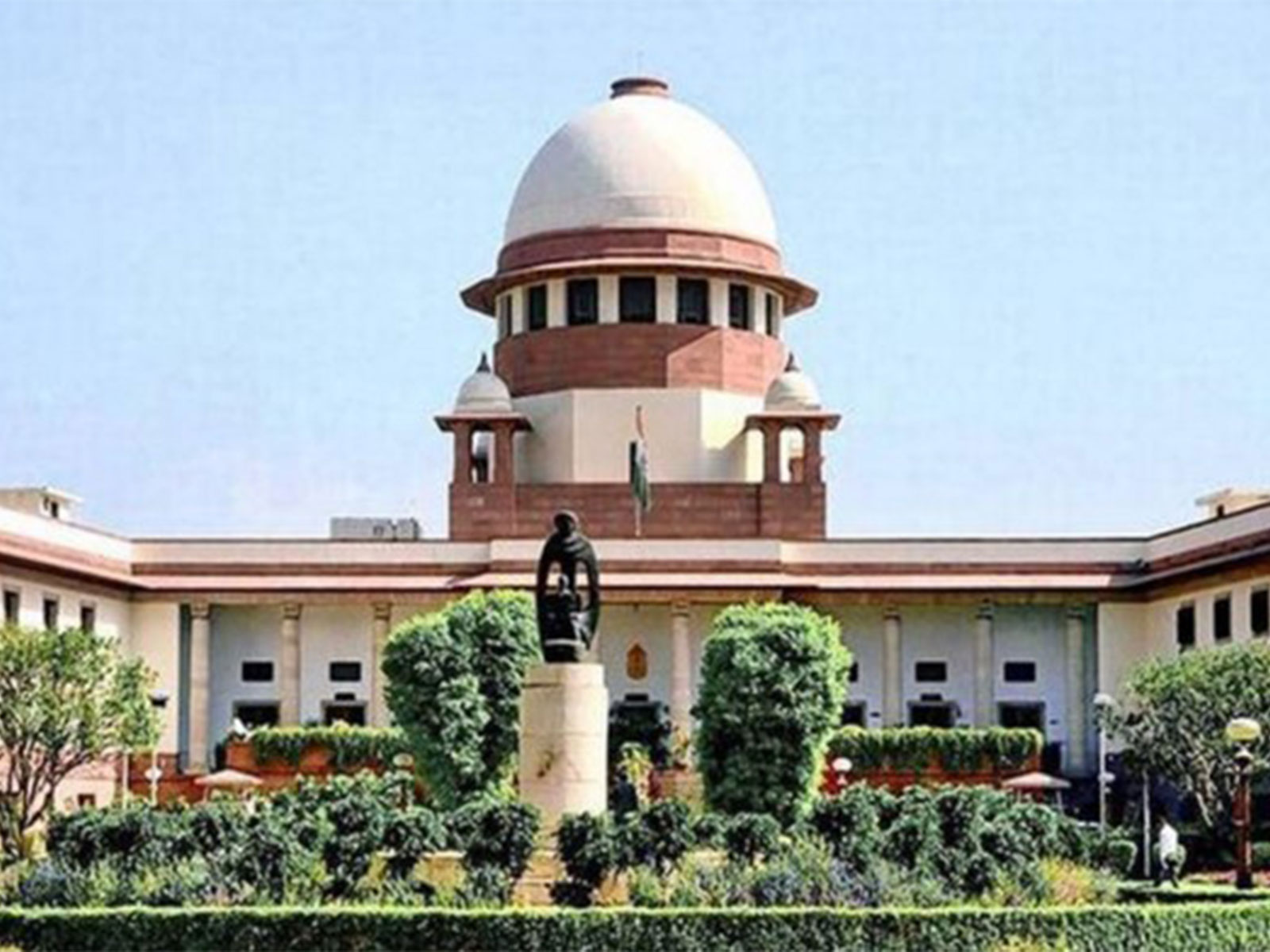
Supreme Court's remark on reservation (Image: X)
The Supreme Court on Friday made significant observations on the issue of Reservation while hearing a matter related to creamy layer benefits among backward classes. Questioning the continued demand for quota benefits by families that have already achieved educational and economic advancement, the court asked, “If both parents are IAS officers, why seek reservation?” The bench said that reservations were meant to help socially and educationally backward communities move ahead, but once families become empowered through education and stable government jobs, there has to be a discussion on whether the next generation should continue receiving the same benefits. The court’s remarks have once again triggered debate over Reservation, social mobility and the creamy layer system in India.
Reports say that during the hearing, the bench stressed that educational and economic progress naturally leads to social mobility. “With educational and economic empowerment, there is social mobility. So then again to seek reservation for the children, we will never get out of it. That is a matter we have to concern also,” the court observed.
The judges pointed out that several government orders already exclude advanced sections from Reservation benefits, but those exclusions are now being legally challenged. “Social mobility is there. Now there are Government orders excluding all these people, and they are questioning the exclusion. This also has to be kept in mind,” the bench remarked.
According to reports, Justice Nagarathna made strong observations during the proceedings and questioned why children of parents with stable, high-paying government jobs still seek reservation benefits. “The parents of students are in good jobs, getting good income, and the children want reservation again. See, they should get out of reservation,” Justice Nagarathna observed during the hearing.
The court further said there must be some balance once families have already benefitted from the reservation and reached a certain social and educational level. “There has to be some balance. Socially and educationally backward, yes, but once the parents have attained a level because of taking advantage of reservation…” the judge observed.
The bench also discussed the distinction between the reservation provided to Economically Weaker Sections (EWS) and the reservation granted to socially backward communities. “For EWS there is no social backwardness but only economic backwardness,” Justice Nagarathna said, explaining that the basis of EWS Reservation is different from caste-based backwardness, as per reports.
The Supreme Court eventually issued notice in the plea and sought responses from the concerned parties. The observations made during the hearing are likely to intensify discussions around Reservation policy, creamy layer rules and whether quota benefits should continue for families that have already achieved social and economic advancement through the system.
Also Read: Aggressive Delhi Dogs To Be Killed? Supreme Court’s Euthanasia Order For Strays Explained
Khalid Qasid is a media enthusiast with a strong interest in documentary filmmaking. He holds a Master’s degree in Convergent Journalism from AJK MCRC. He has also written extensively on esports at Sportsdunia. Currently, he covers world and general news at NewsX Digital.
A rare albino buffalo in Bangladesh, nicknamed “Donald Trump” for its flowing blond hair, has…
The Cockroach Janta Party’s Instagram handle has crossed 20 million followers within a week. Claims…
New Honda City 2026 Facelift: Price In India, Variants, Mileage & Hybrid Engine Details
Honda has launched the 2026 Honda City facelift in India with a refreshed design, new…
