
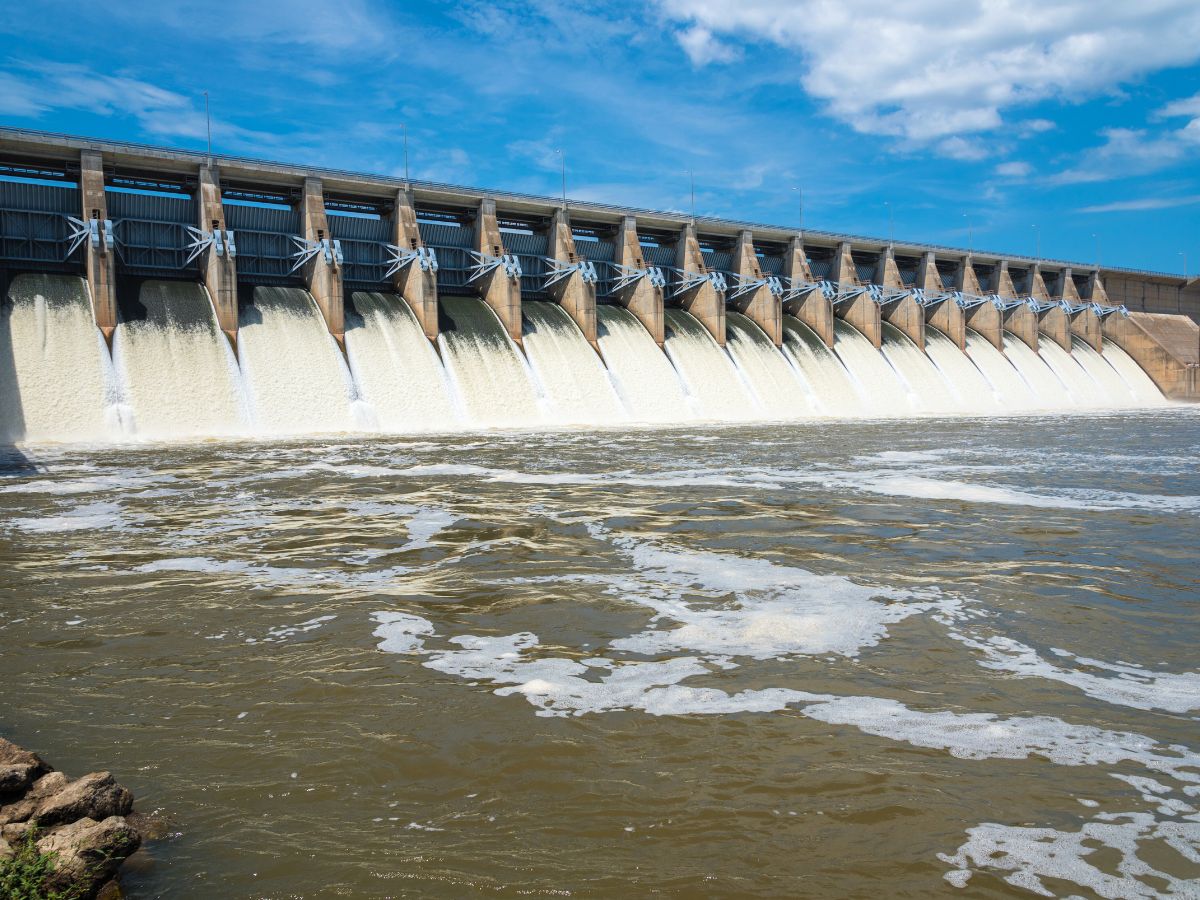

China has officially confirmed the commencement of a massive hydropower project on the lower Yarlung Tsangpo River in Tibet, sparking fresh concerns over environmental and geopolitical impacts.
Located in Medog County, a region known for its fragile geology and rich biodiversity, the project could affect the river’s flow downstream, posing potential risks to water security for millions of people in India and Bangladesh who rely on the Brahmaputra.
Environmentalists and regional experts have warned that such large-scale infrastructure could lead to ecological disruption, increased landslide risks, and heightened tensions along the sensitive India-China border.
Analysts warn that large-scale hydropower development in such a volatile zone could significantly alter river flow patterns and increase disaster risks. Environmental experts have highlighted that the river cuts through one of the world’s deepest gorges, making the region especially vulnerable to landslides and earthquakes.
Critics fear that the dam could disrupt delicate ecosystems while threatening the livelihoods of downstream communities dependent on the river for agriculture and drinking water.
Tibetan environmentalists and rights advocates have also raised longstanding concerns over the absence of transparency in infrastructure projects across Tibet. Residents are rarely consulted, and environmental impact assessments are typically withheld from public scrutiny.
This lack of accountability, observers argue, reflects China’s broader governance approach in Tibet, where strategic priorities often override local and ecological considerations, as highlighted by Phayul.
Beyond environmental implications, some analysts see the project as carrying potential geopolitical weight. Control over the upper reaches of a transboundary river could, experts stated, provide China with strategic leverage during periods of regional tension, particularly with downstream neighbours.
Critics further note that Xi’s New Year message reinforced key elements of Beijing’s current policy direction: a hardline posture on Taiwan, continued consolidation of control over Tibet through large infrastructure projects, and a carefully crafted narrative of economic resilience and national strength, as reported by Phayul.
(With ANI Inputs)
ALSO READ: Iran’s Supreme Leader Khamenei Issues BIG Warning To Protesters, Says Rioters Must Be ‘Put In…’
Sofia Babu Chacko is a journalist with over five years of experience covering Indian politics, crime, human rights, gender issues, and stories about marginalized communities. She believes that every voice matters, and journalism has a vital role to play in amplifying those voices. Sofia is committed to creating impact and shedding light on stories that truly matter. Beyond her work in the newsroom, she is also a music enthusiast who enjoys singing.




