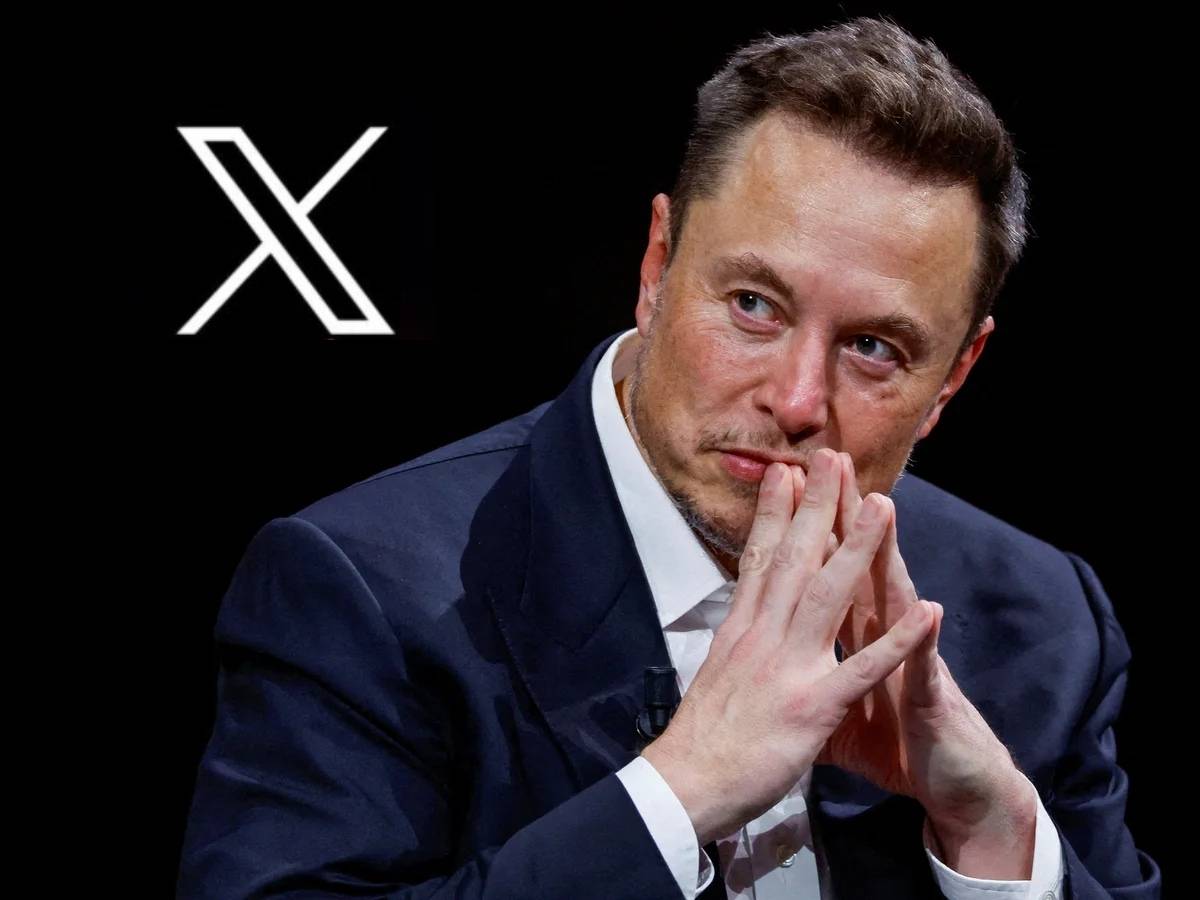
Elon Musk’s social media company X Corp has filed a federal lawsuit challenging a New York state law that requires social media platforms to disclose how they moderate hate speech, disinformation, racism, and online harassment. The company argues that the law violates the First Amendment and attempts to interfere in editorial decisions.
Filed in Manhattan federal court, the complaint seeks to block enforcement of the law, known as New York Senate Bill 895B, or the Stop Hiding Hate Act. X Corp, formerly Twitter, claims the law forces platforms to reveal sensitive and internal details about content moderation policies, effectively pressuring them to restrict constitutionally protected speech.
“Today, @X filed a First Amendment lawsuit against a New York law, NY S895B,” the company’s Global Government Affairs team posted on Tuesday, highlighting that X had successfully challenged a similar law in California last year.
The post added, “X is the only platform fighting for its users by challenging the law, and we are confident we will prevail in this case as well.”
According to the lawsuit, New York’s legislation mimics provisions from the California law that was struck down in court. X says New York’s law is essentially “a carbon copy” of California’s invalidated legislation, making it equally unconstitutional.
Under the New York law, social media platforms with annual revenues exceeding $100 million must submit semiannual public reports. These reports are to detail how platforms define and moderate content related to hate speech, extremism, racism, disinformation, and harassment.
Failure to comply could result in fines of $15,000 per day, with the penalties enforceable by the state attorney general’s office.
X Corp’s legal team argues that this is an “impermissible attempt” by the state to interfere with how platforms decide what content to host or remove a decision protected under free speech rights. They claim the law tries to control viewpoint expression by compelling disclosure and potentially influencing moderation decisions.
The lawsuit also claims that New York lawmakers refused to make any revisions to the bill even after the California ruling. According to the complaint, the sponsors declined to meet with X representatives and cited “content promoted by Elon Musk” as one of the reasons, claiming it “threatens the foundations of our democracy.”
X argues this reflects a viewpoint-biased motive, suggesting the law was passed not just to protect users but also to target platforms that allow speech lawmakers disapprove of.
In response to the lawsuit, Senator Brad Hoylman-Sigal and Assembly member Grace Lee, who introduced the Stop Hiding Hate Act, stated that the law does not infringe on First Amendment rights and is fully compliant with federal regulations.
“The Stop Hiding Hate Act requires narrowly-tailored disclosures by social media companies to allow consumers to better decide which platforms they wish to use,” their joint statement read.
They also criticized Musk’s actions, saying, “The fact that Elon Musk would go to these lengths to avoid disclosing straightforward information to New Yorkers as required by our statute illustrates exactly why we need the law.”
This legal battle marks the second time Elon Musk’s X has gone to court over similar laws. The company had earlier successfully challenged a California state law with nearly identical provisions, and it was struck down for violating constitutional protections on speech.
X is hoping for a similar outcome in New York, stating that it is the only platform currently fighting such regulation, framing the lawsuit as part of a broader campaign to defend free expression online.
This lawsuit has once again raised a national debate around how much transparency is required from tech companies and whether such laws violate free speech by compelling platforms to speak or disclose editorial policies.
As the case proceeds, the outcome could significantly impact content moderation laws not just in New York, but potentially influence similar legislation in other states.
The court’s ruling will determine whether platforms like X can operate with full editorial freedom or whether state governments can demand greater transparency and accountability in how online speech is managed.
Laxman Sivaramakrishnan announced his retirement from BCCI commentary, alleging a lack of opportunities and colour…
Australia PM Anthony Albanese heckled at Eid prayers in Sydney mosque, protesters shout “Get out!”…
Al-Aqsa Mosque in Jerusalem was closed during the final days of Ramzan, blocking Eid prayers…
