
More Checks, More Scans: What the New US Border Rules Mean for Travelers and Green Card Holders
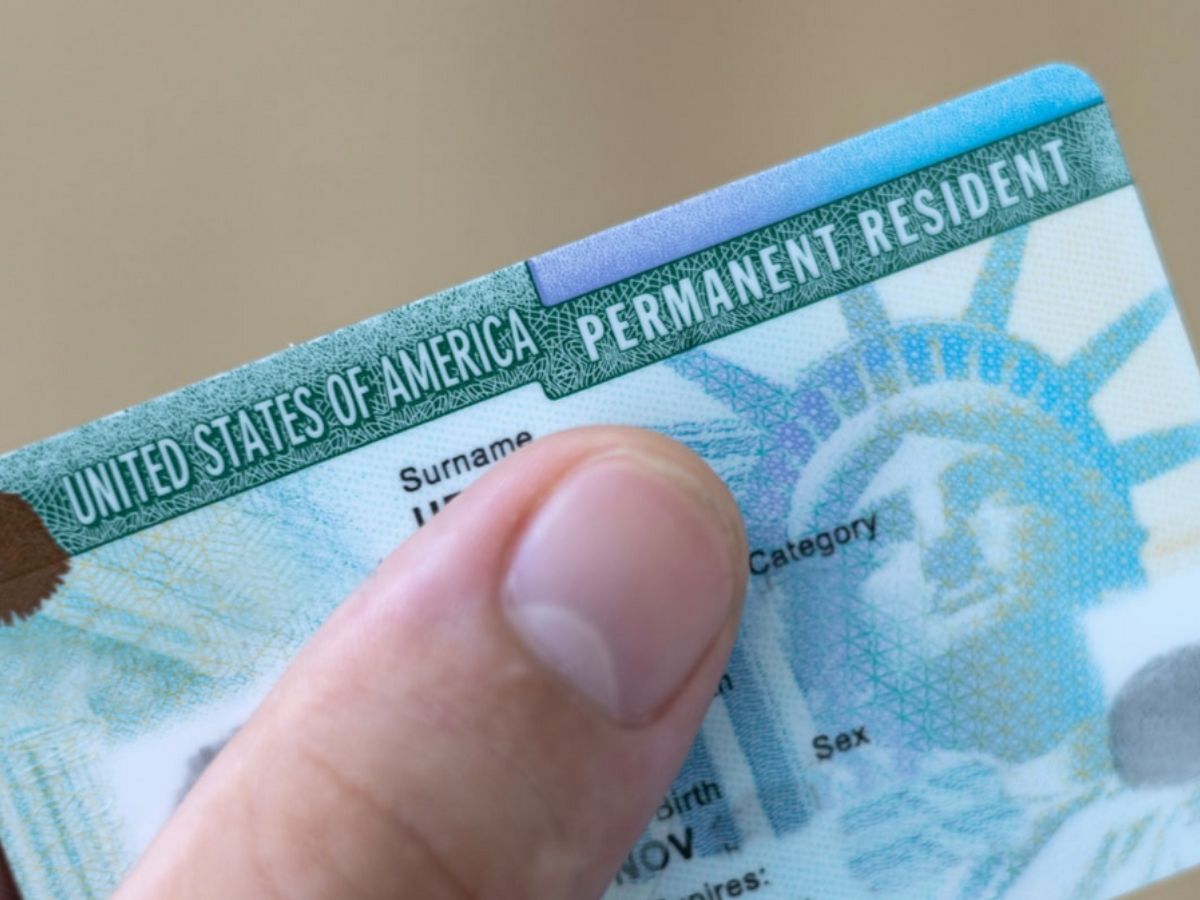
The United States has just made a major change to its travel and immigration policy, and non-citizens, including Green Card holders, are already experiencing the consequences. From December 26, 2025, crossing US borders will come with stricter checks and a larger biometric footprint. You can already guess there will be many more photographs, fingerprints, and thorough inspections every time you travel. For some green-card holders, particularly those from countries under watch, the process will not be as simple as just taking a trip but may feel more like an interview. The message is loud and clear: borders are becoming smarter, tighter, and more alert.
So, if you are travelling, keep your documents close, because the welcome mat now comes with a scanner.
What The New US Biometric Rules Mean For Travellers
-
Biometric Checks Nationwide:
US Customs and Border Protection will now collect biometric data from every non-US citizen at all entry and exit points, including airports, land borders, seaports, and authorised exits.You Might Be Interested In -
Mandatory Photos at Every Crossing:
Facial photographs, once limited to pilot locations, will now be taken at every entry and exit across the country. -
No More Age or Diplomatic Exemptions:
Children, senior citizens, diplomats, and most Canadian visitors will no longer be exempt from biometric screening. -
All Modes of Travel Covered:
The programme now applies to private aircraft, sea routes, vehicle crossings, and pedestrian exits, not just airports. -
Beyond Facial Recognition:
CBP officers may also collect fingerprints and iris scans, verified through the Traveller Verification Service linked to travel documents. -
Older Applications Back Under Review:
Immigration authorities can re-examine green-card and visa applications filed as early as 2021, including approved cases.Related Post -
Expect Longer Border Processes:
Travellers should be prepared for more detailed questioning, document checks, and possible delays for pending or future applications.
What About US Citizens?
It is voluntary, not mandatory for US citizens. The new biometric policies do not require the use of facial scans or the collection of biometric data from American passport holders. That said, citizens are still able to participate in the facial biometrics programme on a voluntary basis, in most cases, it makes the process of entering or leaving an airport much faster. Prefer to keep it old-school? At any point, you have the option to opt out by informing a CBP officer or an airline employee and have a traditional manual passport check instead. Simply put, the scanner is not mandatory, but it can be used if you want to take the faster lines. You should consider it a decision between high-tech convenience and traditional border control, your passport, your call.
Travel Restrictions And Paused Applications For Certain Countries
-
Applications Paused:
On December 2, 2025, USCIS announced a pause on reviewing green card, citizenship, and asylum applications from immigrants belonging to 19 countries previously under travel restrictions. -
Travel Ban Effective January 1, 2026:
A new travel ban comes into effect at 12:01 am EST on January 1, 2026, following security concerns. -
Fully Restricted Countries (12):
Afghanistan, Burma, Chad, Republic of the Congo, Equatorial Guinea, Eritrea, Haiti, Iran, Libya, Somalia, Sudan, Yemen -
Partially Restricted Countries (7):
Burundi, Cuba, Laos, Sierra Leone, Togo, Turkmenistan, Venezuela