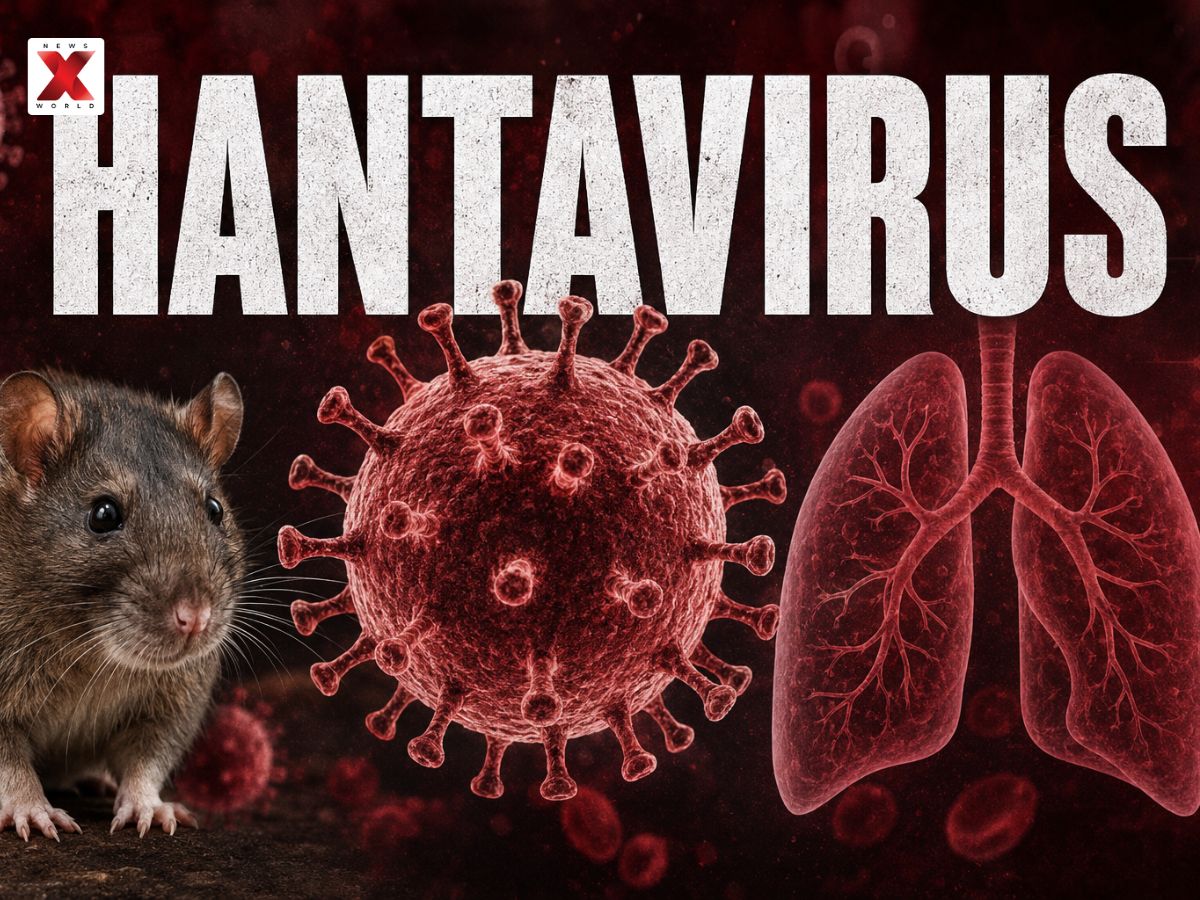
Hantavirus Scare: First Death Confirmed, WHO Tracing 80 Affected Contacts | All We Know. Photo: Ai
The World Health Organization (WHO) announced on Tuesday that it is currently investigating all passengers who used the flight from Saint Helena island to Johannesburg. This investigation follows the death of a cruise ship passenger who tested positive for hantavirus. South African airline Airlink confirmed that there were 82 passengers and six crew members on the April 25 flight which included a Dutch woman whose husband had already died from the virus while on the cruise ship.
The WHO reported that the woman departed the ship at Saint Helena on April 24 because she experienced stomach-related symptoms.
She flew to Johannesburg the next day, but her health became worse during the flight. She died on April 26 after reaching the emergency department of a hospital in Johannesburg.
The World Health Organization said it was trying to contact passengers on April 25 who boarded the flight between Saint Helena and Johannesburg. One of the passengers was sick while travelling in the ship and died the very next day.
“As of 4 May 2026, seven cases (two laboratory confirmed cases of hantavirus and five suspected cases) have been identified, including three deaths, one critically ill patient and three individuals reporting mild symptoms,” the United Nations health agency said in a statement.
WHO said the passenger had left the ship in Saint Helena with “gastrointestinal symptoms” on April 24 and flew the next day and died upon arrival at the emergency department of a Johannesburg hospital on April 26.
It was “characterised by fever, gastrointestinal symptoms, rapid progression to pneumonia, acute respiratory distress syndrome and shock,” it said, adding that “further investigations are ongoing”.
The MV Hondius cruise ship carried passengers who originated from countries such as Britain and Spain and the United States and had crew members from the Philippines. The WHO reported that the ship has 147 people who are currently present on its premises.
The ship’s operating company Oceanwide Expeditions reported that a British passenger who was also travelled in the ship currently requires intensive care treatment at Johannesburg hospital. The medical staff needed to treat two crew members, one who held British nationality and another who held Dutch nationality.
The ship carried three people who had been identified as cases but four infected individuals remained on the board the ship, which included a German passenger who died on Saturday.
Hantaviruses represent a group of viruses which rodents such as mice and rats serve as their primary hosts. The rodents maintain their health but they spread the virus through their urine and droppings and saliva.
The virus enters human bodies when people inhale air that contains viral particles which typically occurs during the process of cleaning or working in areas that rodents have invaded.
The most common way people get infected begins when they breathe in particles that come from disturbed rodent droppings and nesting materials. The direct contact method of infection occurs when people touch surfaces that contain the virus and then make contact with their eyes or nose or mouth.
An infected rodent can transmit the virus through its bite which occurs in very rare cases. The Andes strain of the virus presents an extremely rare method for human-to-human transmission which has only been observed in South America.
A suspected outbreak on a cruise ship has raised concerns about transmission of the virus through close contact between people who were on board the ship.
Humans can become infected with the virus by breathing in contaminated air particles or through bites from infected rodents. The disease, known as Hantavirus Pulmonary Syndrome (HPS) is considered dangerous and has a mortality rate of around 38%.
Hantavirus can cause a kidney disease known as Haemorrhagic Fever with Renal Syndrome (HFRS), which primarily exists in European and Asian territories.
The main symptoms of this condition are fever and headache together with back pain and stomach pain. When the disease becomes severe it can result in kidney failure and internal bleeding.
The severity of the illness depends on the type of virus involved.
The deer mouse serves as the primary host for the Sin Nombre hantavirus which transmits to humans in the western United States.
Deer mice populate all regions of Washington state yet they prefer to inhabit rural areas. The deer mouse grows to a length of six inches from its nose to the end of its tail.
Rodents most commonly transmit hantavirus through their droppings and urine and saliva. Although deer mice represent the most prevalent carriers of the virus other mouse and rat species also show susceptibility to infection.
Manisha Chauhan is a passionate journalist with 3 years of experience in the media industry, covering everything from trending entertainment buzz and celebrity spotlights to thought-provoking book reviews and practical health tips. Known for blending fresh perspectives with reader-friendly writing, she creates content that informs, entertains, and inspires. When she’s not chasing the next viral story, you’ll find her diving into a good book or exploring new wellness trends.
Chapter 1182 returns after Golden Week with chaos at Elbaf. Imu and Prince Loki unleash…
Congress has extended its support to Vijay-led Tamilaga Vettri Kazhagam (TVK) after the party emerged…
Tamil Nadu’s political scene after the elections has put senior AIADMK leader C.V. Shanmugam in…
