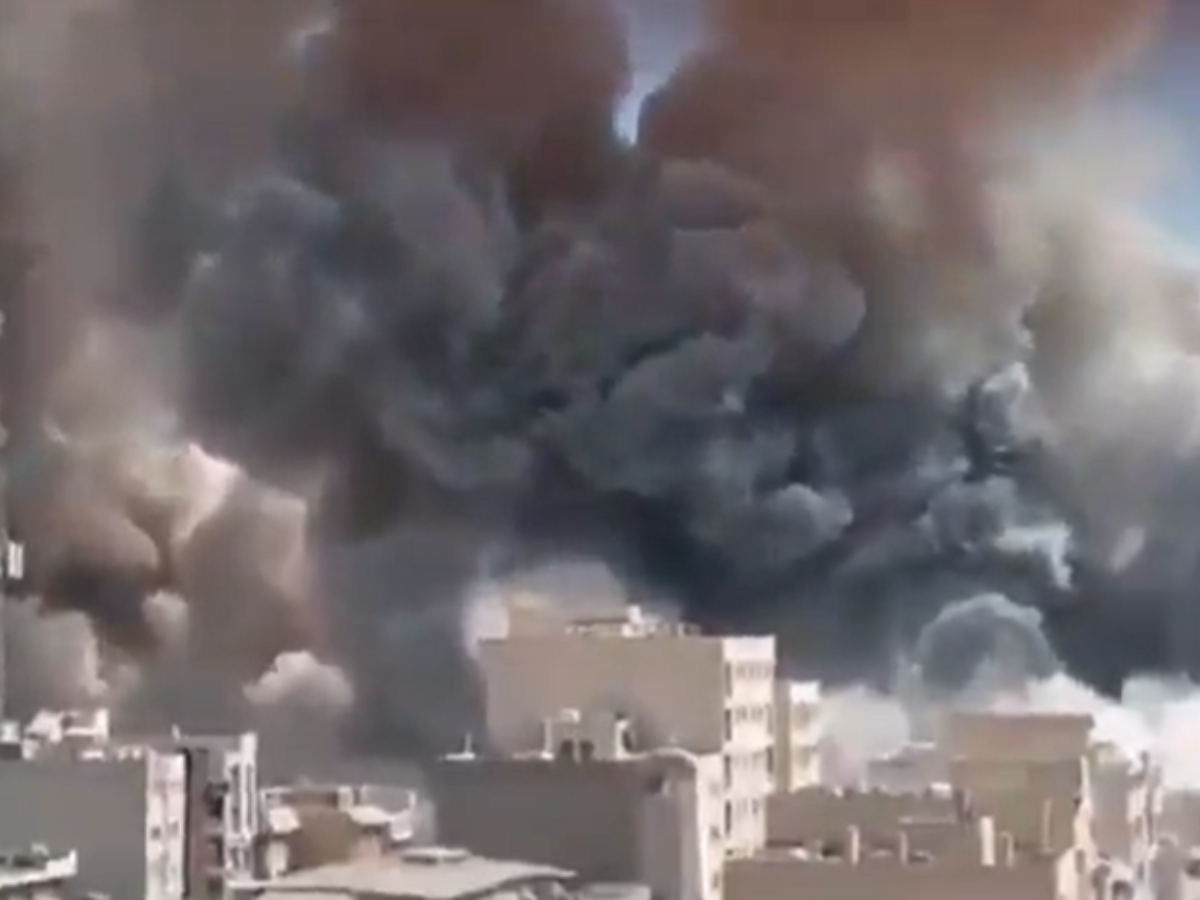
Has Iran’s ‘Axis of Resistance’ Deserted Tehran? (Image: X)
For years, Iran spent decades and billions of dollars building a powerful network of allied militias and armed groups across the Middle East, from Lebanon and Gaza Strip to Iraq, Syria, and Yemen. This alliance, often called the “Axis of Resistance,” was designed to challenge the influence of United States and Israel in the region.
Security officials, militia members and analysts say several reasons explain this hesitation. Many of the Iran-backed militias in Iraq have been weakened over the past few years. According to officials and insiders, years of conflict and targeted attacks have reduced their military strength and resources.
A militia commander identified only as A.J., who spoke on condition of anonymity because he feared being targeted by Israeli or US strikes, said the groups simply do not have the capabilities they once had. “Even if they wanted to fight,” officials say, the militias now rely on outdated weapons in the few attacks they have carried out since the war began.
As per reports, A.J. also said that Tehran has not sent new weapons to his militia since the confrontation with Israel last year. During that earlier conflict, Iran’s Islamic Revolutionary Guard Corps had ordered his group to retaliate, and they responded by launching drones toward Israel. But moving weapons today is much harder. According to A.J., transporting arms now would be “too risky” because they could be spotted by reconnaissance.
Another major factor is the weakening of Iran’s wider network of regional allies. Analysts say the so-called Axis of Resistance has suffered heavy losses in recent years. Years of targeted assassinations have removed key commanders who were difficult to replace. The collapse of secure supply routes and training bases has also made coordination more difficult.
At the same time, many militia leaders in Iraq have shifted their priorities. Instead of focusing only on armed struggle, several commanders have moved into politics and business, gaining wealth and influence inside Iraq. Experts say this new status makes them more cautious about entering another large conflict.
Gareth Stansfield, a professor of Middle East politics at Exeter University who has advised the British government and regional governments, said the relationship between Tehran and these militias is not as tight as many believe. “The idea that the factions are under the thumb of Iran is not the case anymore,” he said.
Stansfield added that many militia leaders now worry about personal consequences if they escalate the conflict. “They don’t want sanctions on them as individuals,” he said. “They want access to Western healthcare and to have their children educated abroad.”
Still, officials warn that the situation could change. Iraqi security officials and paramilitary insiders say the militias could join the conflict if the war drags on, if they believe US-Israeli attacks are targeting Shi’ites broadly, or if US-backed Kurdish groups launch attacks on Iran.
For now, however, Tehran appears to be facing one of its most dangerous moments largely without the full military support of the allies it spent years building.
(With inputs from Reuters)
Balendra Shah, popularly known as Balen Shah, has won the parliamentary election from the Jhapa-5…
Dubai-bound flights remain affordable, but return tickets have surged or sold out after airport disruption…
Right before Suryakumar Yadav's interaction with the media, Mitchell Santner said that he wouldn't mind…
