As Bangladesh Nears a Political Crossroads, US Outreach to Jamaat Raises Questions Over Washington’s Real Intentions
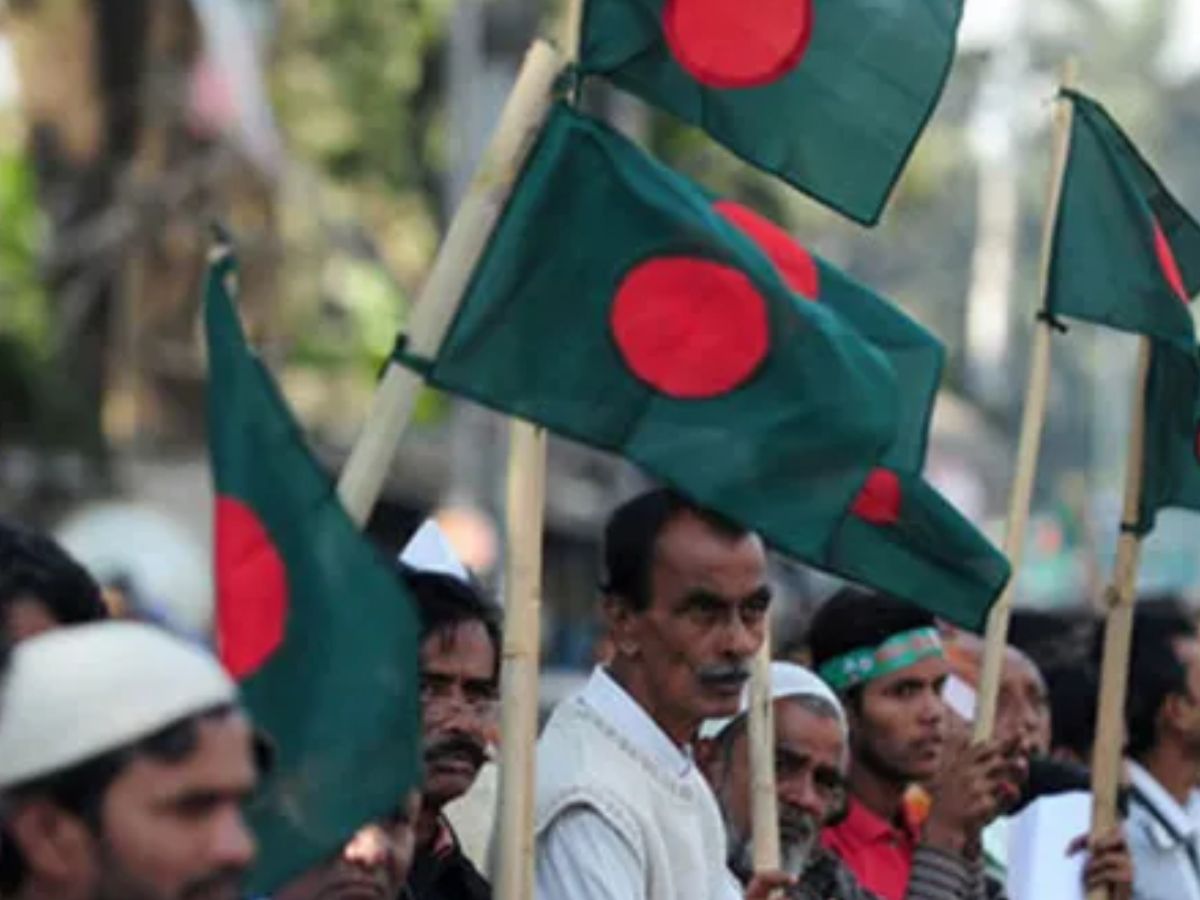
Washington has assumed the role of a “knight in shining armour,” presenting itself as a defender of Bangladesh amid ongoing political turmoil and economic distress. At the same time, the United States is reportedly pursuing discreet diplomatic efforts to engage with Jamaat-e-Islami—an Islamic political party once barred from participating in Bangladesh’s democratic elections—as the February 12 polls draw closer.
The Washington Post reports that US diplomats stationed in Dhaka have expressed a willingness to engage with Jamaat, marking a significant departure from Washington’s long-standing resistance to fundamentalist groups. The report cites audio recordings that point to behind-the-scenes discussions, evolving strategic calculations, and officials adapting to shifting political realities.
You Might Be Interested In
Bangladesh is grappling with multiple crises, including the fallout from mass protests, the collapse of the government, strained relations with India, and widening social divisions.
As the nation reaches a decisive moment, a pressing question remains: is the US standing up for democracy, or merely aligning itself with the next political winner? With just few days remaining, Bangladesh’s critical choice now looms large.
From Political Exile to Poll-Time Reinvention: Jamaat’s Comeback Story
Jamaat-e-Islami is making a return to Bangladeshi politics after having been banned by the government, a move that once pushed its leaders and supporters into political exile. The party advocates Shariah-based governance but carries heavy historical baggage due to its opposition to Bangladesh’s independence from Pakistan in 1971. Its controversial role during the liberation war kept Jamaat out of national politics for more than a decade, continuing to shape public perceptions.
As election season unfolds, Jamaat is attempting to craft a new political identity. The party has moved away from its earlier rhetoric, positioning itself as a champion of “clean governance” and anti-corruption. While reformist slogans are being used to broaden its appeal, criticism persists over proposals such as reducing women’s working hours and the party’s enduring pro-Pakistan stance.
Voters are now confronted with a critical question: is Jamaat undergoing genuine transformation, or is this a carefully timed rebranding exercise ahead of the polls?
Engagement First, Pressure Later: Inside Washington’s Bangladesh Playbook
According to media reports, a US diplomat held closed-door talks with female Bangladeshi journalists on December 1, offering rare insight into how Washington plans to navigate the shifting political landscape in Dhaka. During the discussion, the diplomat reportedly remarked that “Bangladesh has shifted Islamic” and predicted that Jamaat-e-Islami could deliver its strongest electoral performance to date.
The conversation moved into new territory when interest was expressed in engaging Jamaat’s influential student wing, Islami Chhatra Shibir, which recently secured key victories in student elections across Dhaka and other regions.
“We want them to be our friends,” the diplomat reportedly said, according to audio recordings cited by The Washington Post.
The outreach was accompanied by reassurance. The diplomat downplayed fears of the imposition of Shariah law, stressing that Washington retains significant leverage. Should Jamaat cross certain red lines, the response would be swift and severe, including the threat of 100 per cent tariffs.
For close observers, the message appears unmistakable: engagement comes first, pressure follows—an approach tailored for Bangladesh’s moment of uncertainty.
US Embassy and Jamaat Play It Safe
The US Embassy in Dhaka and Jamaat-e-Islami have both declined to engage with the substance of the reported diplomatic remarks. Embassy spokesperson Monica Shie described the December interaction as a routine, off-the-record discussion with journalists, noting that multiple political parties were mentioned and reiterating that Washington does not favour any single party, but will work with whichever government Bangladeshi voters elect.
Meanwhile, Jamaat’s US representative Mohammad Rahman declined to comment, stating that the diplomatic meeting was held in private.
US Outreach to Jamaat Rings Alarm Bells In India
The United States is conducting surveillance on Jamaat-e-Islami, which Washington has been monitoring, while experts in New Delhi believe this situation could create additional problems for US–India relations. India has identified Jamaat as a security threat, stemming from its historical connections to Pakistan and its current ideological stance.
The timing of these developments has heightened anxiety. Diplomatic ties between Dhaka and New Delhi are already strained due to former Prime Minister Sheikh Hasina’s exile in India and her court-sanctioned death sentence in Bangladesh. Recent attacks on Hindus during communal violence have further deepened mistrust.
Indian decision-makers now face a practical dilemma: whether Washington is recalibrating its South Asia approach in ways that could destabilise the region. Bangladesh’s political situation has reached a critical point, where every diplomatic move now carries consequences beyond its national borders.
(With Inputs From PTI And Reports)
Aishwarya is a journalism graduate with over three years of experience thriving in the buzzing corporate media world. She’s got a knack for decoding business news, tracking the twists and turns of the stock market, covering the masala of the entertainment world, and sometimes her stories come with just the right sprinkle of political commentary. She has worked with several organizations, interned at ZEE and gained professional skills at TV9 and News24, And now is learning and writing at NewsX, she’s no stranger to the newsroom hustle. Her storytelling style is fast-paced, creative, and perfectly tailored to connect with both the platform and its audience. Moto: Approaching every story from the reader’s point of view, backing up her insights with solid facts.
Always bold with her opinions, she also never misses the chance to weave in expert voices, keeping things balanced and insightful. In short, Aishwarya brings a fresh, sharp, and fact-driven voice to every story she touches.