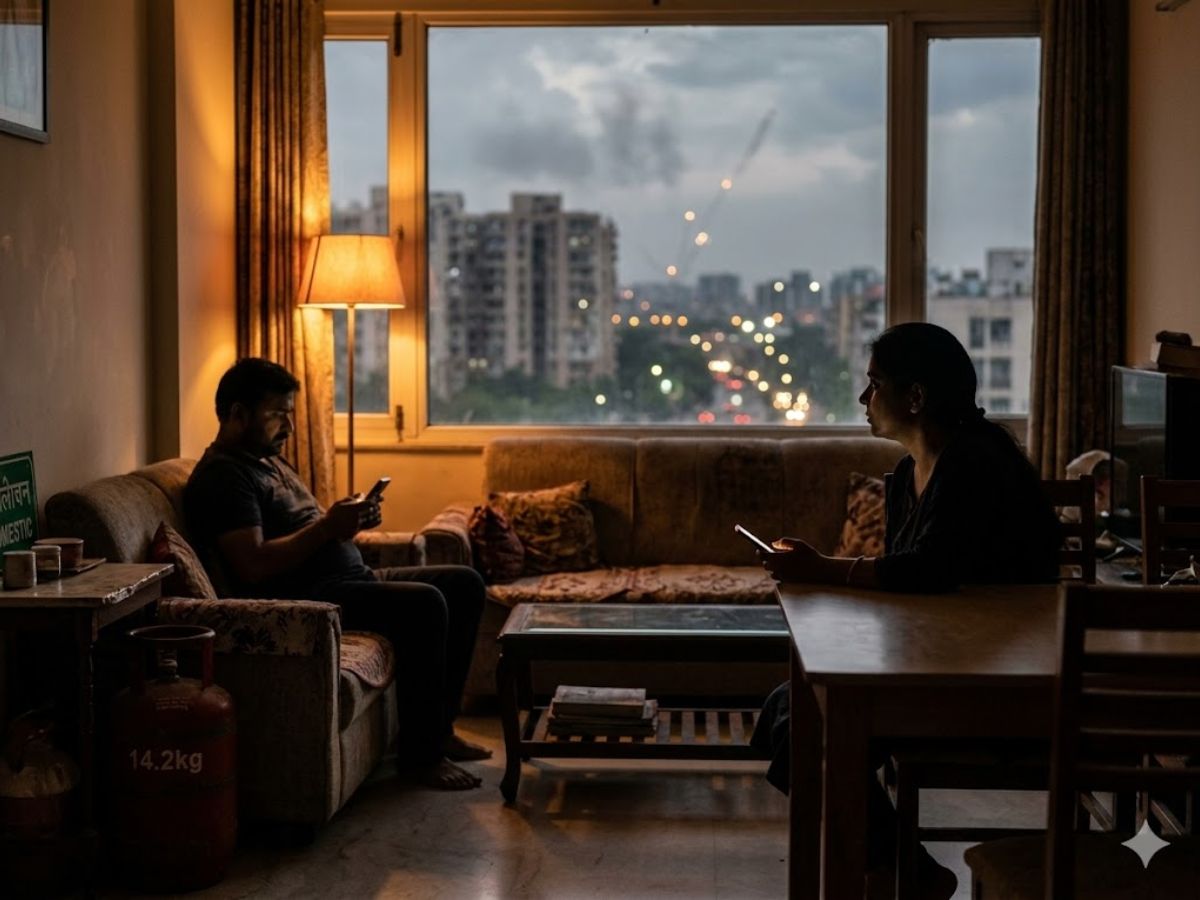
Online rape academies exposed (Image: AI-generated)
Online Rape Academies: An extensive, month-long investigation by CNN uncovered an alarming international community of men who in the drugging and sexual assault on women through the collection of drugged and sexually assaulted women and other women may possibly have also just as troubling experiences with drugged and sexually assaulted women and others’. As part of the series “As Equals”, published March and April 2026, the report identified a number of sites identified as “rape academies” on the internet which contain hidden communities to discuss and provide training in the methods of rape, including methods of recruitment, training, and execution of rape.
These communities exist adjacent to online social media sites such as Facebook/Meta, Twitter/TikTok, Instagram, and other similar social media platforms, in addition to many private online forums and encrypted messaging apps such as Telegram. These online communities contain members exchanging methods to incapacitate women by drugging, avoiding detection by law enforcement, and/or recording the rape; and most of the women that are raped/sexually assaulted are their respective romantic partners, i.e. their wife or girlfriend, detailing the predatory nature of the act of rape and the further violation of trust of their romantic partners.
The most significant site, according to investigators, appears to be the pornographic site motherless.com, which reportedly had about 62 million visits in February 2026 alone. The site has many categories for videos that contain women that appear to be unconscious, such as ‘sleep’ and ‘passed out.’ Many of the videos exhibit a behaviour called ‘eye check’ in which a perpetrator lifts the victim’s eye lid to show that the victim is either semi-conscious or unconscious from being drugged (sedated). Many of those videos have been viewed tens of thousands of times.
Investigators also accessed private chat groups in certain sites (including one called ‘Zzz’) where individuals posted recommendations for drugging females. Discussions between different individuals in these types of sites often advanced how much and what type of substance, the quantity of substance to use, and how to conceal the drug in food or beverage. The scope and open dialogue between the individuals in this community demonstrates that these types of behaviours are successfully being normalised inside of these online rape academy communities.
Using this abuse to make a profit was found by investigation via selling of “sleeping liquids” for cryptocurrency, where an individual (who identified through Telegram as residing in Ceuta) claimed to be selling sleeping liquids for 150 euros, roughly Rs 16,000, claiming it was tasteless and odourless. He stated your wife will feel nothing and will not remember anything.
Survivor of drug-facilitated assault Sandrine Josso described these networks as “rape academies online” and “schools of violent acts” and noted they provide an opportunity for study how they could potentially perform these acts without being held accountable and highlight the huge disconnect between safety of the global community and global systems in place.
Additionally, the investigation identifies numerous examples of harms occurring both in real life and online through these types of communities. One example was when Zoe Watts found out that her 16-year-old husband had been tampering with the sedation medication she gave her son and using the drug to sexually assault her while she slept.
When recalling her experience, she stated: “I worry about who is following us down the street or even making friends with us on Facebook. I worry when I go to my car at night in a parking garage, but I never thought to be concerned about who I was sleeping next to. I had no idea that was something I needed to worry about.” Her husband would eventually confess to these acts that Sunday, after they had attended a single church service and left the church with their four children in the afternoon, April 2018; after the reporting done by CNN, the investigating agencies tracked a known member of one of these networks in Poland and apprehended him. This outcome confirms that investigations can occur with success, despite any apparent challenges to date, to bring these offenders to justice.
The dangers posed by the internet are also highlighted in the case of Dominique Pelicot, a man who shocked the world during his trial. Ultimately, Dominique Pelicot was found guilty of many crimes, including drugging and sexually assaulting his wife Gisele Pelicot, and 50 other men were sentenced as well. Pelicot was convicted of abusing his wife and was sentenced to 20 years in prison for drugging her multiple times and arranging for her to be raped by dozens of men.
Gisele was raped over 200 times by at least 70 different men, most of whom were never found. Investigators have also warned that, while the web site associated with this case was shut down, similar websites have continued to grow on the internet in a huge way. Experts indicate that the secrecy of the internet enables and protects offenders while creating communities to normalise and condone this type of criminal behaviour, making it both widespread and disturbing.
Khalid Qasid is a media enthusiast with a strong interest in documentary filmmaking. He holds a Master’s degree in Convergent Journalism from AJK MCRC. He has also written extensively on esports at Sportsdunia. Currently, he covers world and general news at NewsX Digital.
IND vs AFG: India is set to face Afghanistan in a one-off Test in Mullanpur,…
The Staff Selection Commission (SSC) has announced the results of the Combined Hindi Translator (CHT)…
Trump Hints At Finalising Trade Deal With 'Good Friend' PM Modi
US President Donald Trump expressed confidence that Washington and New Delhi will soon finalize a…
