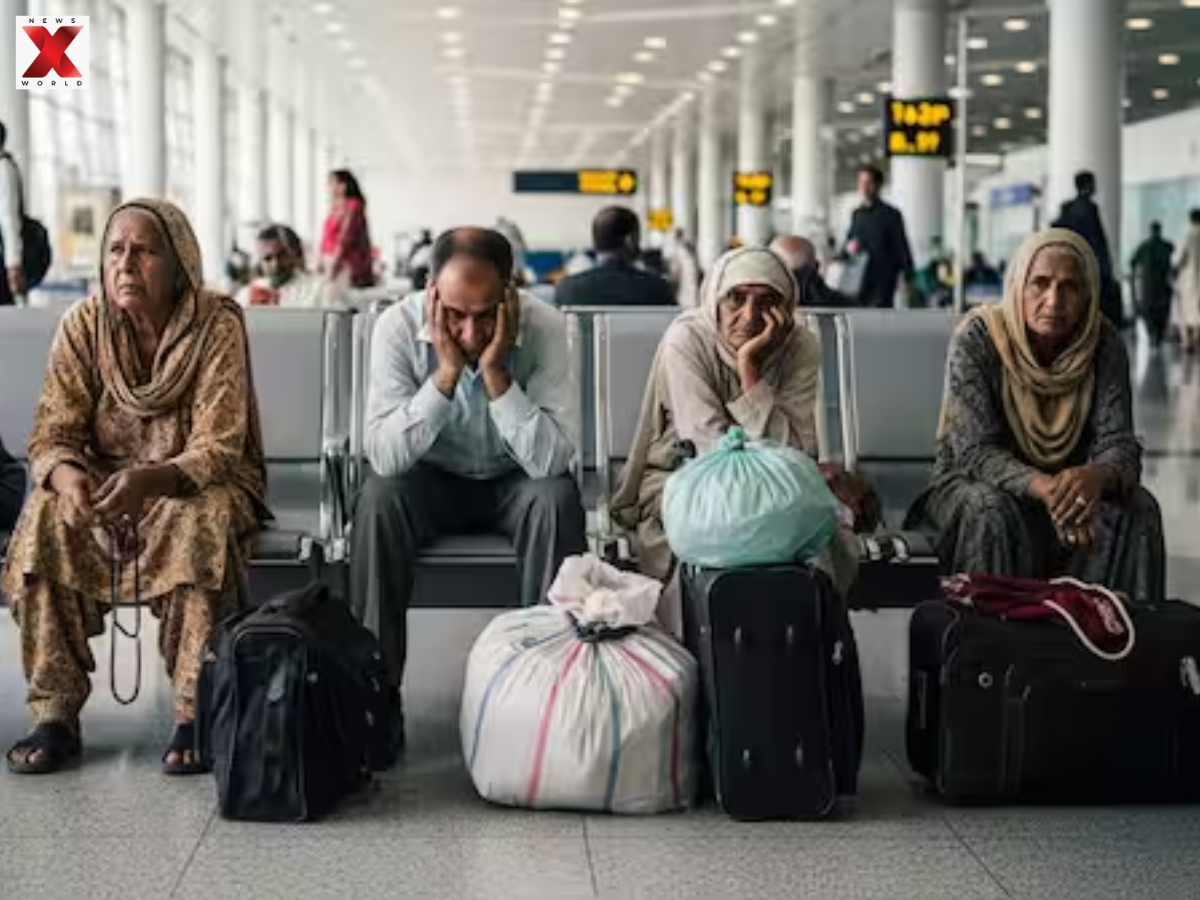
Thousands of Pakistanis have been deported from Saudi Arabia and the UAE for begging-related offences (AI-GENERATED IMAGE)
Pakistan’s Interior Minister Mohsin Naqvi says the government won’t let professional beggars or anyone with incomplete travel documents leave the country.
This move follows growing frustration over Pakistanis getting deported, detained, or humiliated abroad because of begging, visa violations, or fake paperwork.
Officials say several countries, especially in the Gulf, have complained after catching Pakistani nationals running organised begging rings. It has hurt Pakistan’s reputation and made life harder for regular travellers, with more intense checks at airports and border crossings.
Just last week, Pakistan’s Federal Investigation Agency (FIA) announced it stopped over 66,000 people from flying out this year because of questionable travel documents or suspicious reasons for travel.
At the same time, tens of thousands of Pakistanis have been kicked out of Gulf countries and sent home as part of a broader crackdown against illegal migration.
The list of countries taking action keeps growing. Saudi Arabia, the UAE, and Azerbaijan have all deported thousands of Pakistanis this year on charges related to begging.
Saudi and UAE police run special anti-begging operations, especially during Ramadan or the Hajj and Umrah seasons, when the problem usually gets worse.
If they catch anyone begging, they detain them, slap them with fines, and send them home, sometimes with a ban on coming back. Authorities say many of these beggars aren’t acting alone; they’re part of bigger networks.
These new restrictions mean Pakistanis applying for visit, Umrah, or short-term visas now face extra scrutiny. Immigration officers are on the lookout for travellers without a clear reason for their trip, not enough money, suspicious travel records, or too many short visits in a row. Many travelers get stopped at the airport or turned away when they arrive at their destination.
With so many deportations tied to begging, repeat offenders often end up blacklisted, shutting the door for future travel. Gulf governments have even started sharing deportation records with Pakistan, which has pushed Pakistani authorities to crack down at home.
The FIA has stepped up efforts to block suspicious travelers at airports, investigate shady travel agents and human smugglers, and, in some cases, cancel passports for repeat offenders.
Gulf officials point out that a large share of foreign beggars they’ve arrested in recent years are from Pakistan, which is why they’re targeting the issue so directly. That pressure has forced Islamabad to act, hoping to protect the country’s image and make travel easier for everyone else.
NHAI’s 42-km ₹3,500 cr highway with twin tunnels may cut Dehradun–Mussoorie travel time to 30…
Barcelona have officially withdrawn from the European Super League, ending their support for the controversial…
Divine Drop Festival Offers Multi-Generational Cultural Experience in Gurugram
Gurugram (Haryana) [India], February 07: The Divine Drop Festival, held on 31 January in Gurugram,…
