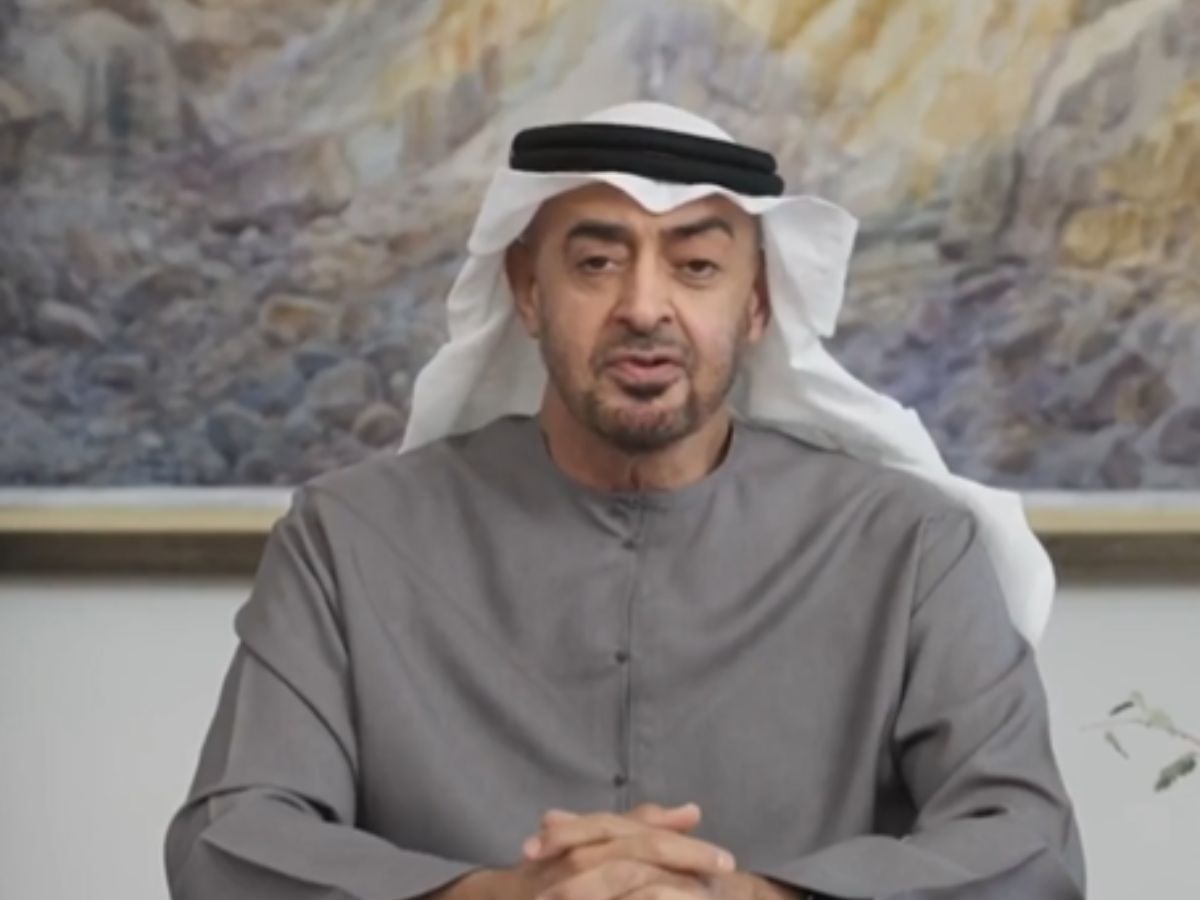
UAE leaves OPEC and OPEC+ (Image: X)
OPEC: The United Arab Emirates announced on Tuesday that it is quitting the oil-producers’ group OPEC, in a move that signals growing tensions within the Gulf amid an ongoing energy crisis linked to the Iran war. The decision could shake the unity of the bloc, which has traditionally tried to present a strong and coordinated front despite internal differences.
The exit of the UAE, a long-standing member, is being seen as a major shift that could weaken OPEC’s influence. The group has often navigated disagreements over geopolitics and production quotas, but this development highlights deeper cracks within the alliance.
UAE Energy Minister Suhail Mohamed al-Mazrouei confirmed the decision, saying it came after a detailed review of the country’s energy strategy. He made it clear that the move was taken independently, without consulting other nations, including Saudi Arabia, which is widely seen as OPEC’s de facto leader.
“This is a policy decision, it has been done after a careful look at current and future policies related to level of production,” said the energy minister.
The move comes at a time when Gulf producers are already facing difficulties in shipping oil through the Strait of Hormuz. This key chokepoint handles about a fifth of the world’s crude oil and liquefied natural gas, but Iranian threats and attacks on vessels have disrupted flows.
Mazrouei said that despite the UAE’s exit from both OPEC and the broader OPEC+ grouping, the impact on global oil markets may not be significant due to the ongoing challenges in the strait.
The decision is also being viewed as a geopolitical win for Donald Trump. In a 2018 address to the United Nations General Assembly, Trump had accused OPEC of “ripping off the rest of the world” by keeping oil prices high. He has also linked U.S. military support in the region to oil pricing policies.
Trump had argued that while the U.S. protects Gulf nations, they “exploit this by imposing high oil prices,” a stance that aligns with the UAE’s move to step away from the group.
The UAE’s decision also follows criticism of fellow Arab nations for their response to Iranian attacks during the ongoing conflict. Anwar Gargash voiced concerns over what he described as weak political and military backing.
“The Gulf Cooperation Council countries supported each other logistically, but politically and militarily, I think their position has been the weakest historically,” Gargash said.
“I expect this weak stance from the Arab League and I am not surprised by it, but I haven’t expected it from the (Gulf) Cooperation Council and I am surprised by it,” he added.
Mazrouei noted that the UAE has been part of OPEC and OPEC+ for a long time, but emphasised that global energy demand is expected to grow. He suggested that stepping outside the group would allow the country to better meet future needs.
With global spare capacity already at low levels, the oil market remains tight. By operating independently, the UAE aims to leverage its ability to produce some of the world’s lowest-cost and lowest-carbon oil, positioning the move as beneficial for both consumers and the global economy.
(With inputs from Reuters)
Khalid Qasid is a media enthusiast with a strong interest in documentary filmmaking. He holds a Master’s degree in Convergent Journalism from AJK MCRC. He has also written extensively on esports at Sportsdunia. Currently, he covers world and general news at NewsX Digital.
Brazil’s FIFA World Cup 2026 opener ended in a thrilling 1-1 draw against Morocco at…
Bengaluru Weather Today: Heavy monsoon activity continued to lash Bengaluru on Saturday, with intense evening…
Mild Earthquake Of Magnitude 3.8 Hits Myanmar
A magnitude 3.8 earthquake struck Myanmar on June 13, 2026, followed by an earlier 3.5…
