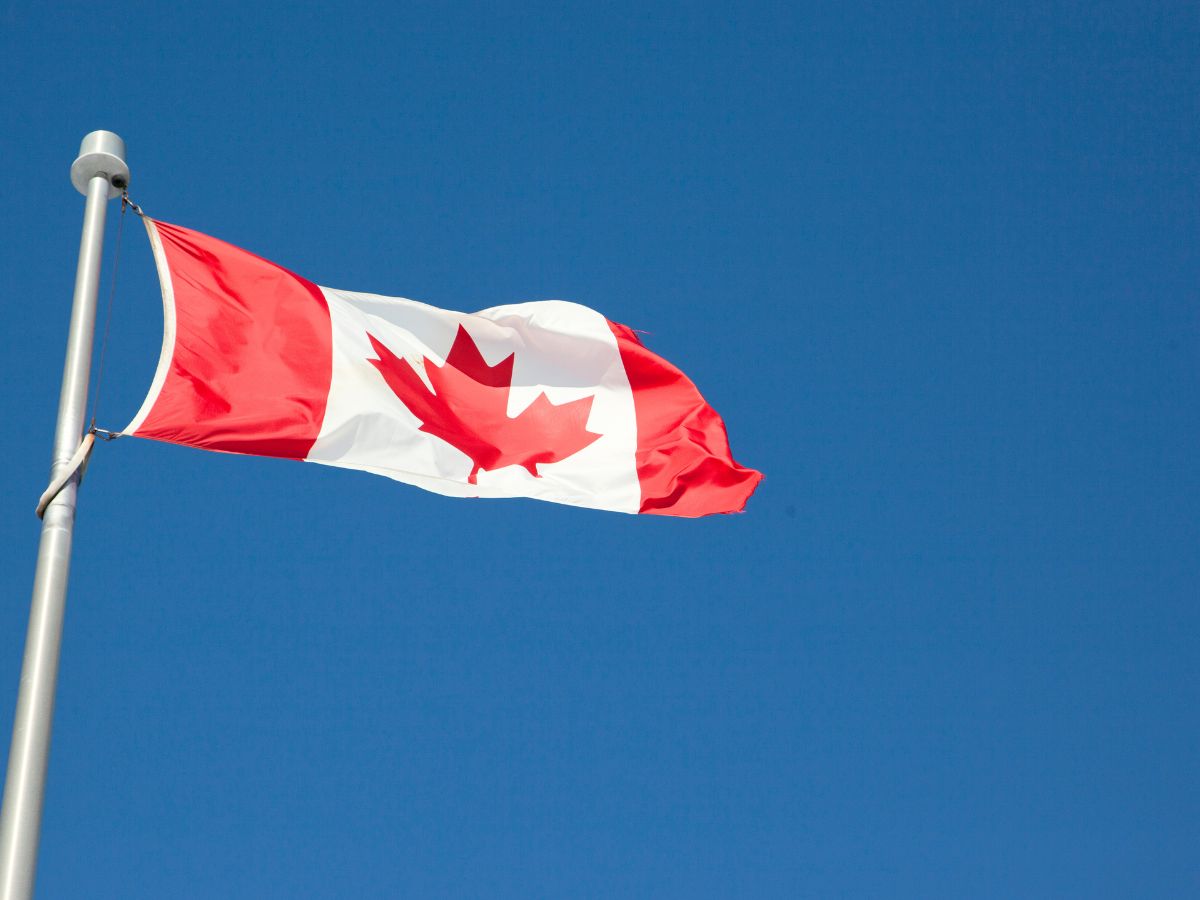
Over one million Indians in Canada risk losing legal status by mid-2026. (Photo: Canva)
Canada could be heading towards a major immigration crisis, with undocumented immigrants emerging as a growing concern amid the mass expiry of work permits. New data suggests that more than one million Indians may be at risk of losing their legal status by mid-2026 as Canada tightens immigration rules and pathways to permanent residency narrow.
According to data obtained from Immigration, Refugees and Citizenship Canada (IRCC) by immigration consultant Kanwar Seirah, around 1,053,000 work permits expire by the end of 2025, while another 927,000 are set to expire in 2026. Once a work permit expires, holders automatically lose legal status unless they successfully transition to another visa or secure permanent residency.
These transitions have become increasingly difficult as the Canadian government moves to curb immigration, particularly in non-permanent categories such as temporary foreign workers and international students, while simultaneously tightening asylum rules.
Seirah estimates that by mid-2026, at least two million people in Canada could be living without legal status, with Indians accounting for roughly half of that number. He described the estimate for Indians as “very conservative,” pointing out that tens of thousands of study permits will also expire and many asylum claims are likely to be rejected.
Canada has never faced such a large number of people falling out of status at once, Seirah warned. The scale of permit expiries is unprecedented and could overwhelm the immigration system.
The first quarter of 2026 alone is expected to see nearly 315,000 permit expiries, creating what Seirah described as a serious “bottleneck” in the system. By comparison, the last quarter of 2025 recorded over 291,000 expiries.
“It’s going to get very chaotic,” Seirah said, referring to the volume of immigrants at risk of losing legal status and the lack of viable pathways to remain in the country legally.
The impact of rising undocumented immigration is already being felt in parts of the Greater Toronto Area, including Brampton and Caledon. Tent encampments have reportedly appeared in wooded areas, housing people who no longer have legal status.
Brampton-based journalist Nitin Chopra, who documented one such encampment, said there was anecdotal evidence of out-of-status immigrants from India working for cash. He also noted concerns about fly-by-night operators allegedly facilitating marriages of convenience.
Worker advocacy groups such as the Naujawan Support Network have announced plans to protest in January, highlighting what they describe as a looming humanitarian and labour crisis caused by expiring permits.
Toronto-based activist Bikramjit Singh said the group is working to build momentum around the issue, stressing that many immigrant workers are “good enough to work, but not good enough to stay.” The group is calling for immigration reforms that would allow temporary workers and students to remain in Canada legally.
Canada is set to introduce several immigration and citizenship changes in 2026. Under Prime Minister Mark Carney, the government is addressing long-standing citizenship issues affecting thousands of “Lost Canadians” born abroad.
Under Bill C-3, an estimated 115,000 people could become eligible for citizenship. The new rules allow Canadian parents born abroad to pass on citizenship, provided they meet a “connection test” showing at least three years of physical presence in Canada.
At the same time, Canada’s Immigration Levels Plan for 2026–2028 signals a reduction in the number of newcomers across most categories, including student visas. Officials have also been granted powers to suspend immigration applications mid-process under certain conditions.
While some pathways have expanded such as a new Express Entry category for doctors and accelerated routes for H-1B visa holders immigration experts warn these measures will benefit only a small segment of migrants.
For many Indian workers and students, the coming months could determine whether they remain in Canada legally or slip into undocumented status, placing them at the centre of one of the country’s most pressing immigration challenges.
Sofia Babu Chacko is a journalist with over five years of experience covering Indian politics, crime, human rights, gender issues, and stories about marginalized communities. She believes that every voice matters, and journalism has a vital role to play in amplifying those voices. Sofia is committed to creating impact and shedding light on stories that truly matter. Beyond her work in the newsroom, she is also a music enthusiast who enjoys singing.
On February 18, 2026, gold and silver futures on MCX opened strong, tracking international price…
Andhra Pradesh Horror: Neighbour Rapes, Kills 7-Year-Old, Hides Body In Drum At Home
Andhra Pradesh Horror: Neighbour Rapes, Kills 7-Year-Old, Hides Body In Drum At Home: The police…
Who Is Martha Stewart? Know About Her Most Prized Flower Which Is 50 Years Old
Martha Stewart is known as an entrepreneur, author, lifestyle mogul, and avid gardener. She shares…
