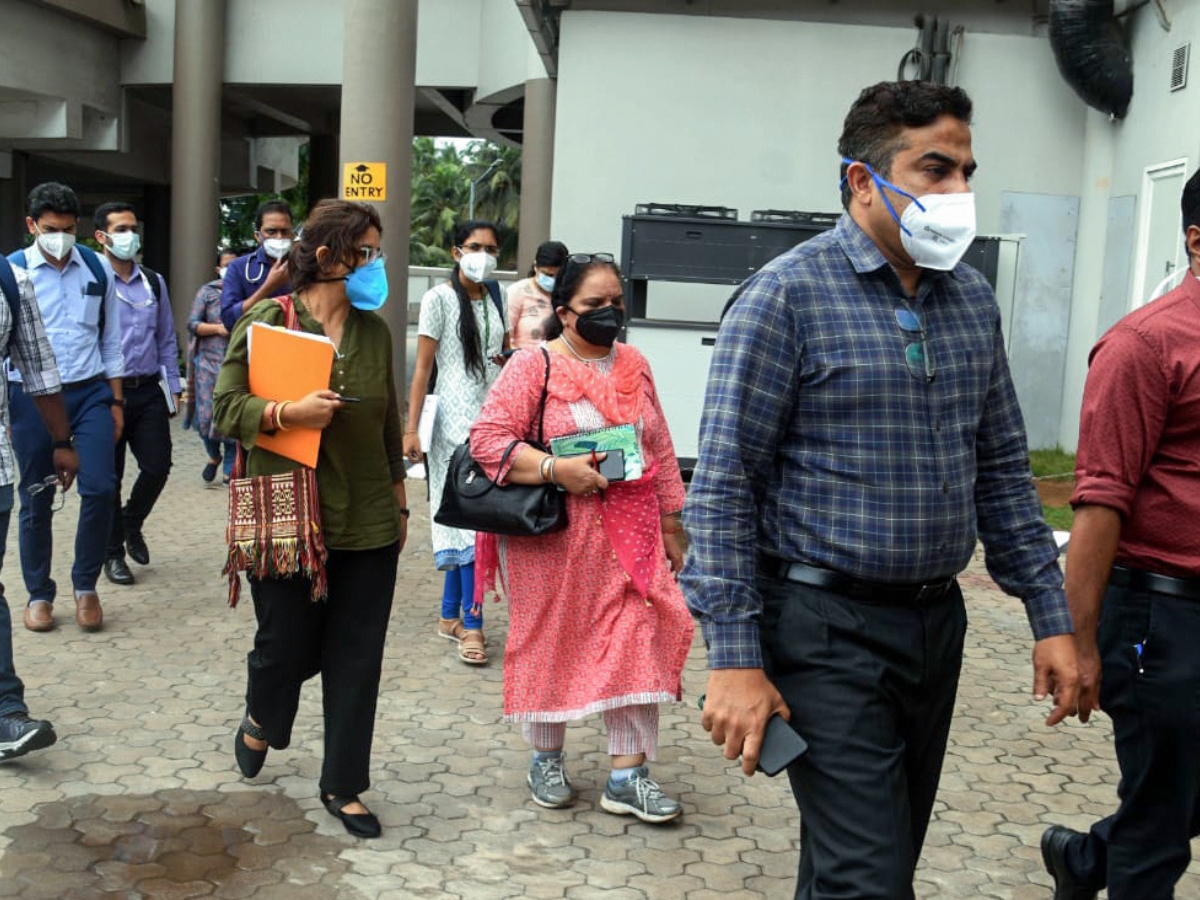
Nipah virus detected in India and Thailand. Photo: X.
Nipah virus is back in the news. Health authorities across Asia have raised alarms after the deadly virus was detected in India’s West Bengal. Several countries have taken precautionary measures across the region.
The zoonotic virus, which can spread between animals and humans, primarily fruit bats and pigs, can cause symptoms ranging from mild fever to severe brain infections and death, according to the Cleveland Clinic.
India’s National Center for Disease Control (NCDC) confirmed some cases, describing it as “not major” and limited to two districts in Kerala: Kozhikode and Malappuram.
In addition, Thailand’s government reported that five people have contracted the virus, signaling the need for regional vigilance.
Countries across Asia have initiated monitoring and prevention strategies similar to those employed during the COVID-19 pandemic.
Thailand’s Department of Disease Control (TDDC) emphasized in a Friday press release that the measures aim “to monitor and screen travelers at international communicable disease control checkpoints.”
The release further explained, “Measures have been taken to monitor travelers. [If] travelers [are found] with high fever or have symptoms compatible with Nipah virus infection, additional screening will be done at the international communicable disease control checkpoint.”
Travelers are required to share their travel history and any potential exposure to the virus. Those exhibiting symptoms must also provide the date of onset.
TDDC Director General warned, “The virus can cause neurological symptoms and has a relatively high death rate.”
India’s Ministry of Health shared preventive guidance on X, outlining several measures to reduce the risk of infection:
Wash fruits thoroughly before consumption.
Drink only chlorinated or boiled water.
Wear protective clothing when handling or cleaning animals and animal sheds.
Avoid eating contaminated or half-eaten fruits fallen from trees.
Refrain from consuming raw date palm juice.
Stay away from sick or dead animals.
Indian officials have begun testing bats at Kolkata’s Alipore Zoo to rule out infection, The Hindu reported.
Zoo Director Tripti Sah stated, “The team collected swab samples from bats. They have followed all the protocols during the process.”
Zubair Amin is a Senior Journalist at NewsX with over seven years of experience in reporting and editorial work. He has written for leading national and international publications, including Foreign Policy Magazine, Al Jazeera, The Economic Times, The Indian Express, The Wire, Article 14, Mongabay, News9, among others. His primary focus is on international affairs, with a strong interest in US politics and policy. He also writes on West Asia, Indian polity, and constitutional issues. Zubair tweets at zubaiyr.amin
A free breakfast announcement at Shilpa Shetty’s newly opened Bandra restaurant AmmaKai has sparked a…
Mumbai (Maharashtra) [India], January 23: As the Union Budget 2026 approaches, discussions around the real estate…
How Hyperlocal Digital Platforms Can Transform Small Businesses in India
Kakumanu Ravi Chandra, Founder & Chief Executive Officer (CEO), IND Classifieds New Delhi [India], January 27:…
