
Big Governor Reshuffle Sparks Political Buzz Across India
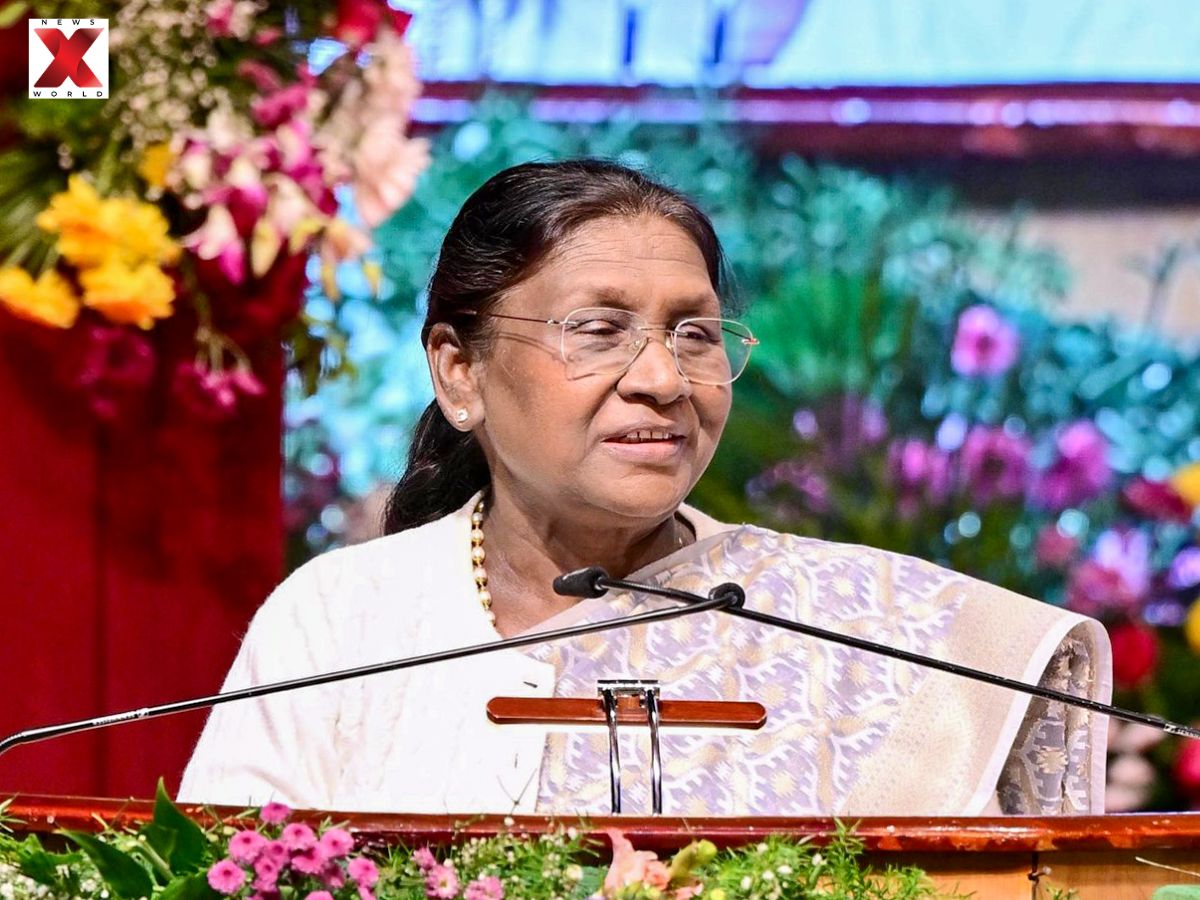
The political landscape of India experienced disruption when President Droupadi Murmu approved extensive changes to Governors and Lieutenant Governors serving in nine states and Union Territories. The decision came just hours after West Bengal Governor C.V. Ananda Bose resigned, instantly fuelling speculation about a wider political recalibration. The notification from Rashtrapati Bhavan states that new appointments and additional responsibilities have been assigned in Delhi, Bihar, West Bengal, Maharashtra, Telangana, Himachal Pradesh, Nagaland, Ladakh, and Tamil Nadu. The situation now raises an important question: is this merely a routine administrative exercise, or does it signal a deliberate shift in India’s evolving political framework?
New Lieutenant Governor Appointed For Delhi: Major Political Signal From The Centre
The political landscape of Delhi has taken on a different appearance. The appointment of Taranjit Singh Sandhu as the new Lieutenant Governor of the national capital demonstrates how the central government is managing one of India’s most politically sensitive regions. Sandhu, who possesses diplomatic expertise and international experience, now assumes a position that combines governance responsibilities with high-stakes political duties in Delhi.
The appointment of Lt. Gen. (Retd.) Syed Ata Hasnain as the Governor of Bihar is also a major development for the state. Hasnain, who is widely respected for his distinguished service in the Indian Army, now brings considerable administrative and security expertise to the role of state leadership.
The Centre’s latest appointments have sparked public debate and political discussion about the broader implications of this recent reshuffle.
RN Ravi Moves To West Bengal; Mamata Banerjee Left Unimpressed
After RN Ravi became the new Governor of West Bengal, the state’s political situation witnessed a significant shift. The decision, however, did not go down smoothly in Kolkata. Chief Minister Mamata Banerjee appeared unimpressed with the move, saying that Union Home Minister Amit Shah informed her about the appointment over the phone but did not consult her beforehand, as convention usually requires.
Banerjee’s reaction has added a new dimension to the political situation between her government and the Centre. The new appointment has raised an important question: is this merely an administrative transition, or a continuation of the ongoing political friction between the central government and West Bengal?
Multiple States See New Governors
| Leader | Previous Role | New Appointment |
|---|---|---|
| Jishnu Dev Varma | Former Governor of Telangana | Governor of Maharashtra |
| Shiv Pratap Shukla | Former Governor of Himachal Pradesh | Governor of Telangana |
| Kavinder Gupta | Former Lieutenant Governor of Ladakh | Governor of Himachal Pradesh |
Nagaland, Ladakh and Tamil Nadu Also Get Changes
| Leader | Previous Role | New Appointment |
|---|---|---|
| Nand Kishore Yadav | Senior BJP leader | Governor of Nagaland |
| Vinai Kumar Saxena | Former Lieutenant Governor of Delhi | Lieutenant Governor of Ladakh |
| Rajendra Vishwanath Arlekar | Governor of Kerala | Given additional charge as Governor of Tamil Nadu |
What Is The Political Significance Of The Reshuffle
The political situation in India has reached its latest critical point through this strategic political move. The extensive replacement of Governors and Lieutenant Governors occurs at a moment when multiple states prepare to conduct their essential assembly elections alongside increased political activities. The Centre implements new leadership appointments throughout essential states and Union Territories to demonstrate to India’s political system that Raj Bhavans hold strategic value in the nation’s developing political framework.
Governors serve as essential constitutional authorities who guide political changes, legislative disputes, and government establishment processes. The central government intends to use its latest appointments to place experienced leaders from administration, diplomacy, and politics into responsive roles in the coming months.
The current situation has increased political discussions throughout both national and local political communities. The new Governors and Lieutenant Governors begin their official duties immediately and will handle responsibilities that extend beyond ceremonial functions to influence state political activities during a vital period in India’s electoral process.