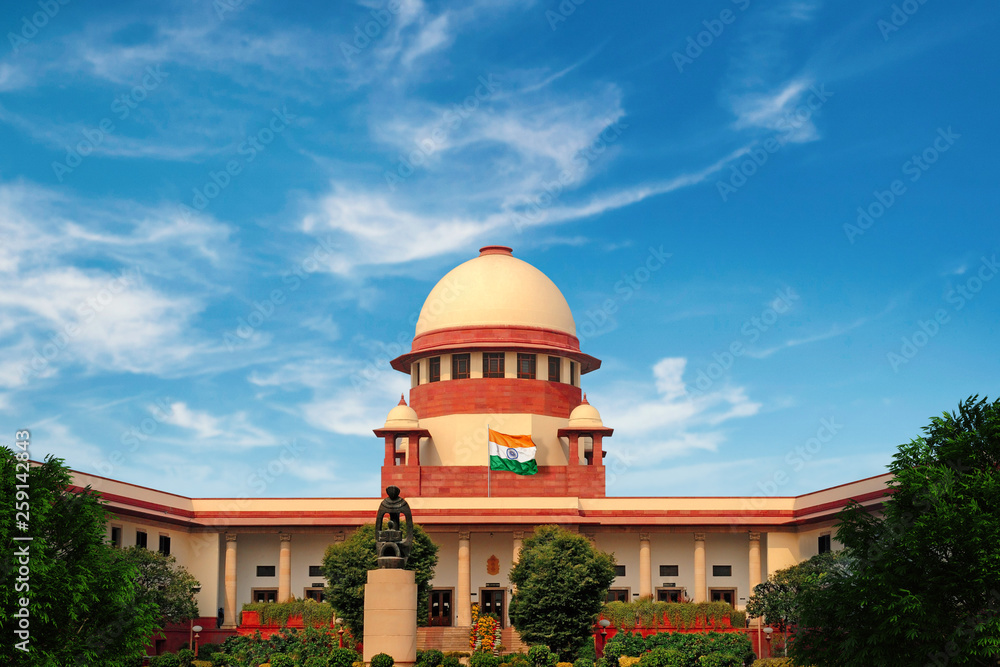
The Supreme Court of India delivered a significant ruling today, claiming that journalistic expression such as news articles and videos does not, on its own, constitute a prima facie offense under Section 152 of the Bharatiya Nyaya Sanhita (BNS), the new provision that replaces the colonial-era sedition law in the Indian Penal Code. The bench underscored that while a well-intended law can be misused, judicial safeguards must prevent arbitrary application.
The case before the court involved Siddharth Varadarajan, editor of The Wire, and associates, who faced legal action from Assam police over a reporting piece on alleged Indian Air Force fighter jet losses during “Operation Sindoor.” The court granted them protection from arrest. Justices Surya Kant and Joymalya Bagchi questioned whether routine journalistic work should draw criminal consequences, emphasizing that writing an article cannot equate to acts such as arms smuggling.
Solicitor General Tushar Mehta argued that the plea was an attempt to avoid accountability. Yet the court maintained a clear distinction between reporting and criminality. Justice Kant clarified that journalists are not granted special privileges, but that expression via media cannot be considered criminal absent proof of a threat to national unity. Justice Bagchi highlighted that the potential for misuse alone is not a valid basis for declaring a law unconstitutional; such judgments must rest on legislative intent and validity.
This ruling follows the Supreme Court’s issuance earlier this week of a notice to the central government on a separate petition challenging Section 152’s constitutional validity, on grounds that it may replicate the vaguely worded and historically misused sedition law.
By affirming the need for tangible harm before invoking stringent criminal charges against journalists, the Supreme Court has reaffirmed critical safeguards for press freedom in India, particularly as Section 152 remains under judicial scrutiny.
Also Read: Chinese Foreign Minister Wang Yi to Visit India for High-Level Talks with NSA Doval
Assam Assembly Election Results 2026: May 4th, the first monday that every Indian is waiting…
Shakira’s free Copacabana concert drew 2 million, turning Rio into a cultural spectacle while boosting…
Although gold prices for 24K, 22K, and 18K declined overall this week in India, they…
