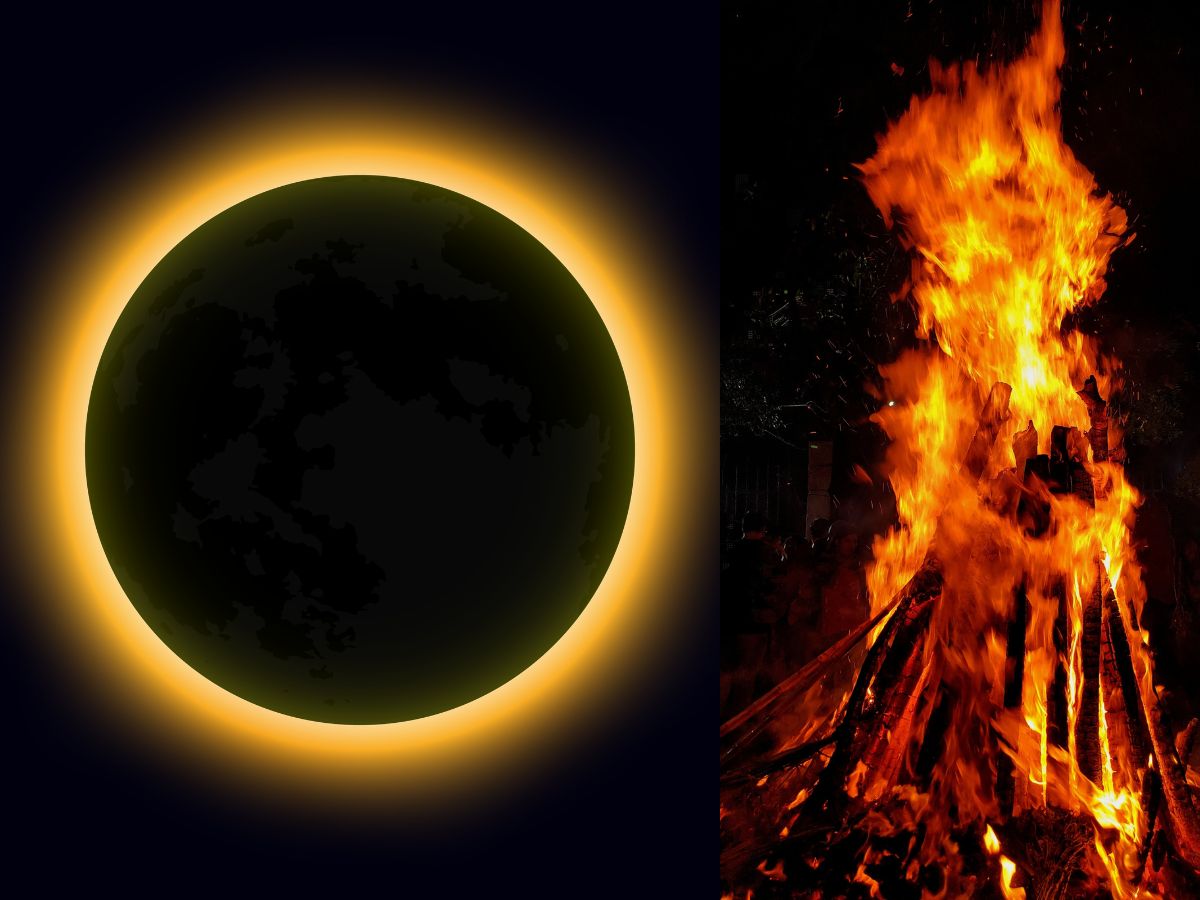
Lunar Eclipse 2026
The first lunar eclipse of 2026 — often called a “Blood Moon” — will take place on March 3, drawing global attention. While the dramatic red hue of the Moon excites skywatchers, it has also sparked questions about possible effects on health and sleep. Experts, however, reassure that a lunar eclipse poses no direct health risks. Scientific evidence suggests that any impact on the body is minimal, and maintaining good sleep habits is far more important than the position of the Moon.
A Blood Moon occurs during a total lunar eclipse, when the Earth moves directly between the Sun and the Moon. As sunlight passes through Earth’s atmosphere, it casts a reddish shadow on the Moon, creating its striking appearance. The Lunar Eclipse 2026 will be visible in several regions. In India, it is expected to begin around 3:20 PM IST, with peak visibility between 6:33 PM and 6:40 PM IST, and conclude at approximately 6:47 PM IST.
Traditional beliefs and health concerns
For centuries, cultures around the world have associated eclipses with physical and emotional changes. In some traditions, people are advised to avoid eating or to rest during the event. While such beliefs continue to generate discussion, modern science finds no evidence that a lunar eclipse has harmful effects on human health.
Sleep disruption is one of the most commonly discussed concerns during a lunar eclipse. A few small studies suggest that lunar cycles, particularly around a full moon, may slightly influence sleep patterns. Reported changes can include:
Melatonin is the hormone that regulates the sleep–wake cycle. Increased nighttime brightness during a full moon may subtly affect circadian rhythms, especially in areas with limited artificial lighting. However, experts note that in today’s world — with indoor environments and electric lighting — the Moon’s direct impact is likely minimal. Feeling restless during the eclipse is possible, but it may not be caused by the Blood Moon itself.
Some individuals report mood swings, anxiety, or heightened emotions during celestial events. While astrology often links eclipses to emotional shifts, scientific evidence supporting such claims remains limited. Psychologists suggest that expectations can strongly influence perception. If someone believes the Blood Moon will affect their mood or energy, they may become more aware of normal emotional fluctuations.
If sleep is mildly disturbed, it could indirectly influence:
If you are concerned about sleep during the eclipse, experts recommend focusing on healthy habits:
Ultimately, good sleep hygiene plays a much greater role in overall well-being than any lunar event. The March 3 Blood Moon is a safe and fascinating celestial phenomenon — one best enjoyed with curiosity rather than concern.
‘India Final Nahi Khelega’: Mohammad Amir Predicts IND vs ENG T20 World Cup 2026 Semifinal Winner
Mohammad Amir, after his failed semifinal prediction, says India are still not favourites for the…
Romantic drama With Love, starring Abishan Jeevinth and Anaswara Rajan, premieres on Netflix March 6.…
The National Institute of Open Schooling (NIOS) is set to release the theory exam date…
