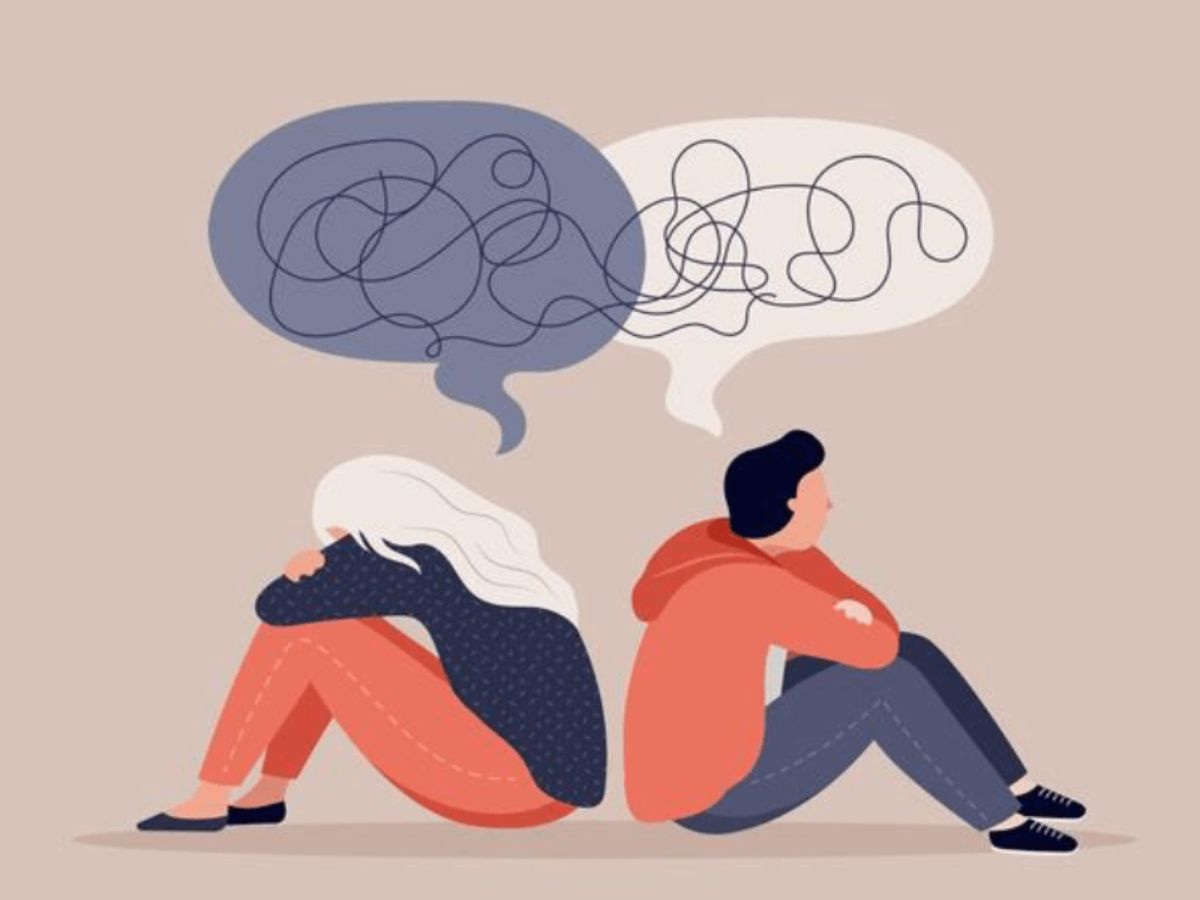
These 4 Questions Will Reveal If You Are Unhappy In Relationship
Most of us have a general idea of what makes a relationship healthy: strong communication, trust, honesty, and commitment. But knowing the theory is very different from recognising what these traits look like in daily life.
Over time, couples can quietly be miserable without even knowing it.
Habits like suppressing emotions, routine recognition of issues, or just becoming conflict hardened can make unhealthy habits seem like the norm.
That is why psychologist Dr. Mark Travers suggests a quick self-test with four reflective questions. If your answers are mostly “no,” it might be a sign that something more is going on under the surface.
Fights are inevitable, but it’s how you fight that matters.
A healthy argument should leave you feeling like you and your partner are against the issue, not you against your partner.
If fights tend to be wars that leave you feeling lonely, it’s time to change your strategy.
As per studies, couples who think problems are solvable and work at them together are better at solving conflicts. So if you said “no,” ask yourself, what are we fighting for?
The greatest relationships grant freedom to laugh, to cry, to be goofy, to mess up, and to show up as your unfiltered, unedited you.
If every time you feel compelled to dial it back, to tone yourself down, to hide aspects of yourself, it quietly erodes your sense of self.
You should have a partner who loves the whole you, not your put-together self. If that is lacking, take the time to determine if you feel seen.
Early in relationships, curiosity comes easily, and you need to know everything about one another. But as time passes, that excitement can fizzle.
Nevertheless, being curious is a component of emotional connection.
If your partner no longer inquires about your feelings, thoughts, or dreams, it might indicate that the relationship has stagnated.
A good lover continues to discover more about you, not who you used to be, but who you are becoming.
We all get things wrong. What’s important is how the other person reacts afterwards.
Do they take the blame, apologise, and make an effort to mend things? Or do they deflect, blame, or become shut down?
Even minor actions of responsibility can heal tension. But when responsibility is only ever one way, it undermines trust and emotional safety in the long run.
Dr. Mark Travers, a Cornell- and University of Colorado Boulder-degreed psychologist, is the lead expert for Awake Therapy, a telehealth mental health platform.
His advice sends the reminder that relationships survive not only on love, but on honesty, vulnerability, and both parties’ common effort to improve.
ALSO READ: Xiaomi Clarifies Man Accused of 200 Extra-Marital Affairs Was Never At ‘Director’ Level
New Zealand and South Africa will lock horns with each other in Christchurch. Here's a…
Dhurandhar 2: Ranveer Singh’s Dhurandhar 2 continues its strong run at the box office, maintaining…
Sourav Ganguly hailed IPL’s massive growth after record-breaking Rajasthan Royals and Royal Challengers Bengaluru sales…
