
How Does WiFi Work Thousands of Feet Above the Clouds?
In-flight WiFi antennas in the aircraft connect either to satellites or ground towers. The signals are then routed through the onboard equipment to set up a wireless network for passengers. Depending on the technology used, connectivity can be affected by speed, range, and stability, especially in the case of oceans or remote areas.
Aircraft Antenna
Antennas installed on planes connect satellites or ground towers using data signals, transmitting and receiving, depending on the type of system.

Air-to-Ground WiFi System
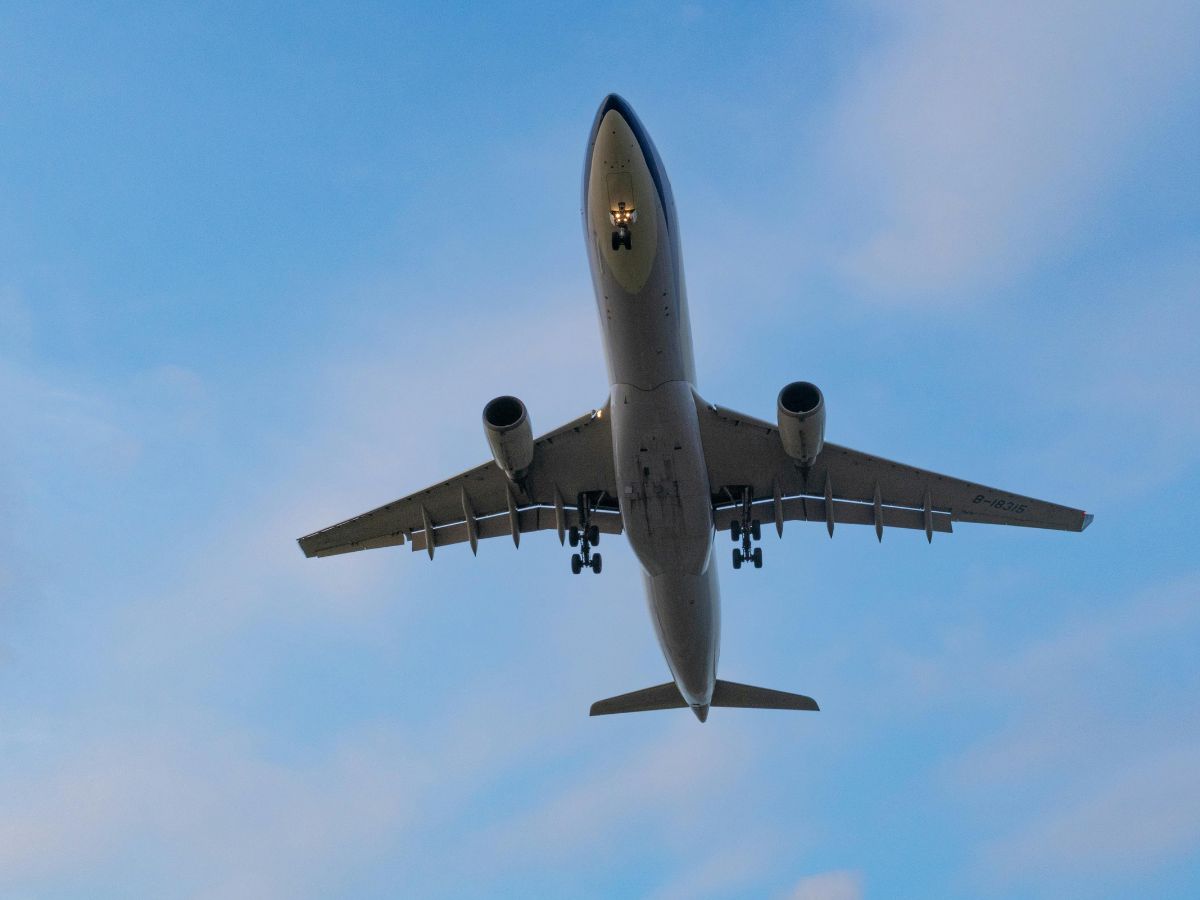
It uses the belly of the aircraft for antennas, whereby cellular towers nearby are connected; therefore, it is suitable for land but not oceans.
Satellite-Based WiFi System
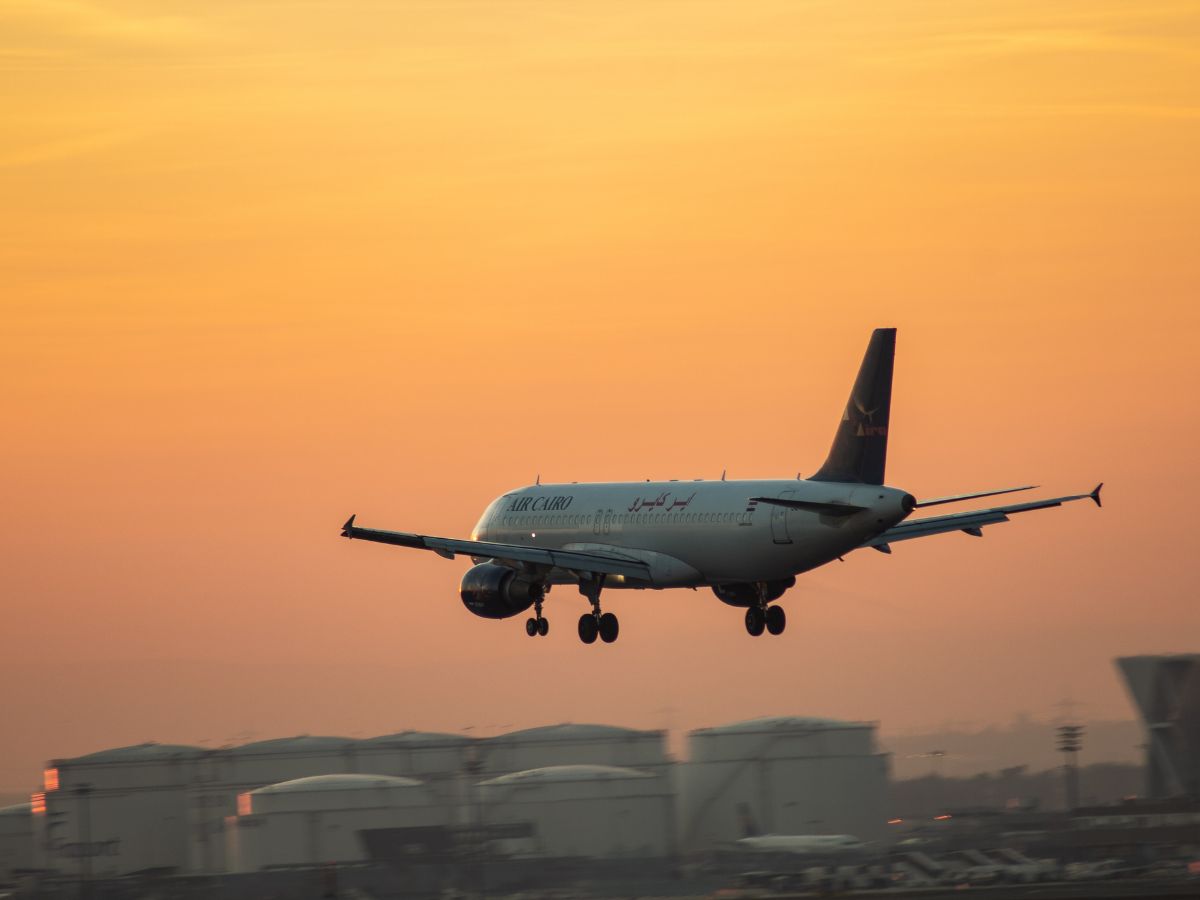
The antennas atop the aircraft link to satellites in orbit, which in turn transfer the data via ground stations, thus granting internet access even over oceans and inaccessible areas.
Onboard Router and Network Distribution
The cabin of the aircraft has the hardware that transforms the signals into WiFi which is then made available to the passengers’ devices across the entire cabin during the flight.

Limitations and Speeds
The different speeds are: air-to-ground has the fastest speed but the shortest range; satellite coverage is broader but with slower speeds and higher prices.




