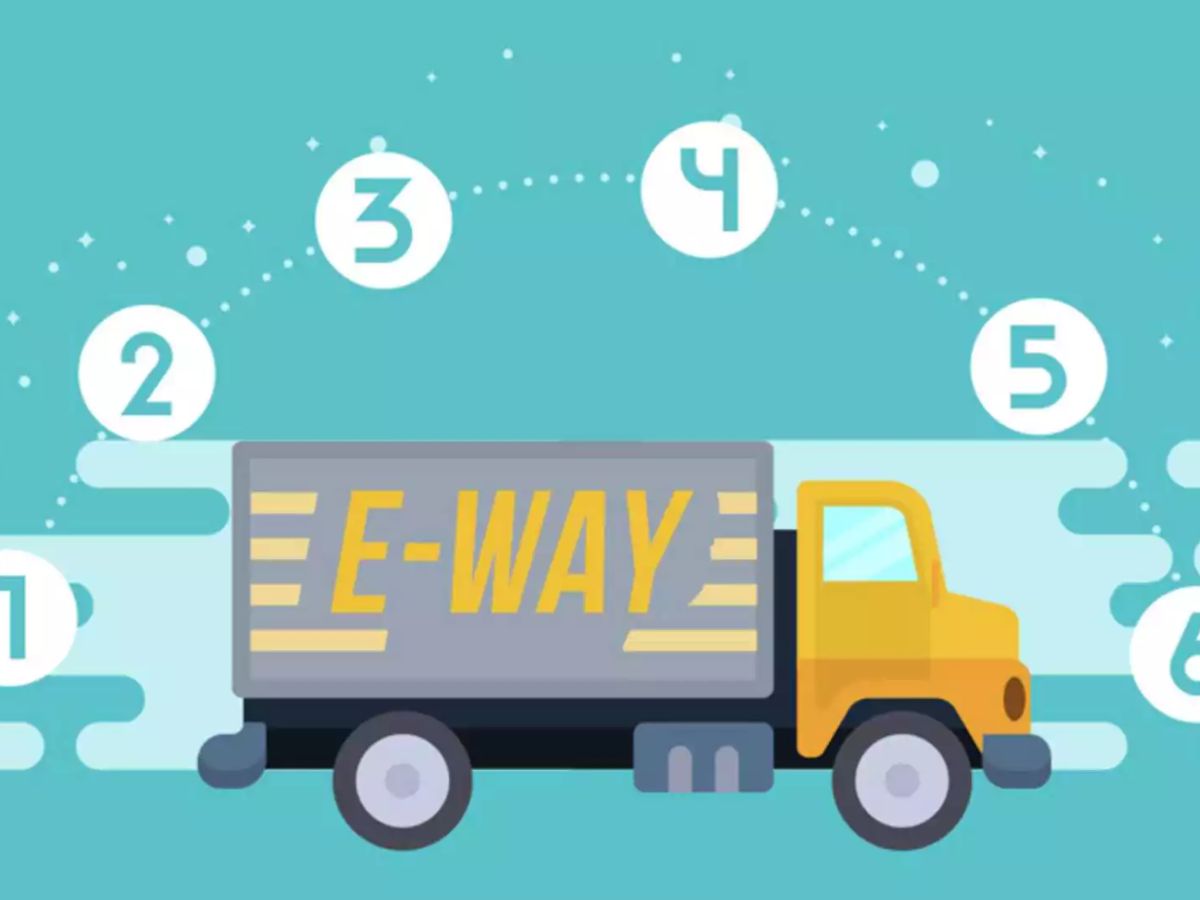
“An E-way bill is a digital document. As per Section 60 of the GST Act, an e-way bill must be generated when transporting goods worth more than Rs. 50,000. This bill includes several details, like the sender, receiver, and transporter of the goods. The e-way bill system reduces paperwork and allows for real-time tracking of goods. Since all the records are created and stored digitally, it also prevents tax evasion. Want to know how these bills are generated? In this article, let’s see who can generate e-way bills and what process must be followed.
As per the GST Act, an e-way bill can be generated by different parties involved in the transportation of goods (depending on their role). Let’s see how it works:
Suppliers who are registered under GST can create an e-way bill for goods they are dispatching. For example,
If the recipient (buyer) is responsible for moving the goods, they can generate the e-way bill instead of the supplier. This ensures the movement of goods is documented properly, no matter who handles transportation.
Transporters (such as logistics companies) can also generate an e-way bill if the supplier or recipient hasn’t done so. They can create an e-way bill using their transporter ID.
Even unregistered individuals (not registered under GST) who are transporting goods can generate an e-way bill by accessing the e-way bill portal. From there, they must:
To generate an e-way bill in the prescribed EWB-01 format, you must follow these steps:
On your web browser, go to the e-way bill portal. Here log in using your GSTIN (GST Identification Number) and password. This is the first step to access the system.
After logging in, find the “”e-way bill”” option in the menu and click on “Generate New.” This will take you to the form for creating a new e-way bill.
Provide important details in Part A of the form, such as:
In Part B of the form, include transportation details like:
Please note that a lot of information entered in Part B will depend on how the goods are being moved.
Review all the details you have entered to ensure they are correct. After verifying, click the “Submit” button to process the information.
Once you submit the form, the system generates a unique e-way bill number (EBN). Save or print this number for use during the transportation of goods.
The e-way bill system has been in force since April 1, 2018. It simplifies the transportation of goods under GST rules by reducing paperwork and transit time. Also, it allows real-time tracking of goods, which benefits all the related parties like sellers, transporters, banks, and NBFCs. As per the current rules, an e-way bill can be generated by any of the following parties:
The generation is simple and can be carried out by visiting the e-way bill portal. Here you have to fill out a form and provide details about the goods, transportation mode, and vehicle. Once the form is submitted, you get a unique e-way bill number. It must be carried during transit to remain compliant.”
Vani Verma is a content writer with over 2 years of experience in lifestyle, entertainment, health and digital media. She has a knack for creating engaging and research-driven content that resonates with readers, blending creativity with clarity. Passionate about media trends, culture, and storytelling, she strives to craft content that informs, inspires, and connects.
IPL 2026: This guide provides a comprehensive breakdown of venues, global streaming platforms, and critical…
IPS Academy BBA Student Lands TCS Job, Spotlight on Robust Campus Placements with 550+ Top Firms.
New Delhi [India], March 25: Bridging classroom visions to corporate horizons, IPS Academy, IBMR North…
The Punisher: One Last Kill premieres in India on May 12, 2026, on Disney+ Hotstar.…
