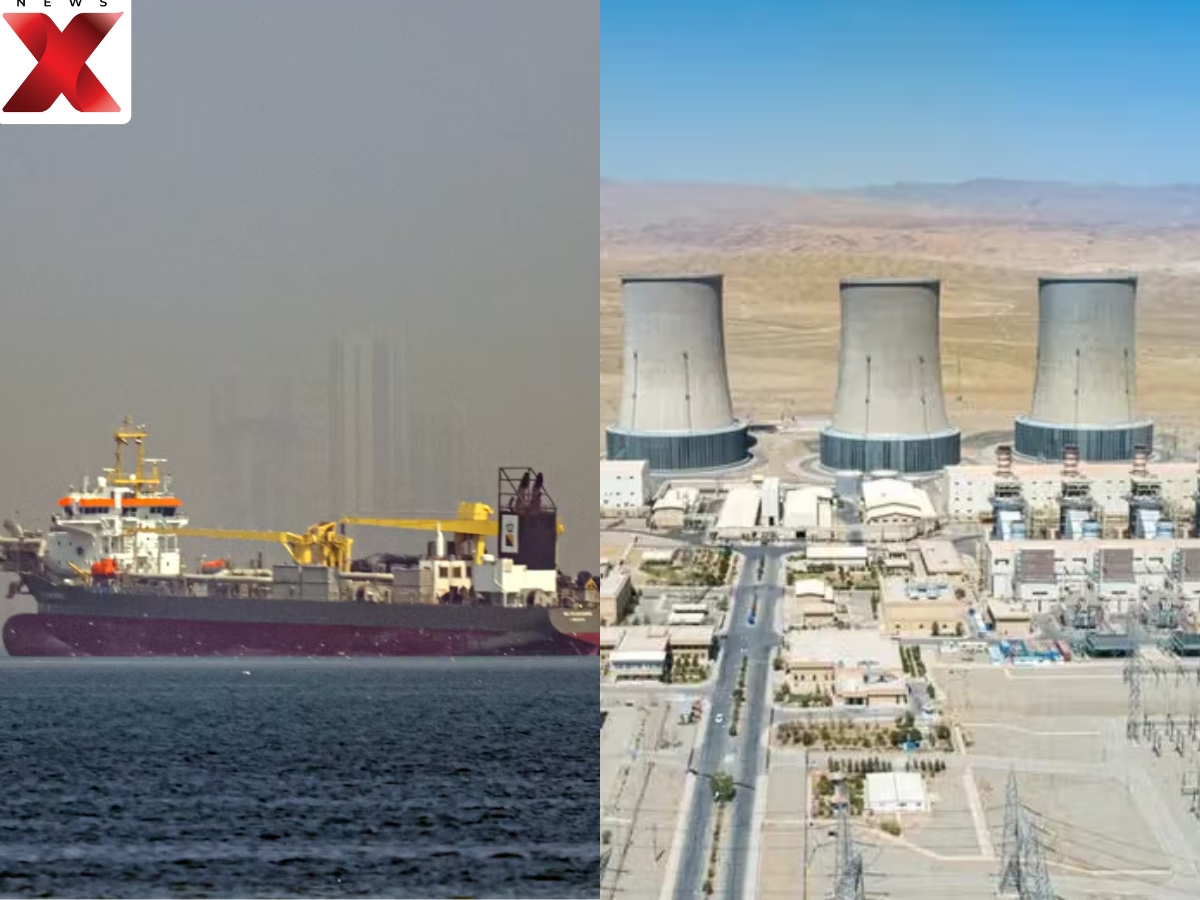
Iran war triggers global energy crisis as Strait of Hormuz closes and oil prices surge. Photos: X.
The ongoing war involving the United States, Israel and Iran is increasingly sending tremors through the global economy, triggering sharp rises in energy prices, threatening food security in poorer nations and complicating the fight against inflation for central banks worldwide.
At the centre of the crisis is the closure of the Strait of Hormuz, one of the world’s most critical energy shipping routes, after USand Israeli missile strikes on February 28 killed Iran’s Supreme Leader Ayatollah Ali Khamenei. Nearly one-fifth of the world’s oil supply normally passes through the narrow waterway, making its shutdown a severe blow to global energy markets.
The war is already driving up oil and fertilizer prices, raising fears of food shortages in vulnerable countries and destabilising fragile economies such as Pakistan.
Economists say the closure of the Strait of Hormuz represents the exact crisis scenario policymakers long feared.
With the key maritime route effectively cut off, global oil prices have surged dramatically, rising from below $70 per barrel on February 27 to nearly $120 early Monday before stabilising closer to $90. The spike has also pushed gasoline prices higher worldwide.
Rather than targeting only the United States or Israel, Iran appears to be expanding the conflict toward Sunni Gulf countries while engineering a broader global energy crisis.
Analysts believe this strategy aims to force US President Donald Trump to retreat under mounting international and domestic pressure.
By creating a severe energy shock, Tehran hopes to shorten the war while ensuring the survival of its ruling clerical establishment.
On Tuesday, US President Donald Trump appeared to respond to the growing global energy crisis triggered by the Iran war, suggesting that the conflict could end soon, a remark analysts viewed as a softer tone compared to his earlier war rhetoric. However, Iran pushed back strongly, insisting that the war would end on Tehran’s terms, not Washington’s. The Iranian leadership also warned that it would not allow “one litre of oil” to be exported from the region if US and Israeli strikes continued.
The war itself shows little sign of easing. The war between the United States, Israel and Iran has entered its 11th day, with the Iranian regime continuing to deploy ballistic missiles and kamikaze drones against U.S. interests across the Middle East, Israel and Gulf nations.
Iran’s Islamic Revolutionary Guard Corps (IRGC) has relied heavily on low-cost drones, some costing as little as $35,000, forcing the United States and its allies to expend missiles worth millions of dollars to intercept them.
The continued deployment of these weapons indicates that Iran has built a large stockpile of conventional ballistic missiles and Shahed-136 drones in preparation for a prolonged conflict.
The use of these stand-off weapons has allowed Iran to sustain pressure on US allies in the Gulf while contributing to the global energy crisis triggered by the closure of the Strait of Hormuz.
Zubair Amin is a Senior Journalist at NewsX with over seven years of experience in reporting and editorial work. He has written for leading national and international publications, including Foreign Policy Magazine, Al Jazeera, The Economic Times, The Indian Express, The Wire, Article 14, Mongabay, News9, among others. His primary focus is on international affairs, with a strong interest in US politics and policy. He also writes on West Asia, Indian polity, and constitutional issues. Zubair tweets at zubaiyr.amin
Piyush Goyal urged India to make its intellectual property approval system among the world’s top…
Marathi influencer and actor Arun Tupe was found dead at his home in Chhatrapati Sambhajinagar,…
The Bhabha Atomic Research Centre (BARC) has started the online application process for Junior Research…
