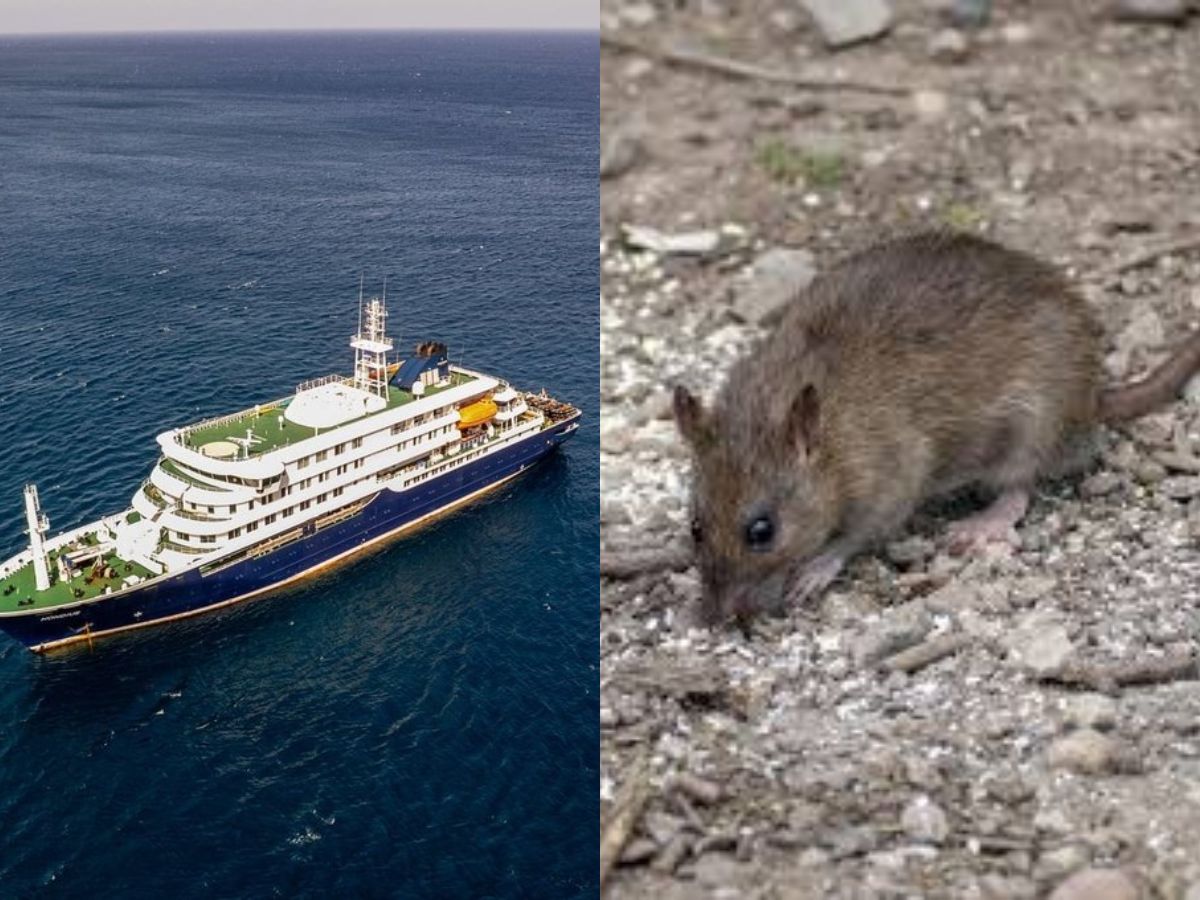
Hantavirus outbreak on a cruise ship (Images: X)
Hantavirus Outbreak Cruise Ship: A suspected hantavirus outbreak cruise ship incident on a luxury vessel off West Africa has raised urgent questions about treatment, as three people have died and several others are unwell. Health officials say there is no specific antiviral treatment for hantavirus, which makes early care critical. Doctors mainly focus on supporting the body while it fights the infection. This includes rest, fluids, and close monitoring. In severe cases, patients may need hospital care with oxygen support or ventilators to help them breathe. As evacuations begin and around 150 passengers remain quarantined, the treatment approach has become central to managing the hantavirus outbreak cruise ship situation.
Despite global concern, the World Health Organization has said the wider risk remains low and advised against panic or travel restrictions. Still, the lack of a direct cure has made the hantavirus outbreak cruise ship more worrying. Patients are treated based on symptoms, especially breathing issues linked to Hantavirus Pulmonary Syndrome, which can turn serious quickly. Early diagnosis is difficult, especially in the first few days when symptoms look like common flu.
As per reports, the Dutch-flagged MV Hondius, operated by Oceanwide Expeditions, has been denied docking rights by Cape Verde as a precaution. The ship, which left Ushuaia in March, had visited remote locations before reaching Cape Verdean waters near Praia when the outbreak was reported. Passengers, mostly from Britain, America and Spain, remain quarantined, while evacuations are underway. Some infected individuals have been hospitalised in Johannesburg.
Reports say that health authorities in South Africa have linked the infection to rodents. What makes the hantavirus outbreak cruise ship particularly concerning is how easily it can spread indoors without people realising it. The virus does not usually spread through bites. Instead, infection happens when tiny particles from rodent urine, droppings or saliva mix with air and are inhaled.
Everyday activities can increase risk. Sweeping dusty rooms, cleaning storerooms, or opening long-shut cabins can release infected particles into the air. Vacuuming or dry sweeping rodent droppings can make things worse by pushing the virus airborne. In a closed environment like a ship, this raises concern in the ongoing hantavirus outbreak cruise ship.
The illness often begins like the flu. People may develop fever, fatigue and body aches between one to eight weeks after exposure. But the condition can worsen within days. According to the Centers for Disease Control and Prevention, symptoms can progress to coughing, shortness of breath and fluid build-up in the lungs, which can quickly become life-threatening.
Reports say that, Hantavirus belongs to a group of viruses that affect either the lungs or kidneys. The lung-related form, known as Hantavirus Pulmonary Syndrome, is more dangerous and has a fatality rate of around 40%. Though cases are uncommon globally, around 200 are reported each year, mostly in North and South America.
As per reports, since there is no way to cure the disease, preventing infection from happening is paramount. Experts agree that buildings should remain rodent free. Proper cleaning protocols must be followed e.g., no dry sweeping of or vacuuming up rodent droppings. Reducing risk of inhaling virus particles may also be accomplished by using safer methods of cleaning versus the use of dry sweeping or vacuuming.
Also Read: 6 Fruits to Be Careful With in Summer: Health Risks, Side Effects & Safety Tips
Khalid Qasid is a media enthusiast with a strong interest in documentary filmmaking. He holds a Master’s degree in Convergent Journalism from AJK MCRC. He has also written extensively on esports at Sportsdunia. Currently, he covers world and general news at NewsX Digital.
India And Japan Reinforce Strategic Partnership, Pledge Deeper Bilateral Cooperation
Foreign Secretary Vikram Misri met Takayuki Kobayashi, Chairperson of the Policy Research Council of Japan’s…
BJP bags 3 seats in Kerala, breaking into key regions as Rajeev Chandrasekhar leads a…
West Asia Tensions: UAE Activates Air Defences As Iran Launches Missile And Drone Attacks
UAE said its air defence systems were actively responding to missiles and drones launched from…
