

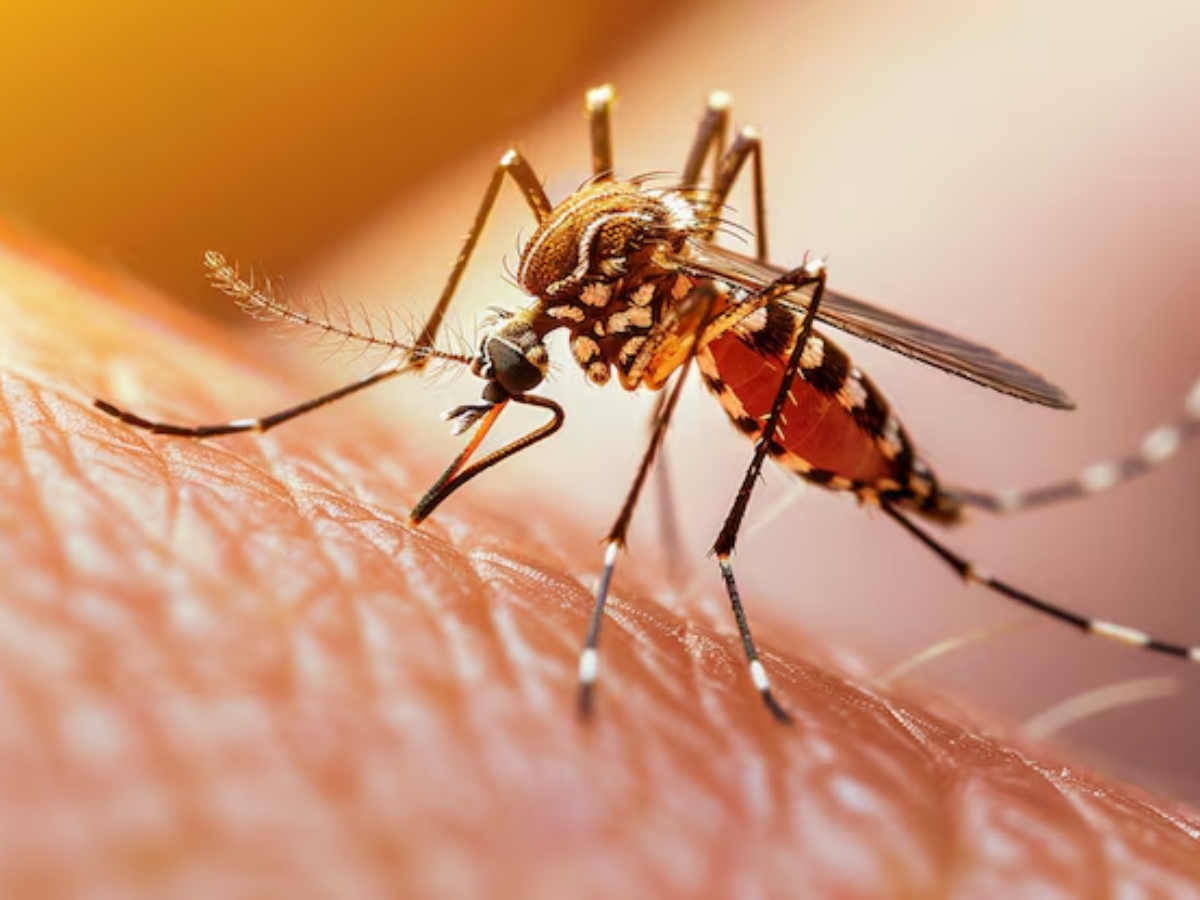
Malaria continues to remain a significant public health concern, especially in tropical regions like India. While awareness has improved over the years, several misconceptions about how malaria spreads and how it can be prevented persist. These myths can lead to inadequate protection and delayed action, increasing the risk of infection.
Understanding Malaria Transmission
Malaria is caused by parasites that are transmitted to humans through the bite of infected female Anopheles mosquitoes. A common myth is that malaria spreads through direct contact with an infected person, contaminated food, or water.
Fact: Malaria does not spread from person to person through casual interaction. The only mode of transmission is through the bite of an infected mosquito.
Dr. Ajay Agarwal, Chairman, Fortis Hospital, Noida clears common misconceptions around Malaria transmission and prevention.
Myth 1: Home remedies can prevent mosquito bites
Many people believe that consuming certain foods or using traditional remedies can keep mosquitoes away.
Fact: There is no scientific evidence to support these claims. Relying solely on such methods can create a false sense of security. The most effective protection comes from using clinically tested mosquito repellents that are designed to provide reliable defense against bites.
Myth 2: Mosquitoes breed only in dirty water
It is widely assumed that mosquitoes only breed in polluted or stagnant water bodies.
Fact: Mosquitoes can breed in even the smallest amounts of clean water. A bottle cap, an AC tray, a flowerpot, or an unused container can serve as breeding ground. This makes household vigilance extremely important.
Myth 3: Mosquito nets are outdated
With modern housing and appliances, many people consider mosquito nets unnecessary or old-fashioned.
Fact: Insecticide-treated mosquito nets remain one of the most effective tools in preventing malaria. They provide a physical and chemical barrier against mosquito bites, especially during nighttime when mosquitoes are most active.
The Three Pillars of Prevention
At the hospital, we emphasize a “defense-in-depth” approach—simple strategies that can be easily implemented at home:
• Chemical Barriers: Use safe and approved mosquito repellents for personal protection, especially during peak mosquito activity hours.
• Environmental Discipline: Conduct a weekly “water audit” at home. Ensure there is no stagnant water in coolers, AC trays, flowerpots, or any containers.
• Physical Shielding: Use mosquito nets, particularly for children, the elderly, and individuals living in high-risk areas.
Malaria prevention is not complicated, but it does require consistency and awareness. By moving away from myths and adopting scientifically proven preventive measures, we can significantly reduce the risk of infection.
Equally important is early recognition of symptoms such as fever, chills, headache, and fatigue. Seeking timely medical care can prevent complications and ensure faster recovery. Building awareness at the community level is essential. When individuals take responsibility for prevention, it creates a collective shield against malaria, protecting not just one household, but the entire community.
ALSO READ: Rihanna’s Spiritual Avatar In Mumbai: Puja, Aarti And Phoolon Ki Holi With Ambani Family
Olivia Sarkar is a Senior Content Producer on the Entertainment and Lifestyle desk with 6 years of experience. In 6 years, she worked with ANI, IANS, Zee News. Known for covering trends and engaging storytelling, she covers a wide spectrum of topics including entertainment news, fashion, fitness, health, food, travel, astrology. From major film announcements to industry controversies. Throughout her career, she has interviewed several notable personalities such as Femina Miss India World 2022 Sini Shetty, Miss World 2024 USA contestant Victoria DiSorbo, Miss France 2020 Clémence Botino.Her interview portfolio also includes celebrities like Milind Soman, Tiger Shroff, and Vikrant Massey, along with acclaimed singers Shubha Mudgal and Padma Shri awardee Dr. Jaspinder Narula. Beyond work, Olivia enjoys exploring new food joints, being wanderlust, and writing poetry. You can reach her out on X: @OliviaSarkar11





