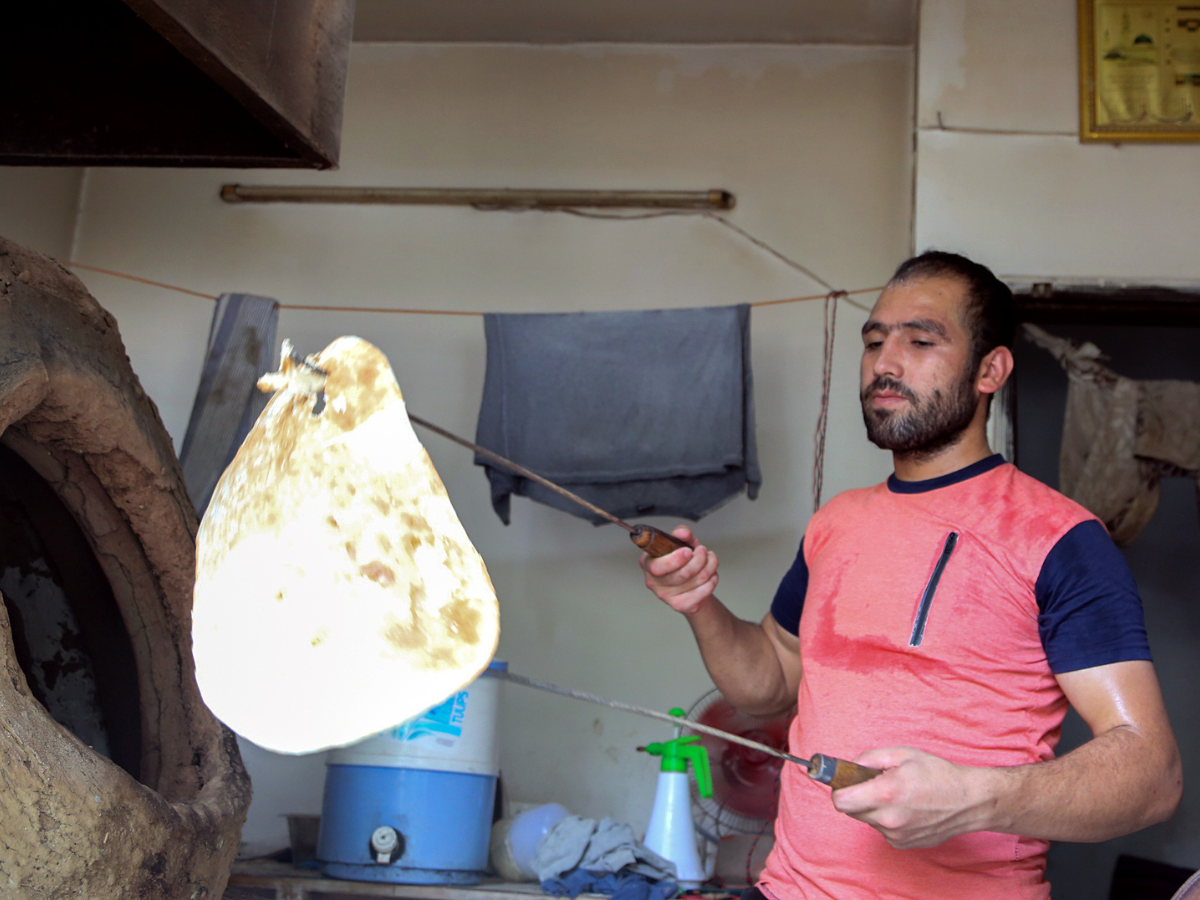
The Delhi government imposes a tandoor ban under GRAP to tackle rising air pollution. (Image: ANI)
The air pollution in Delhi is worsening each passing day, and the air quality index consistently remains in the severe range. With the winter setting in, the smog looks more disturbing to the public eye. Authorities have launched several measures to counter the crisis, aimed at reducing local emissions. One such measure is the Graded Response Action Plan (GRAP).
A key move under GRAP is the order of the ban on traditional coal- and firewood-fired tandoors. The Delhi Pollution Control Committee (DPCC) has ruled that all commercial establishments need to switch to electric or gas-based tandoors or to any other clean-fuel options in order to comply with the city’s anti-pollution drive.
Under this ban, the hotels, restaurants, dhabas, and street food stalls are directed not to burn anything in the open, including garbage. The ban is being enforced under the Air (Prevention and Control of Pollution) Act, 1981, and the GRAP directives to help reduce the rising particulate emissions.
The Delhi government is also coming down heavy on any activity that might contribute to pollution. Officials have been directed that anyone caught burning garbage, leaves, plastic, rubber, or other waste in the open can be fined up to ₹5,000. Municipal bodies, including MCD and district administrations, have been authorized to enforce these fines.
The tandoor ban might be too little, and Delhi is known for its rich food. One thing that goes across all the foods is the tandoori roti; whether you prefer it with butter or not, people do like it for the smoky flavor that the tandoor brings. Tandoori roti has been made in LPG tandoors, but food connoisseurs really like the traditional tandoor roti; in this case, the only hope is that the air quality improves and that the pollution levels come down so that the ban is lifted.
At the same time, the governor and government officials have stressed the importance of the public’s cooperation. Delhi CM Rekha Gupta wrote on X, “We humbly request all citizens not to burn waste in the open. Your small cooperation can bring about a big change.”
The combination of different strategies to tackle the worsening air quality also includes wider GRAP measures to control pollution, such as vehicle restrictions, construction bans, and advisories for people and groups who could be more vulnerable. More stringent GRAP stages (like GRAP-3 and GRAP-4) will appear on and off, depending on the air quality, as the core objective is to reduce pollution sources in the peak winter.
The air pollution crisis saw community protests and heated discussions about its health impact and the role of the government in reducing the thick smog and visibility. The breathing difficulty for Delhi residents has been a central topic for a lot of debates.
Delhi’s latest pollution control measures combine a ban on coal/firewood tandoors and strict fines for open burning with wider GRAP restrictions, aiming to cut emissions rapidly and protect public health.
Also Read: Dense Fog In Delhi: AQI Hits 452, Severe Smog Disrupts Flights And Daily Life
Union Budget 2026 Live: The government’s flagship women empowerment initiative, the Lakhpati Didi Yojana, received…
Union Budget 2026: What Was The Duration Of Finance Minister’s Nirmala Sitharaman Speech?
FM Nirmala Sitharaman presented her ninth Union Budget on February 1, 2026, speaking for 1…
Finance Minister Nirmala Sitharaman announced plans to build a girls’ hostel in every district and…
