
This content is for informational purposes only and not medical advice. Always consult a healthcare professional before making dietary changes, especially if experiencing persistent cravings or related health issues.
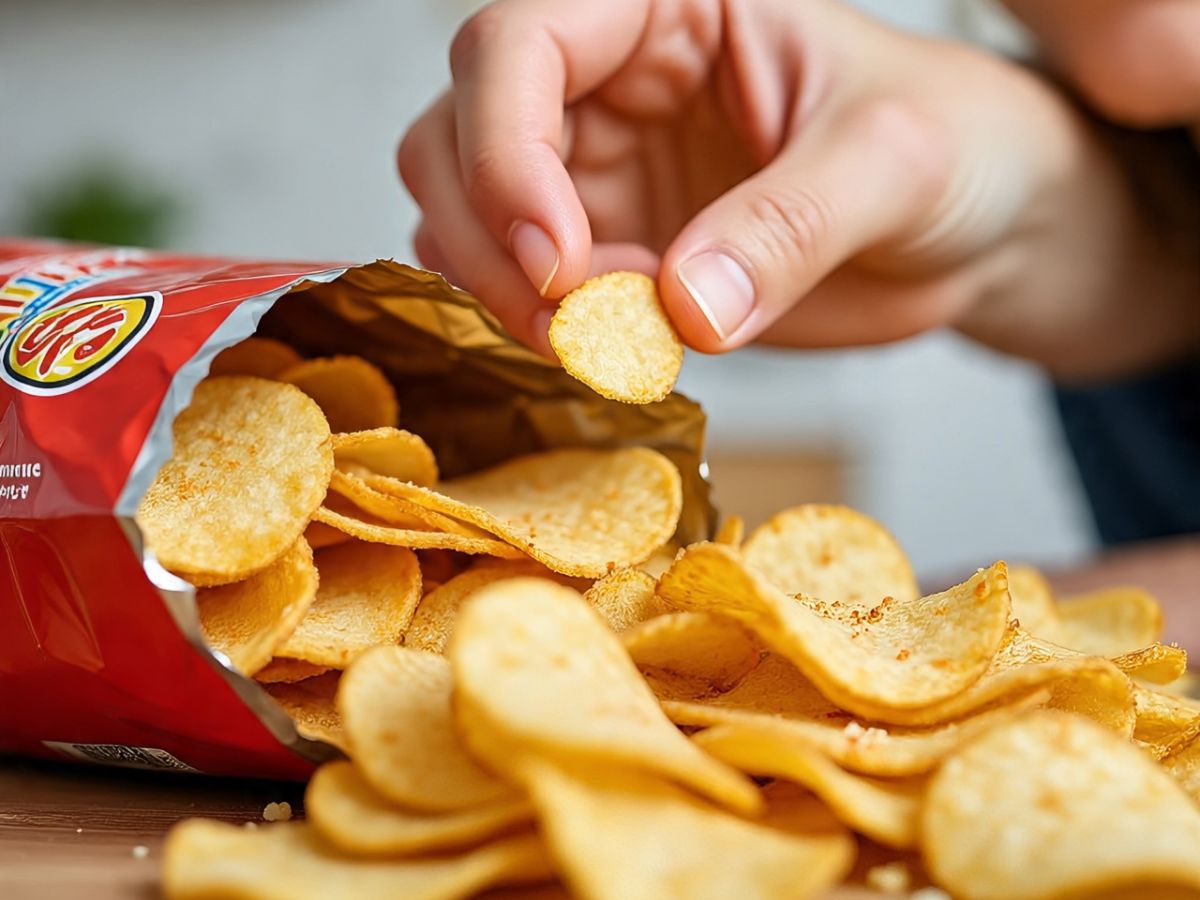
What is the human craving for junk food? The “secret science” of junk food cravings consists of the systematic and dynamic interplay between brain chemistry and evolution and the clever engineering of food products.
For example, junk foods also have high levels of metabolic sugar, fat, and salt. This ultimately activates pleasure centers of the brain and releases dopamine – which is associated with the ‘feel-good neurotransmitter’. Activating dopaminergic neurons will create rewarding feelings that naturally activates cravings from noticing junk food. Repeatedly activating the dopaminergic system from these foods activates a natural cycle of cravings that increases junk food ingestion. The engagement of the system for repeated times creates a neurochemical loop that leads to enhancing junk food addictions much further beyond preference or taste.
Human brains evolved while food shortages prevented regular consumption of energy, which encouraged our search for energy-dense nutritional sources (sugars for short-term fuel and fats for long-term fuel) and continue to adopt evolutionarily consistent behaviors to increase energy reserves. The hyper-concentration of sugar, fat, and salt that processed junk foods exhibit represents exploitative use of these ancient instinctual mechanisms that regulate the human capacity to manage and regulate energy intake.
Stress and emotions increase cravings for junk foods as the brain seeks comfort and an instant boost of positivity or newness. Psychological habits, social situations, and marketing can also reinforce the impulse for “hyper-palatable” foods. Moreover, food companies create products with optimal combinations of salt, fat, and sugar designed to be easily consumed foods, along with textures, colors, and tastes that maximize the chance of a food addiction.
Hormones like ghrelin signal the body that it is hungry and hormones like leptin signal the body that it is done eating. When one consumes an ultra-processed diet all the time it may lead to leptin resistance, and cravings for foods that trigger more of a dopamine release in the brain for pleasure than natural foods suppresses the feeling of fullness. This imbalance creates more cravings and opened regulatory cracks in the natural appetite system.
Craving junk food is not just a pure will-power issue, its biological and psychological engineering. Fully understanding all of the hidden mechanics will bring better strategies for eating better and breaking the craving cycle for a long lasting experience of health and wellness.
Vani Verma is a content writer with over 2 years of experience in lifestyle, entertainment, health and digital media. She has a knack for creating engaging and research-driven content that resonates with readers, blending creativity with clarity. Passionate about media trends, culture, and storytelling, she strives to craft content that informs, inspires, and connects.
AO 2026: Carlos Alcaraz bounced back from a set down to defeat Novak Djokovic and…
FM Nirmala Sitharaman says 21st century driven by tech will benefit common man; hits back…
India on Sunday rejected Pakistan’s claims linking it to violence in Balochistan, calling the allegations…