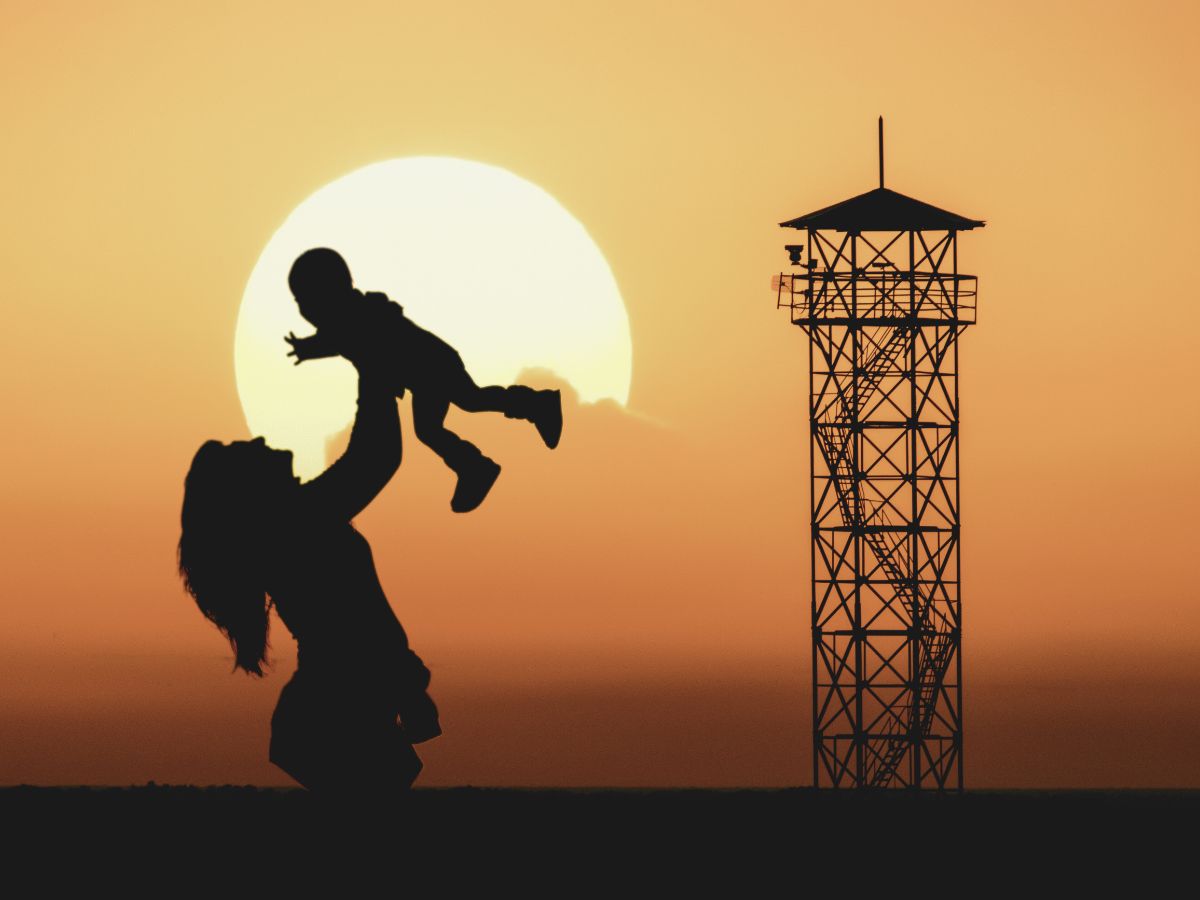
Mothers observe Jivitputrika Vrat with devotion, praying for their children’s long life (Photo: Canva)
Jivitputrika Vrat, or Jitiya Vrat, is one of the major Hindu fasts that mothers keep for the longevity and prosperity of their children. This is a highly religious festival and culturally significant in Bihar, Jharkhand, Uttar Pradesh and also celebrated in Nepal with enthusiasm.
According to the Hindu calendar, Jivitputrika Vrat falls on Krishna Paksha Ashtami of the Ashwin month. In 2025, Jivitputrika Vrat will be observed on: Jivitputrika Vrat (Jitiya Vrat) Date: Sunday, September 14, 2025 Ashtami Tithi (date) Begins: 05:04 AM on September 14, 2025 Ashtami Tithi (date) Ends: 03:06 AM on September 15, 2025 Therefore, Jivitputrika Vrat 2025 will fall on September 14.
Jivitputrika Vrat is a nirjala fast (no food and no water) and represents the limitless sacrifice and devotion of mothers. Jivitputrika vrat represents the parental love, penance, and devotion a woman makes in prayer for her children, invoking good health and longevity, gaining prosperity and success on all things at hand, and for their children to be free of all catastrophes.
The fast is also referred to in the Hemadri Granth as Putriya Vrat. It is more than just a religious practice, it is a spiritual practice that enhances the emotional relationship between mother and child.
The Jivitputrika Vrat rituals are done with devotion and discipline:
On Krishna Ashtami, daily rituals are performed and holy bath is taken by women.
Special puja is performed of Lord Vasudeva, with ghee and kheer offerings.
Women who wish to have sons historically consume fruits with masculine names like banana, guava, custard apple, and melon.
Women who wish to have daughters eat fruits with feminine connotations like orange, pomegranate, star fruit, and jamun.
Mothers undergo the vrata with unwavering loyalty apprenticing that the children will achieve longevity, wealth, and luminosity.
In states like Bihar, UP, Jharkhand, and Nepal, jitiya vrata is a tradition that has existed as a cultural and religious practice for generations. It exemplifies the resilience of women’s devotion, their fervor, and the way women preserve family and religious values.
In undergoing this vrata mothers believe they are protecting children from sickness, sorrow, and early death; mothers also become spiritually strong and disciplined.
ALSO READ: Shardiya Navratri 2025: What Is The Starting And Closing Date Of This Festival And Other Aspects?
Sofia Babu Chacko is a journalist with over five years of experience covering Indian politics, crime, human rights, gender issues, and stories about marginalized communities. She believes that every voice matters, and journalism has a vital role to play in amplifying those voices. Sofia is committed to creating impact and shedding light on stories that truly matter. Beyond her work in the newsroom, she is also a music enthusiast who enjoys singing.
Union Bank of India announces senior management shake-up. Shri Sarvesh Ranjan promoted to Chief General…
Tecno Mobile is preparing to launch Camon 50 and Camon 50 Pro, spotted on listings…
Mary Kom Breaks Silence: Responds to Shocking ‘Didn’t Earn a Single Rupee’ Comment About Ex-Husband
Mary Kom addressed backlash over her comment about ex-husband K. Onler Kom, explaining it stemmed…
