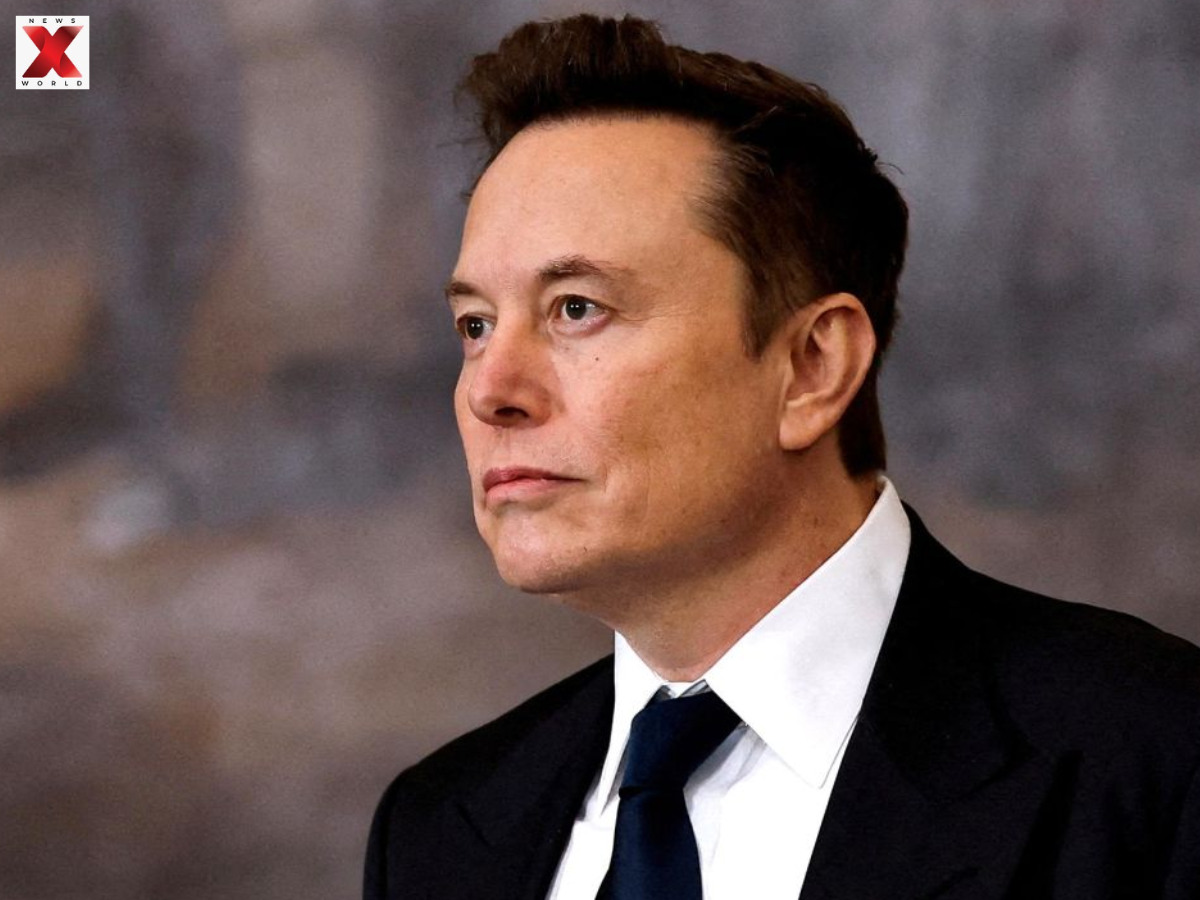
Elon Musk flags a global shift as India and China power nearly half of world GDP growth. (Photo: X)
Elon Musk’s brief observation that “the balance of power is changing” has highlighted an underlying truth about the economy that has been evident to economists and policymakers for years.
Using linked projections of global growth from the IMF, Musk highlighted the way in which India and China are coming to the fore as the driving forces of global economic growth, and the way in which the economic center of gravity is shifting away from the traditional transatlantic powers and towards Asia and the Global South.
The projections for 2026 show that China and India combined are set to account for almost 44% of the world’s real GDP growth. China alone is set to account for 26.6% of global growth, while India is set to account for 17%.
In contrast, the US is expected to account for 9.9%, while Germany is set to account for a mere 0.9%. These figures underscore the fact that the pace of global growth is increasingly being driven outside the West, even as the US and the West continue to lead in finance, technology, and trade.
The Asia/Pacific region is set to account for about half of global economic growth, which is a reflection of the fact that the global order is being transformed by the demographic weight, pace of urbanization, and growth rates of emerging economies.
The advanced Western economies are facing the problem of aging populations and slowing economic growth, which is leading to a reduction in their share of new growth.
The IMF’s World Economic Outlook, as of October 2025, expects India to grow at 6.6% in 2025-26, which is the fastest growth rate among the major economies, ahead of China’s expected 4.8% growth rate. However, it is important to note that comparisons between India and China have to be made with caution.
China’s economy, projected to reach $19.23 trillion by 2025, remains far larger than India’s projected $4.19 trillion. Despite this difference in scale, both countries have become central to the rise of the Global South and the future direction of global growth.
What makes this shift particularly interesting is the contrast in how the two economies expand. China’s rise since the late 1970s has been powered by state-led industrialisation, export-driven manufacturing, and massive investments in infrastructure.
India’s growth story, especially over the past decade, has been shaped more by domestic consumption, services, and a rapidly expanding digital economy.
Nearly 70% of India’s GDP is driven by consumption, with household spending accounting for about 61%. In China, household consumption contributes roughly 40% of GDP. India’s model has been strengthened by financial inclusion, digital payments, and platforms such as UPI and India Stack, which have brought millions into the formal economy and lowered transaction barriers. This has turned India into an increasingly important consumer market and a potential global demand anchor.
China, meanwhile, faces the challenge of rebalancing its economy toward domestic demand after decades of investment-heavy growth. Reforms aimed at boosting wages, expanding social security, and easing hukou restrictions will be crucial in reducing precautionary savings and encouraging spending.
These economic trends carry major geopolitical implications. Growth often translates into greater political influence and strategic leverage.
As India and China consolidate their positions as primary drivers of global expansion, their voices in international institutions and global governance debates are likely to grow stronger.
Musk’s comment, though brief, captures a profound transformation underway in the global economy. The post-pandemic world has accelerated a shift that was already in motion.
With ageing demographics slowing the West and rising consumer bases energising the Global South, the centre of global economic activity is moving eastward.
Whether through China’s industrial strength or India’s consumption-led momentum, Asia is increasingly at the heart of global GDP growth, marking a new economic reality.
Sofia Babu Chacko is a journalist with over five years of experience covering Indian politics, crime, human rights, gender issues, and stories about marginalized communities. She believes that every voice matters, and journalism has a vital role to play in amplifying those voices. Sofia is committed to creating impact and shedding light on stories that truly matter. Beyond her work in the newsroom, she is also a music enthusiast who enjoys singing.
India Post GDS Recruitment 2026: The Department of Posts has officially issued the long-awaited notification…
Kolkata (West Bengal) [India], January 31: Children’s Book Trust,, a New-Delhi based, India’s pioneering non-profit…
Google says it has dismantled a massive proxy network run by Chinese firm Ipidea, cutting…
