
Kargil Vijay Diwas: The Unsung Bravery We Must Never Forget
The 1999 Kargil War was a war between India and Pakistan after Pakistani troops crossed into Indian posts on the Line of Control along the Kargil district in Jammu and Kashmir. India regained the key heights in Operation Vijay with fierce fighting at high altitudes. Over 500 Indian troops were martyred. Though heroes like Captain Vikram Batra were awarded household names, others like Captain Anuj Nayyar, Major Padmapani Acharya, and Squadron Leader Ajay Ahuja were equally very courageous. Grenadier Yogendra Singh Yadav and Rifleman Sanjay Kumar such men went against death to achieve the goal of victory. Their sacrifice is etched into India’s pride and memory, ensuring such brave men are never forgotten.
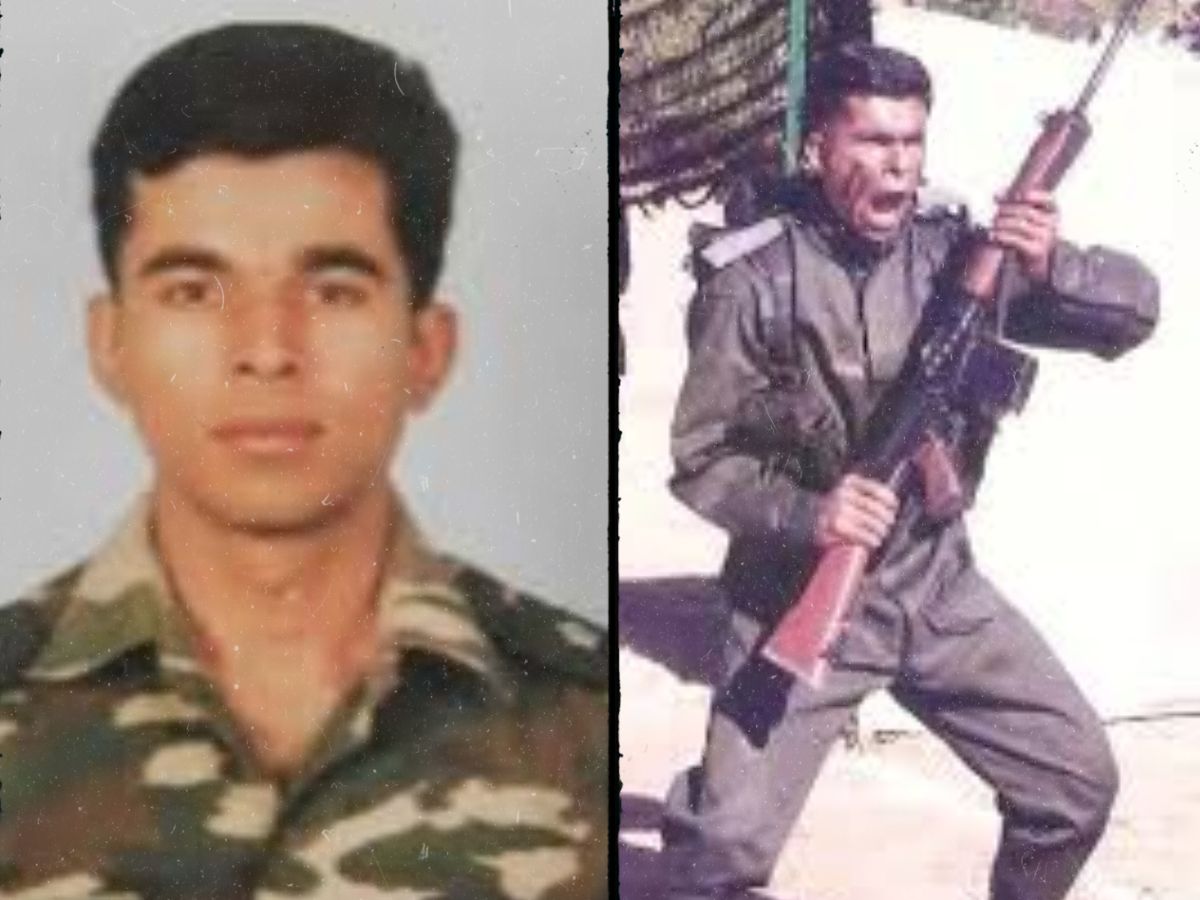
Captain Anuj Nayyar (13 JAK Rifles)
Late 24-year-old Captain Anuj Nayyar displayed unparalleled bravery when his company was attacked by the enemy at Pimple II complex in the Drass sector. When his company was heavily fired upon by the enemy, he led from the front, destroying the enemy bunkers and eliminating numerous Pakistani soldiers. Unsupported and unperturbed, he continued to lead from the front and was martyred by an enemy grenade. His courage ensured the capture of the key position. He was posthumously decorated with the Maha Vir Chakra for his bravery.
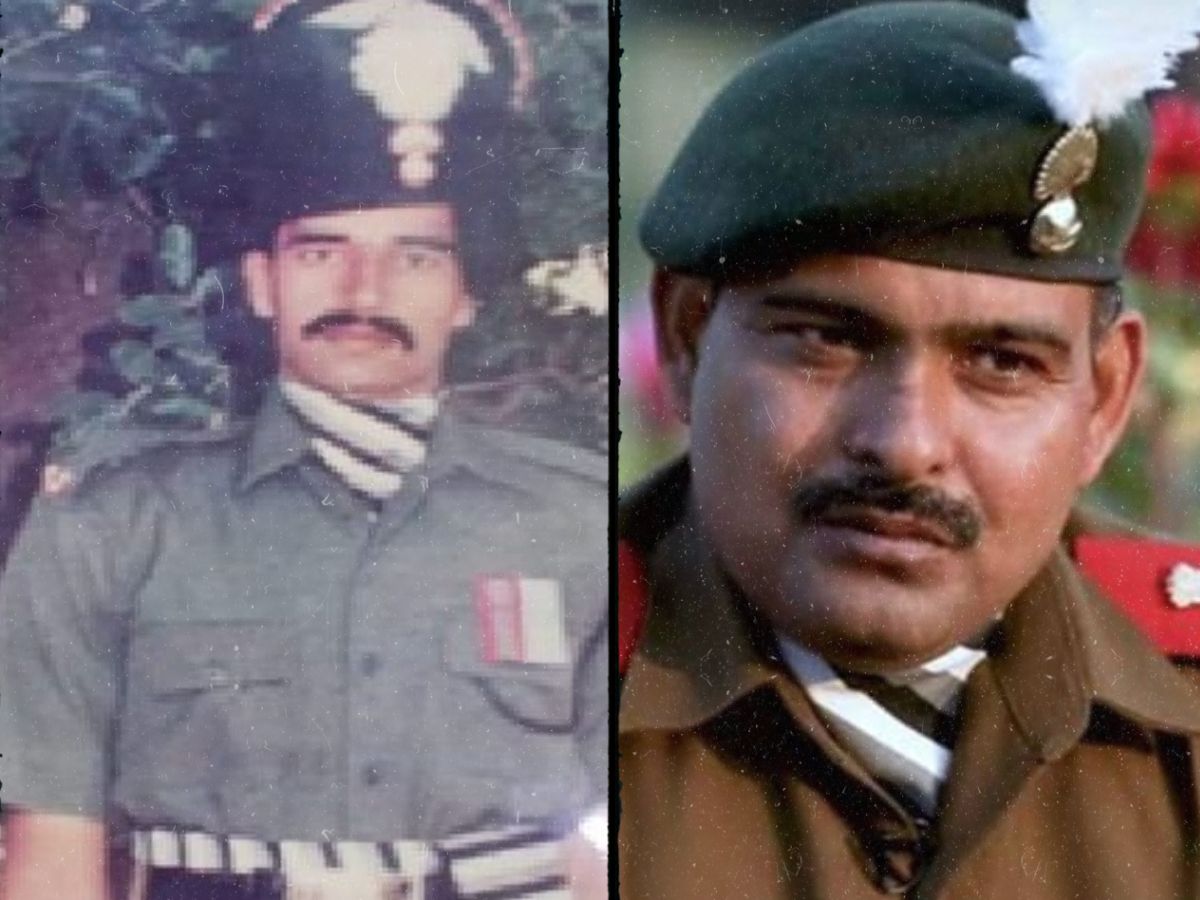
Grenadier Yogendra Singh Yadav (18 Grenadiers)
An 18-year-old youngster, not yet 19, Grenadier Yogendra Singh Yadav was the personification of raw courage and gallantry.
When his company was attacking Tiger Hill, he on his own volunteered to ascend a vertical wall of a hill under heavy fire from the enemy to procure ropes for his company. Shot again and again in shoulder and leg, he still went on and took out enemy bunkers single-handedly at the top. His brave action altered the fortunes of the battle. He lived against odds and was posthumously awarded the Param Vir Chakra—India's highest gallantry award.
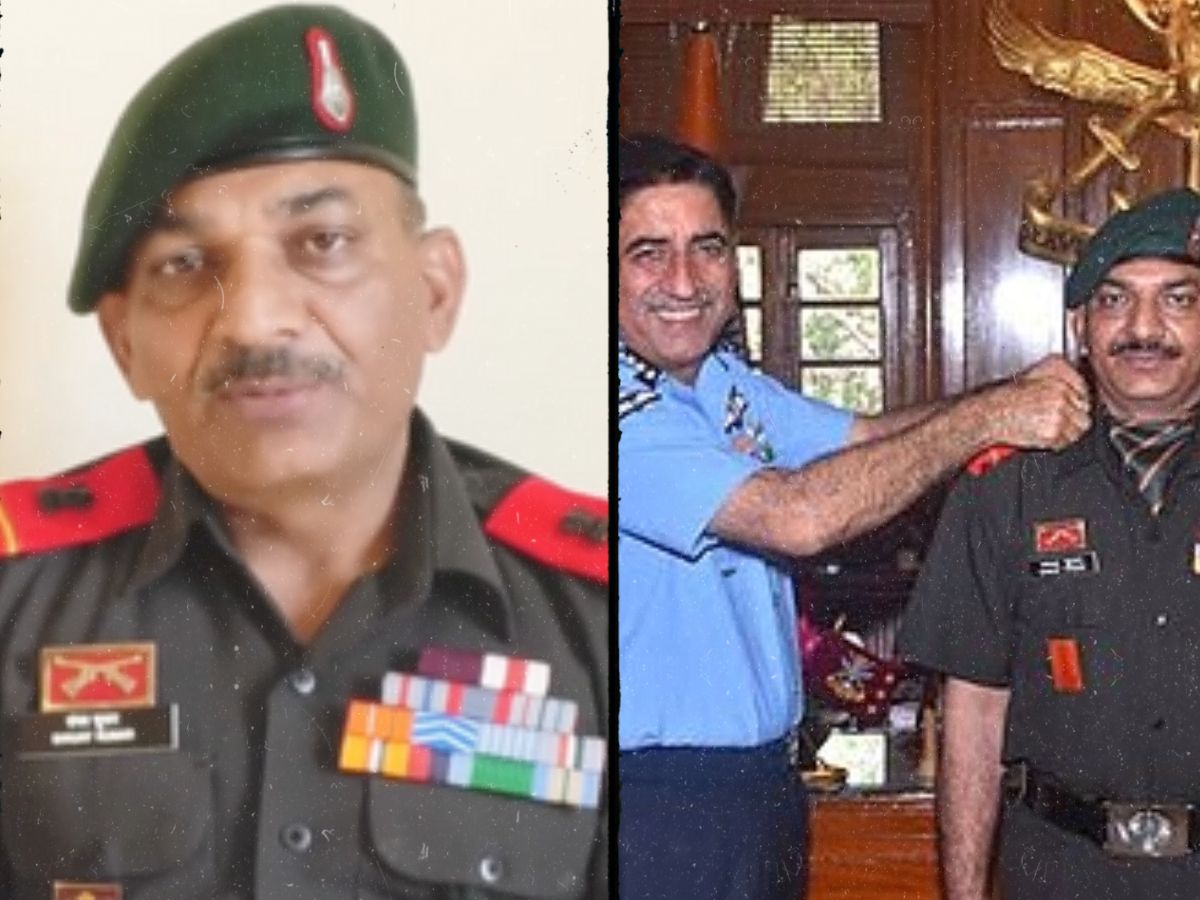
Rifleman Sanjay Kumar (13 JAK Rifles)
Rifleman Sanjay Kumar's gallant one-man attack up a well-held hill at Point 4875 is to this day one of the best war tales.
Despite being twice wounded, he led single-handed into Pakistan bunkers and killed several Pakistani soldiers in hand-to-hand combat. His act of gallantry opened the way for his battalion to advance further. For his unwavering courage and rock-like gallantry, he was posthumously awarded the Param Vir Chakra, one of the very few living recipients of the award.
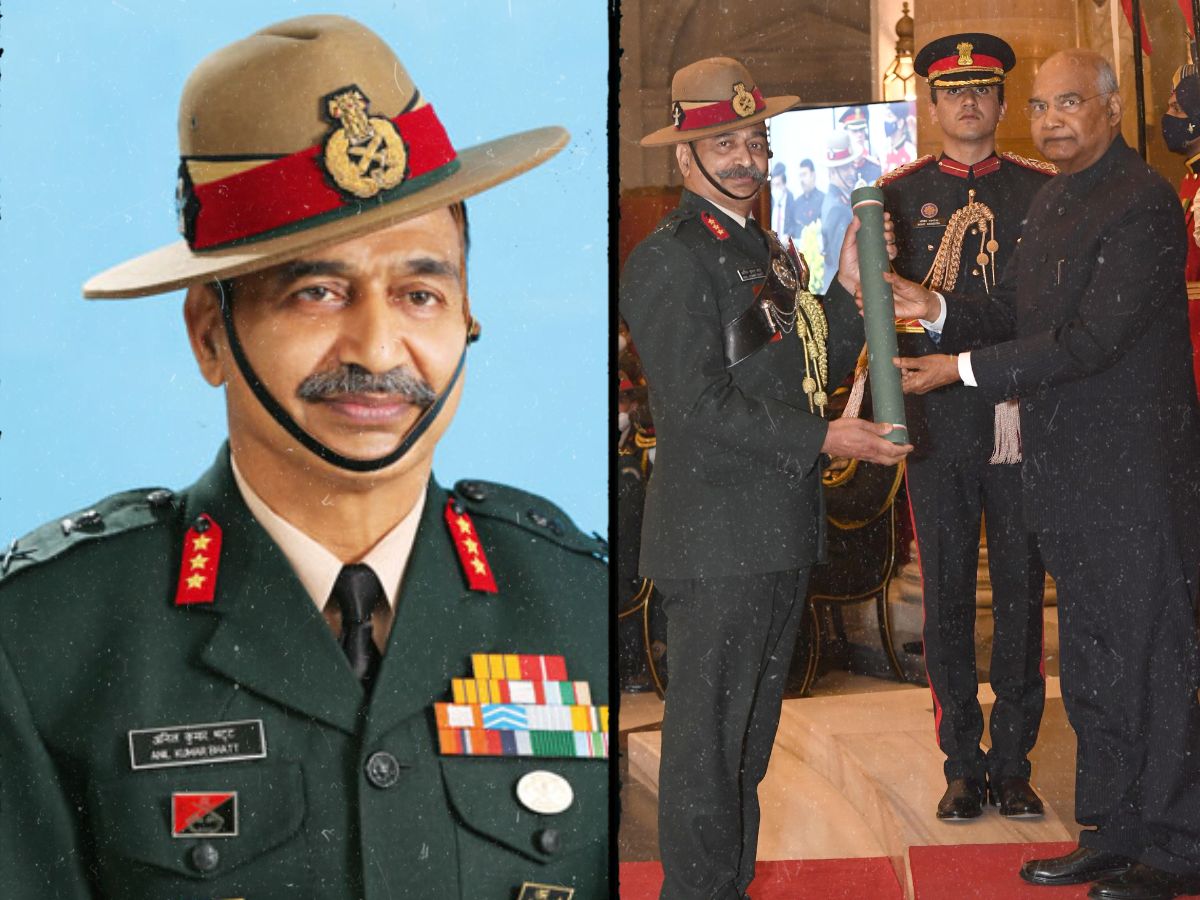
Lieutenant Anil Bhattacharya (13 JAK Rifles)
Far too often eclipsed by the sheen of fame over Captain Vikram Batra, Lt. Anil Bhattacharya was a man who spoke little but was an unflappable rock-solid warrior who contributed immensely towards many operations, like Tololing and Point 5140. A part of Batra's group, his fieldcraft understanding and ground-level leadership kept the momentum going in high-risk attacks. Unnoticed by the world, yet highly valued by friends for being thoughtful and calculating as a fighter.
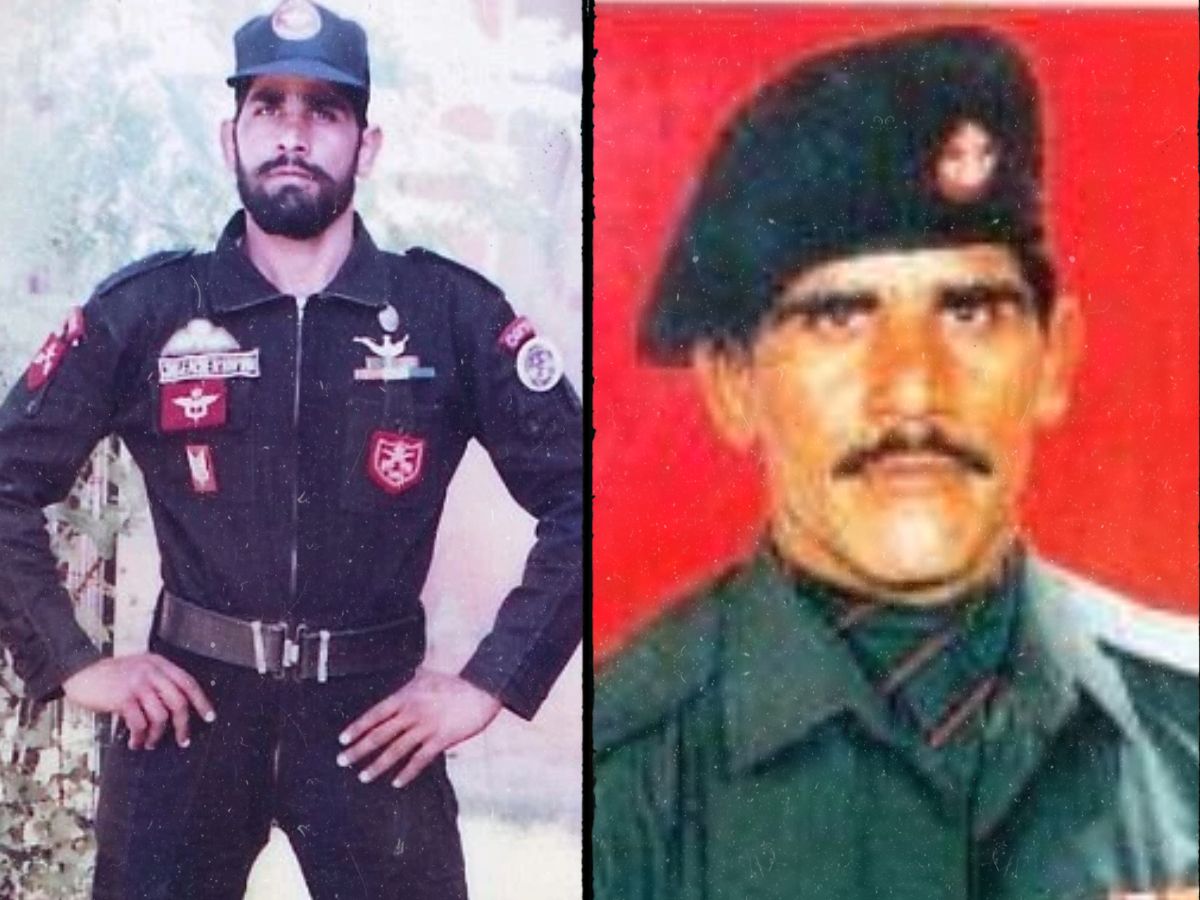
Naik Digendra Kumar (2 Rajputana Rifles)
Captain Digendra Kumar led his company during the perilous push to Tololing Top.
Fighting through blistering machine gun fire, he moved forward, drawing the enemy fire and opening up a route for the rest of the company. Despite being wounded repeatedly, he did not withdraw, but kept firing until the position was captured. His act directly resulted in one of the war's first and greatest victories. He was awarded the Maha Vir Chakra for gallantry.
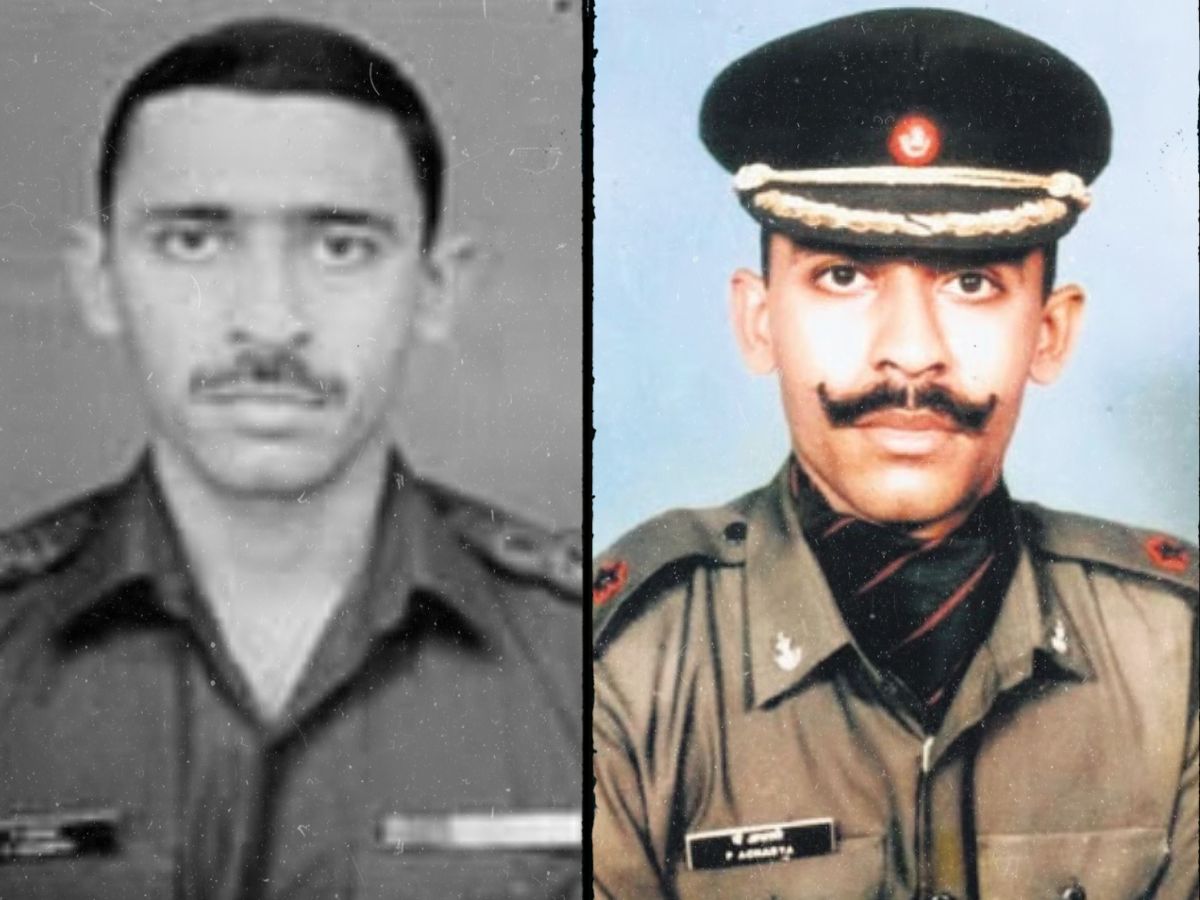
Major Padmapani Acharya (2 Rajputana Rifles)
Senior Padmapani Acharya was born to command and his final operation at Tololing left an indelible mark.
He led his men through withering enemy fire, motivating them though he was grievously wounded. Reluctantly, he continued to issue orders till the task was completed. His final letter to his family, sprinkled with humility, patriotism, and love, is a poignant reminder of the soldier's heart. He was posthumously awarded the Maha Vir Chakra for gallantry.
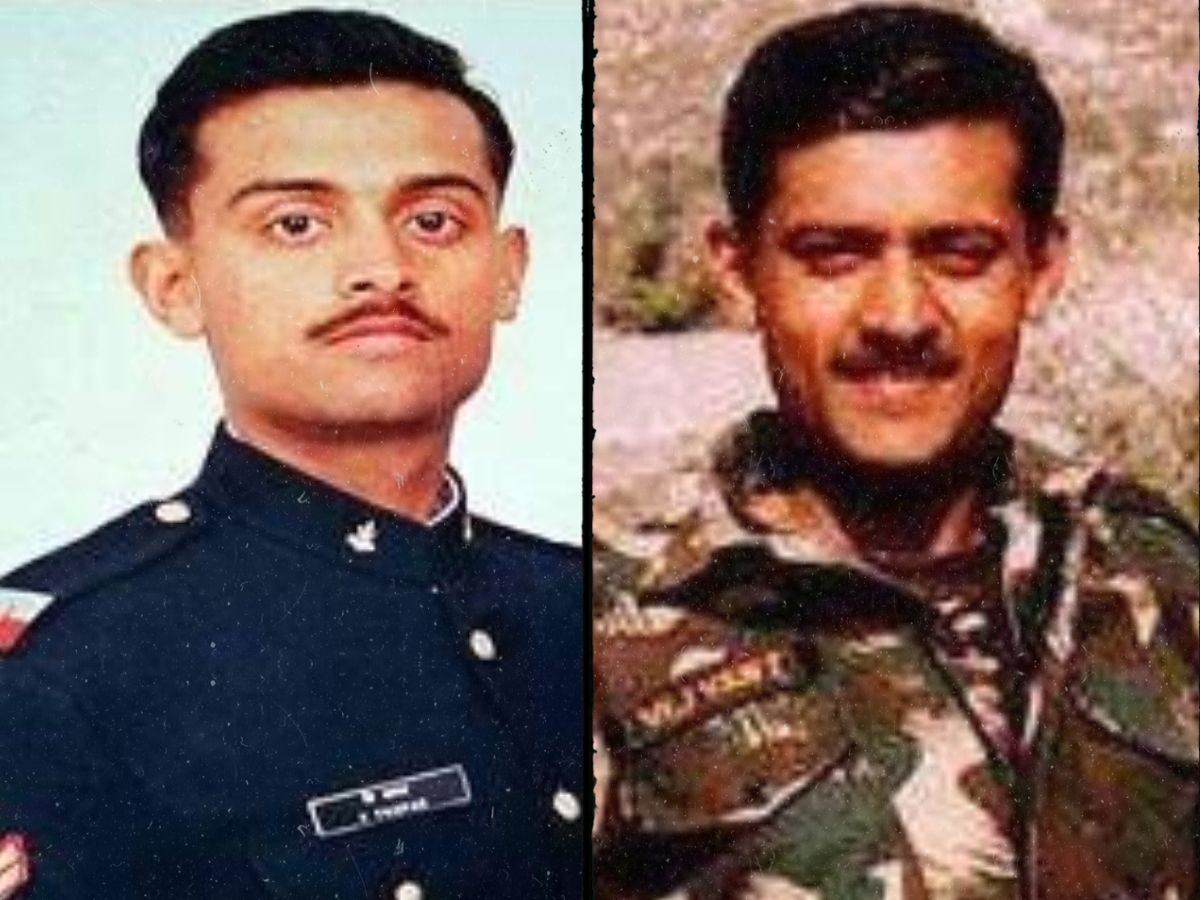
Captain Vijayant Thapar (2 Rajputana Rifles)
Widely loved as "Robin," Captain Vijayant Thapar was barely 22 years old when he made the ultimate sacrifice in the Knoll sector of Drass.
He showed remarkable leadership in destroying enemy bunkers with his men and getting himself into dangerous spots. He was hit by an enemy bullet in the face while engaging in close combat with the enemy. His last letter to his family is the most emotional piece of war mail, full of happiness and patriotism at martyrdom for the nation.
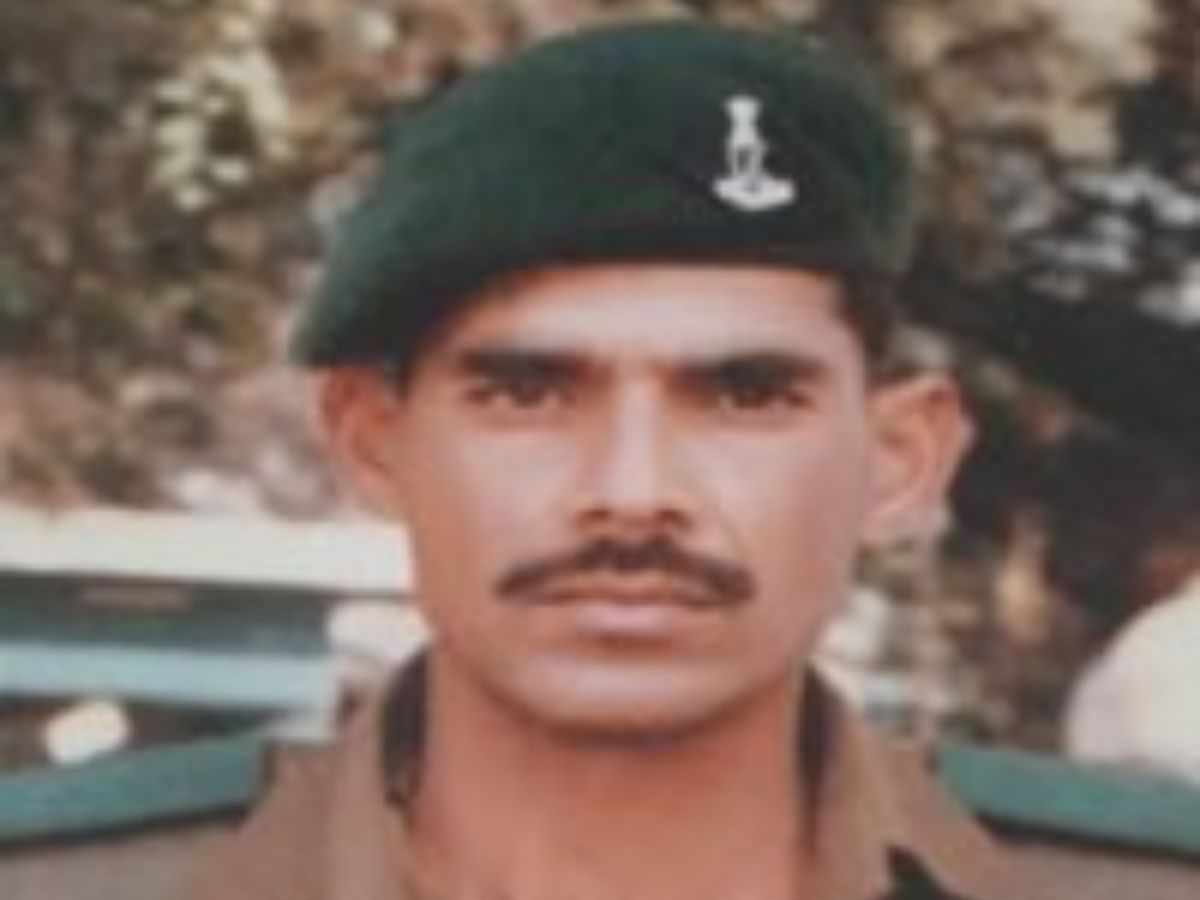
Havildar Rajbir Singh (Rajputana Rifles)
A battle-tested old campaigner of the unit, Havildar Rajbir Singh was steadfast and composed throughout the final attack on Point 4590. While younger soldiers were shaken by sheer fire, he led from the front, showing exemplary courage and self-control. His command instilled confidence in the unit and facilitated the capture of a vital ridge. Unheralded by everyone outside his regiment, he is well-liked there for his front-line bravery.
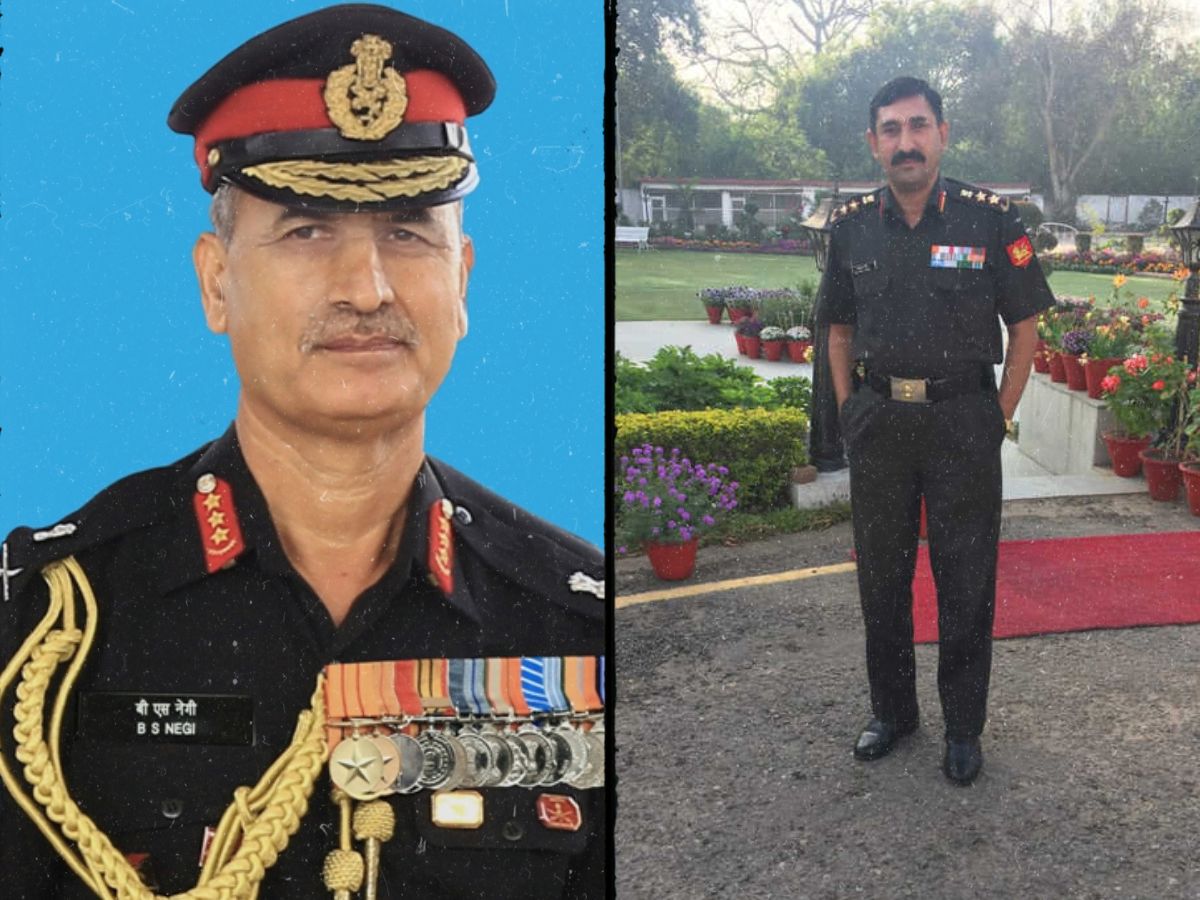
Lieutenant Balwan Singh (18 Grenadiers)
Youngest officer to lead the ultimate attack on Tiger Hill, Lieutenant Balwan Singh defied the physical hardship of vertical climb and the frostbites to energize his men with driving will and professional valour. His courage assisted by swift judgment contributed significantly to altering the nature of war. He was awarded the posthumous Maha Vir Chakra for command-in-exposure.
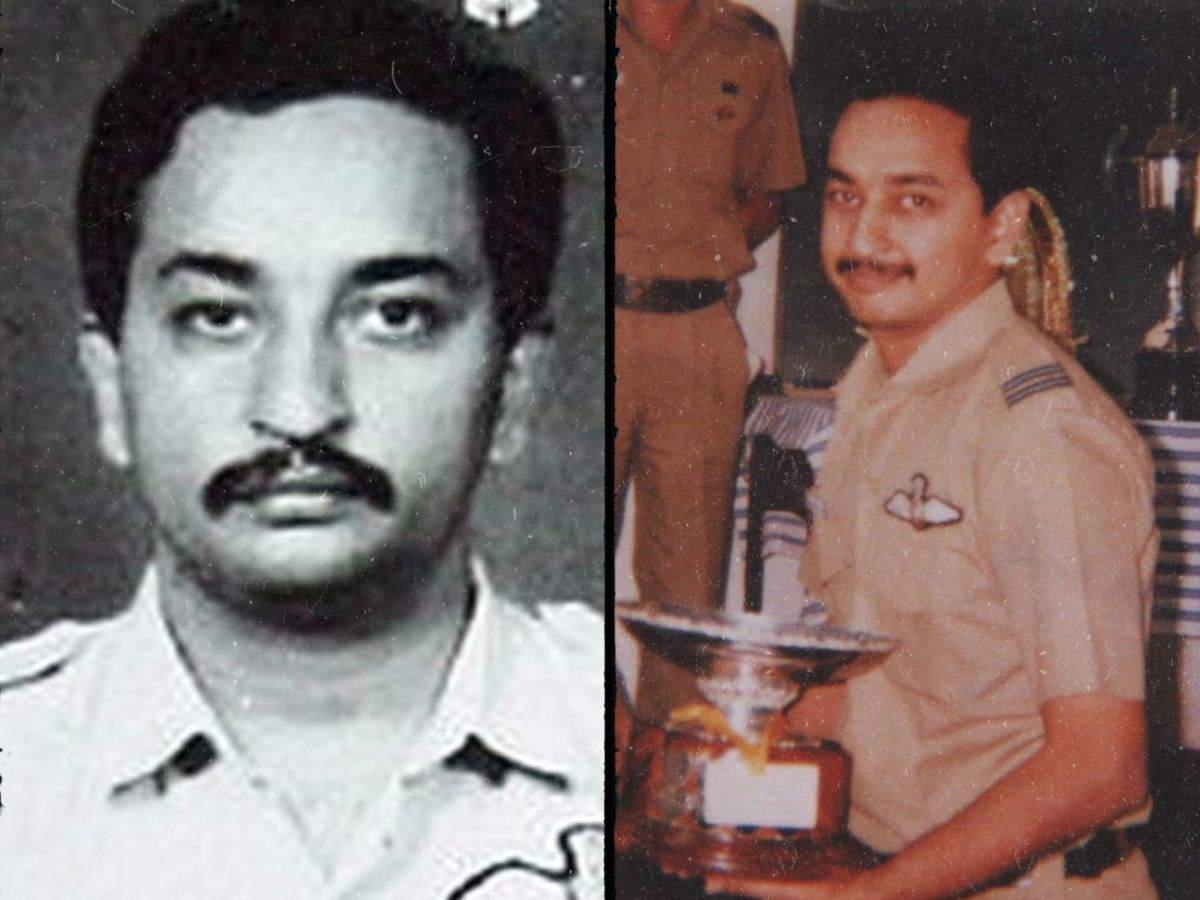
Squadron Leader Ajay Ahuja (Indian Air Force)
A career pilot and officer, Squadron Leader Ajay Ahuja was on a mission providing ground support when his aircraft came under attack by the enemy.
Even though he ejected safely, he was captured by Pakistani troops and later found dead under peculiar circumstances. His premature death evoked anger throughout the country and put the risks that the Air Force personnel faced during the war in the forefront. He was decorated with the Vir Chakra posthumously for his service and sacrifice.




