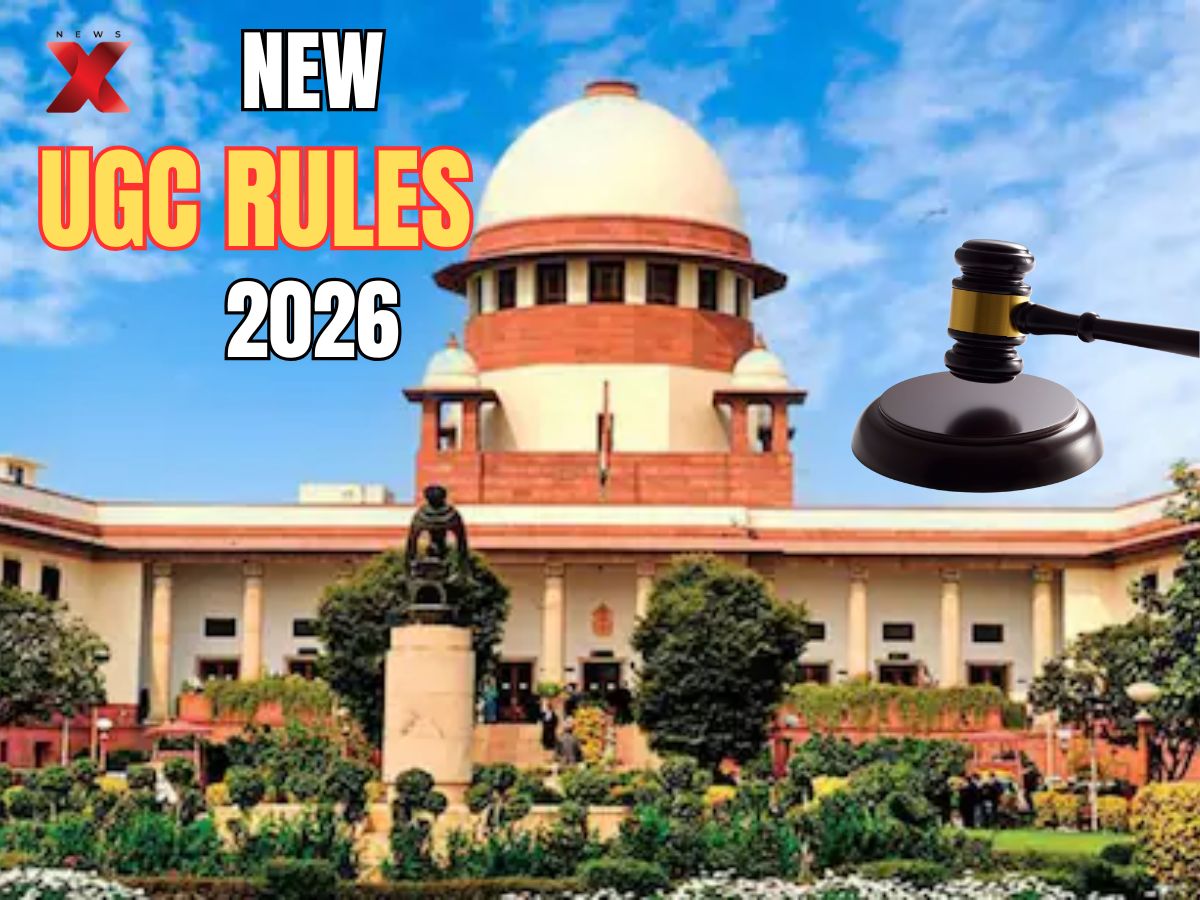
UGC Bill 2026: The Supreme Court has put the implementation of the contentious UGC Bill norms on hold, observing that several provisions appear prima facie vague and open to misuse.
You Might Be Interested In
On Thursday, the apex court began hearing multiple petitions challenging the newly notified UGC regulations. A bench comprising Chief Justice Surya Kant and Justice Joymalya Bagchi directed the Centre to rework the regulations, stating that their enforcement will remain in abeyance until a revised framework is prepared.
Notified on January 13, 2026, the regulations seek to overhaul the way colleges and universities address and manage discrimination. For students, teachers, and parents alike, understanding these changes is crucial. Here is a detailed look at the UGC new rules, UGC benefits, and UGC penalties.
You Might Be Interested In
What Is UGC Bill In India?
The UGC Bill 2026 introduces a fresh regulatory framework that will replace the 2012 guidelines. The objective of the new regulations is to curb discrimination, particularly on the basis of cast, and to ensure that students from all backgrounds are provided a safe, fair, and inclusive environment in colleges and universities.
- The official name of the UGC Bill 2026 is Promotion of Equity in Higher Education Institutions Regulations, 2026. The UGC Bill 2026 applies to all universities and colleges across India.
- The regulations primarily focus on preventing discrimination in higher education on the grounds of caste, gender, and disability, aiming to create a safer and more inclusive academic environment.
- To strengthen accountability and student protection, the rules mandate the establishment of a 24/7 helpline and an online grievance redressal portal across institutions, ensuring timely reporting and resolution of discrimination-related complaints.
UGC New Rules 2026
The UGC 2026 Regulations mark a significant departure from the earlier framework, converting what were once advisory guidelines into legally enforceable rules.
Here are the major UGC new rules introduced under the new guidelines:
- Expanded Coverage of OBCs and EWS: The news rules extend protection to Other Backwards Classes (OBCs) and Economically Weaker Sections (EWS), in addition to SC/ST students, groups that were not comprehensively covered under the 2012 regulations.
- Mandatory Equal Opportunity Centres (EOCs): All colleges and universities are required to establish an Equal Opportunity Centre. These centres will support students from disadvantaged backgrounds, address complaints related to discrimination, and conduct awareness programmes for students and staff.
- Equity Committees and Task Forces: Institutions must constitute an Equity Committee headed by the college or university head. The committee should include representation from SC, ST, OBC communities, women, and persons with disabilities to ensure fair and inclusive decision-making.
- Time-bound Complaint Redressal: The regulation introduces strict timelines to prevent delays in freviance handling:
- Within 24 hours: Initial action must be taken after a complaint is filed
- Within 15 working days: A detailed inquiry report must be submitted
- Within 30 days: Aggrieved students may approach an Ombudsperson if dissatisfied with the outcome
New UGC Rules: Benefits
The UGC Regulations 2026 were introduced in response to a sharp rise in reported cases of discrimination on college campuses. The move also follows repeated calls for stricter safeguards after tragic student deaths, including Rohith Vemula and Payal Tadvi, which highlighted systemic issues within higher education institutions.
- For Students: The new UGC rules establish a round-the-clock support system, mandating 24/7 helplines and online grievance portals across campuses. This ensures students are not forced to wait indefinitely for internal inquiries that may never materialise.
- For Institutions: Colleges and universities are now required to reform internal processes and can no longer dismiss complaints as isolated or non-existent. Institutions are legally bound to document and demonstrate the measures they take to prevent discrimination.
- Human Dignity Clause: For the first time, actions such as publicly identifying a student by caste or segregating students in laboratories or hostels are explicitly classified as violations of human dignity. This provision offers victims a clearer and stronger legal framework to seek justice,
UGC Rules 2026: Penalties For Faculty, Staff and Students
The UGC Regulations 2026 state that if an Equity Committee finds an individual guilty of discrimination, the concerned college or university is required to take strict disciplinary action based on the gravity of the offence.
For Teachers and Staff:
- Permanent service record entry: Proven violations will be officially recorded in the employee’s service history, potentially affecting promotions, salary increments, and retirement benefits.
- Suspension or dismissal: Serious offences, including sustained harassment, physical exclusion, or caste-based abuse, may result in immediate suspension or termination of service.
- Mandatory police action: If the act qualifies as a criminal offence under the SC/ST (Prevention of Atrocities) Act or the Indian Penal Code, the institution must register a First Information Report (FIR) within 24 hours.
For Students:
- Expulsion or rustification: Students found guilty of bullying, ragging, or discriminatory behaviour may be expelled or barred from attending classes for a specified period.
- Withholding of academic documents: Universities may withhold degrees or mark sheets until disciplinary proceedings are concluded.
- Immediate hostel eviction: Guilty students may be removed from hostels or campus accommodation with immediate effect.
Also Read: Meet 16-Year-Old Yashika Sharma? TV Show Rimjhim Sparks Outrage Over Minor Actress’s Controversial Intimate Scenes With Male Actor Himanshu Awasthy
Manisha Chauhan is a passionate journalist with 3 years of experience in the media industry, covering everything from trending entertainment buzz and celebrity spotlights to thought-provoking book reviews and practical health tips. Known for blending fresh perspectives with reader-friendly writing, she creates content that informs, entertains, and inspires. When she’s not chasing the next viral story, you’ll find her diving into a good book or exploring new wellness trends.
You Might Be Interested In