
Leaders of Indian Independence: Ten Young Voices Of Courage That Continue To Inspire Generations
The fight of gaining independence in India was managed by the visionary leaders who possessed courage, strategy, and sacrifice. Mahatma Gandhi was a leader who stood by non-violence and massive demonstrations such as the Salt March which influenced the world to lend its support to civil rights. We had Jawaharlal Nehru who believed in a modern and secular India and we had Subhas Chandra Bose organizing the INA into armed resistance. Sardar Patel brought princely states together; Sarojini Naidu combined activism and poetry. The revolutionary character of Bhagat Singh inspired young people. B.R. Ambedkar struggled in the cause of social justice and framed the Constitution. Maulana Azad advocated education and unity. The martyrdom of Lala Lajpat Rai inspired action and Bal Gangadhar Tilak aroused the call of Swaraj that created a feeling of nationalism. They all helped establish a free India.
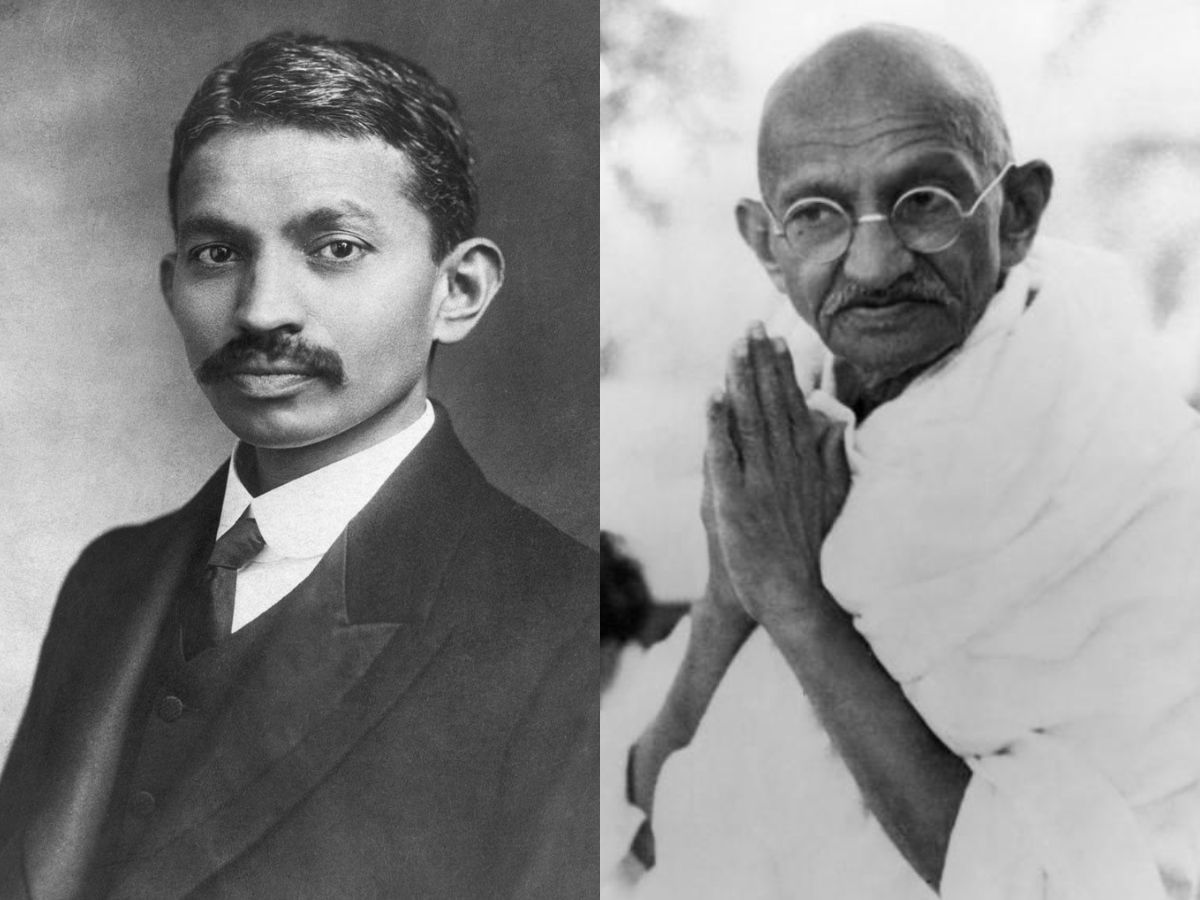
Mahatma Gandhi
The Father of the Nation who was known as Mohandas Karamchand Gandhi led the Indian Independence movement through his Satyagraha philosophy which is the non-resistance principle and civil defiance philosophy. He led the millions of urban and rural Indians to boycott the British goods, institutions and laws, and perhaps the most well-known accounts of which happened during the Salt March and Quit India Movement. Gandhi did not just appeal to issues like truth, simplicity and self reliance to the Indians but to the civil rights movements around the globe. His philosophy attracted different communities and united them under the same course and challenged the abilities of the British Empire without any war. Gandhi lived under the belief that the force of moral courage is able to bring changes to the world of politics.
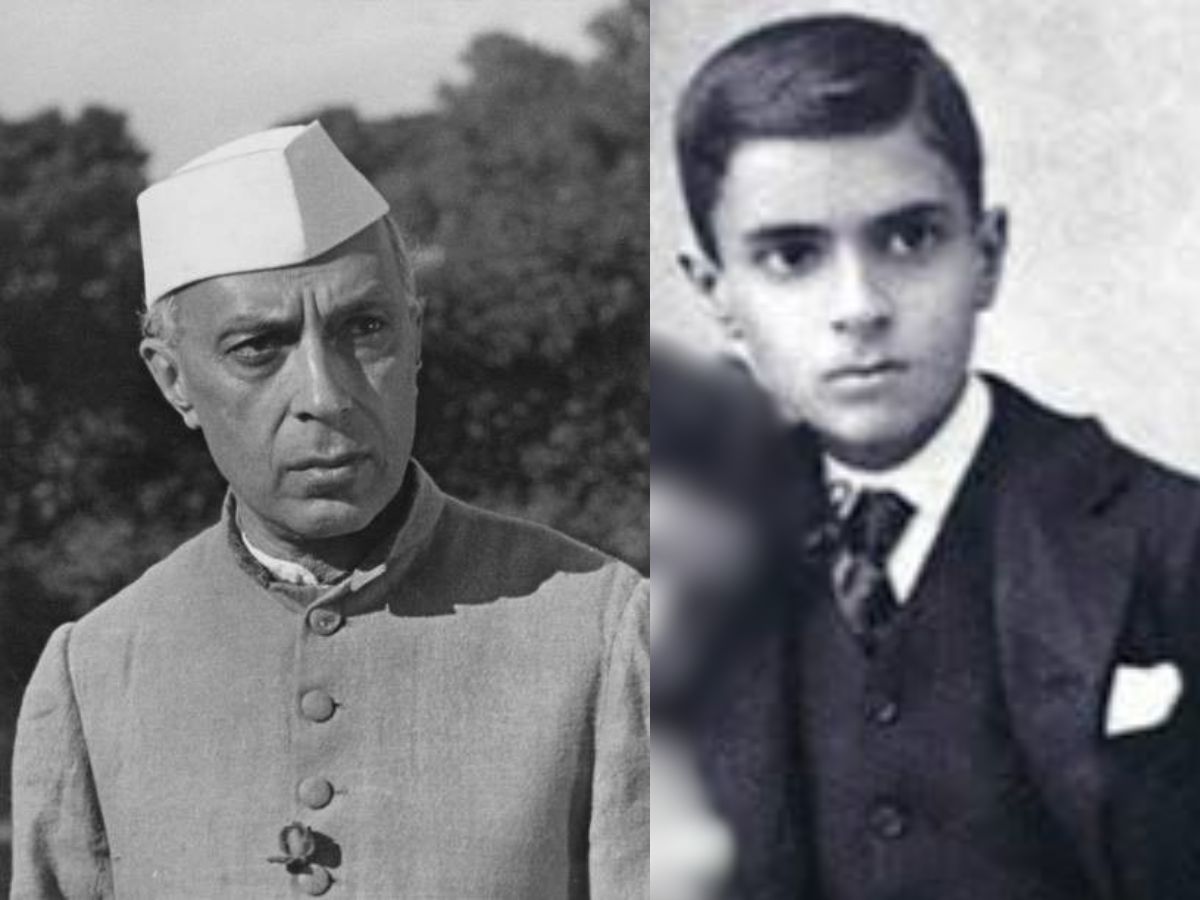
Jawaharlal Nehru
Jawaharlal Nehru was initially the Prime Minister of India who had contributed to the formation of the political vision of the nation in the movement of freedom. Nehru was one of the key confidants of Gandhi and was very instrumental in supporting the idea of complete independence especially when he was serving as the leader of the Indian National Congress. In the new India, he witnessed a secular, modern, industrialised and included both democratic concepts and an economic planning. Among the most memorable events in Indian history was his speech Tryst with Destiny which was delivered August 15 1947. Nehru believed in scientific progress, education and internationalism and his leadership of India in the light of her attainment of independence made him a pioneer which defined the way India was shaped during its earlier days.
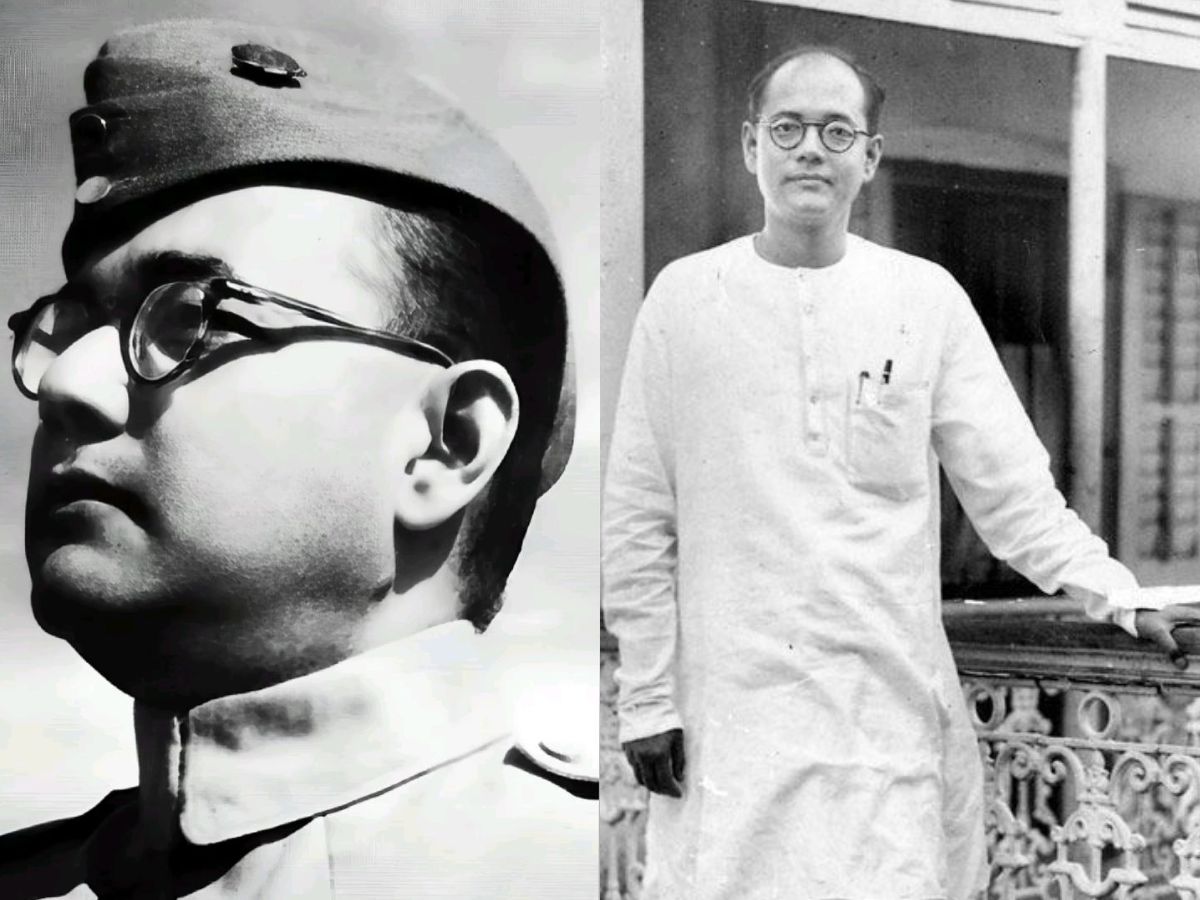
Subhas Chandra Bose
Netaji Subhas Chandra Bose was one of the most dynamic and militant Indian leaders in the freedom movement of India. Afraid of the Congress non-violence course, he wanted to wage armed struggle against British rule. During World War II, Bose organized the Indian National Army (INA) in cooperation with Japan and cried out that the Indians should give their blood and he would grant them freedom. His leadership mobilized thousands of people to fight outside and inside India. Subsequent to being killed in mysterious circumstances in 1945, Bose has always been represented as a testament of will power, nationalism and the faith that at any expense, everything must be achieved with liberty.
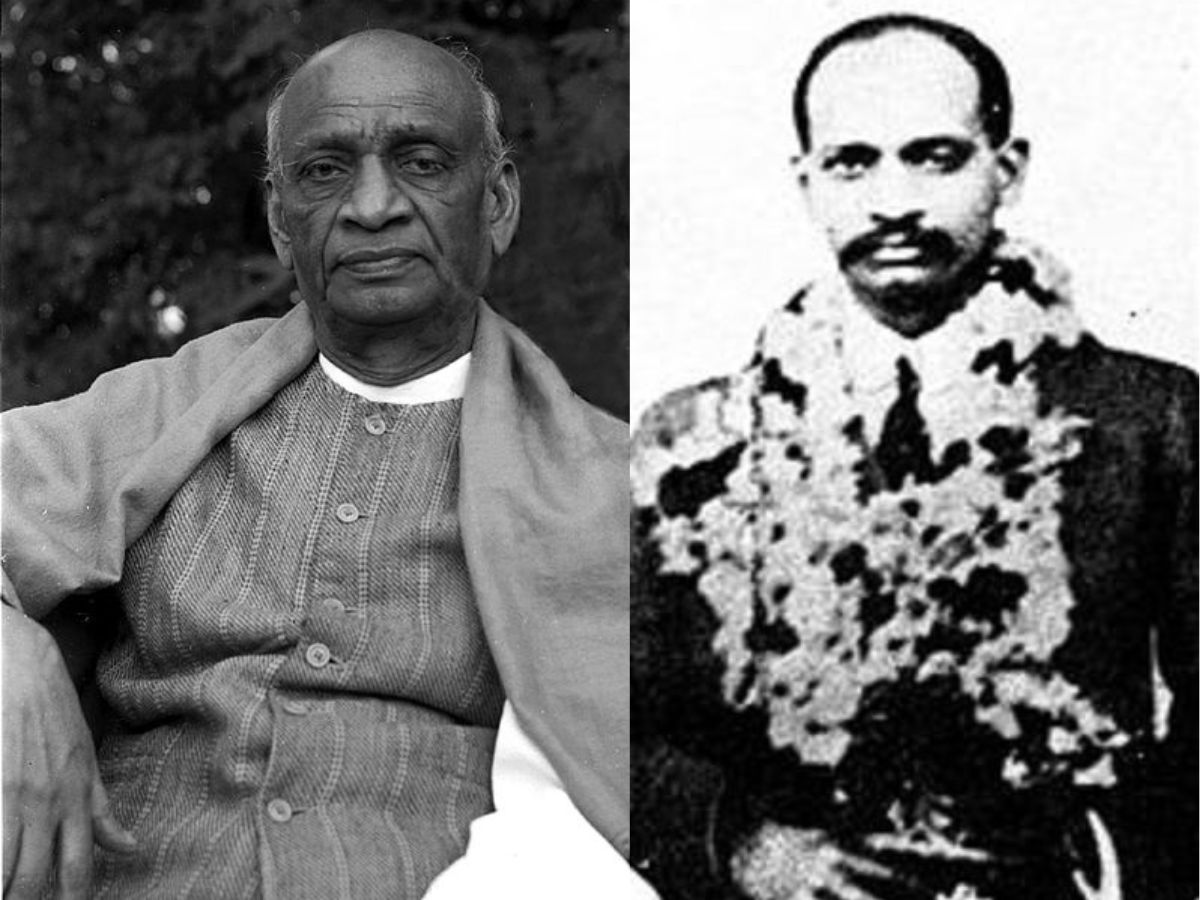
Sardar Vallabhbhai Patel
Sardar Vallabhbhai Patel, the so-called Iron Man of India was a senior leader in the Indian National Congress who contributed immensely to the independence of the country. His role in the Non-Cooperation and the Quit India movement, allowed him to collaborate with Gandhi since he subscribed strongly to the unity. One of the greatest contributions is by Patel who spearheaded the formation of over 500 princely states into the Indian Union when he was appointed a deputy Prime Minister of India and Home Minister after the independence. He was an excellent leader, a pragmatic man, and an uncompromising person and was greatly respected by people. As Patel carried it out the nation-building efforts ensured that the country, India, emerged as a united, sovereign nation in a context of the paralysis of the partition.
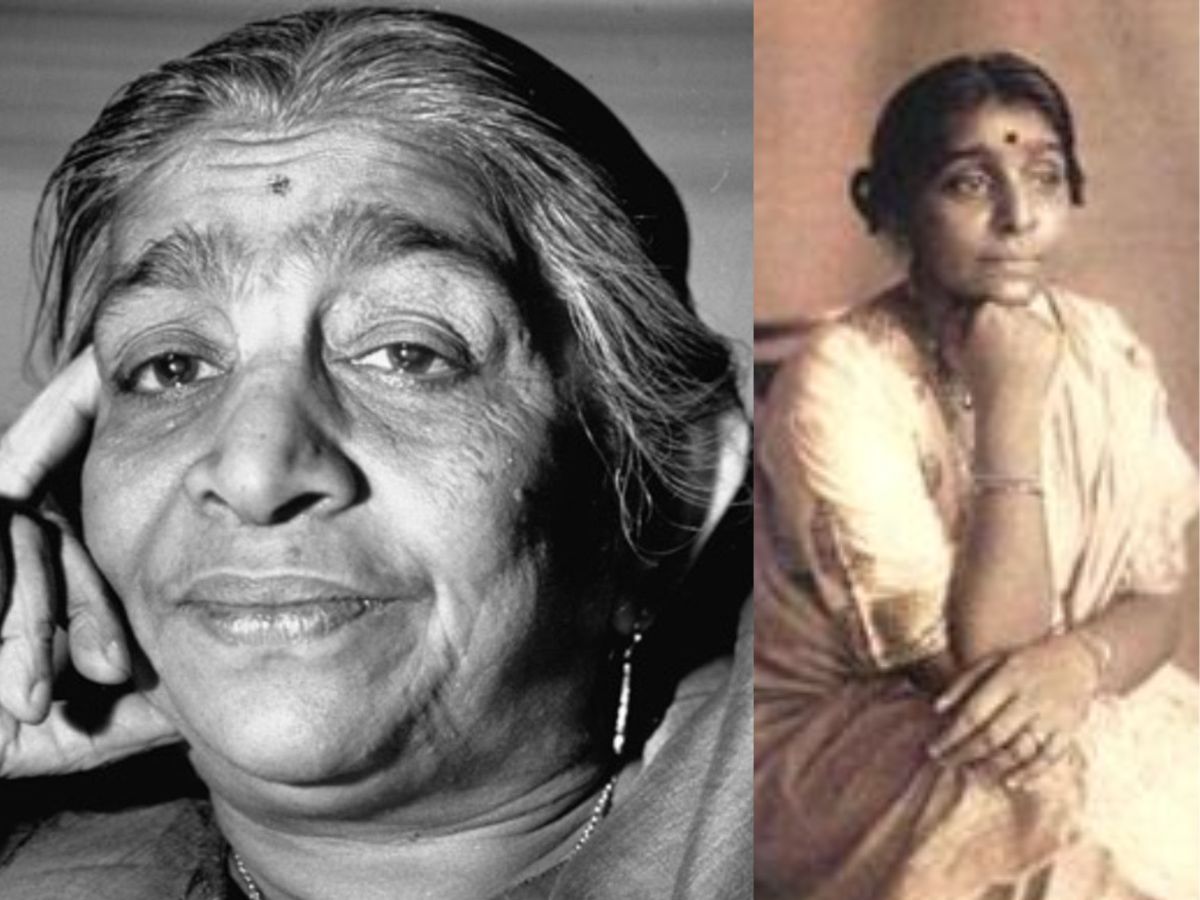
Sarojini Naidu
The Nightingale of India, Sarojini Naidu was also a freedom fighter and a gifted poet. Being a close companion to Gandhi, she was also involved in different movements such as Civil Disobedience and the Salt March, where she could frequently speak to large crowds using her eloquence. She is the first woman to chair the Indian National Congress and thereafter the first female Governor of an Indian state. The biography of Naidu was a mix of creativity and politics as she established the rights of women, with regard to empowerment, education, and social movements. She became an inspiration and a symbol of courage throughout history in the quest to gain independence in India through her spirited speeches and tireless work.
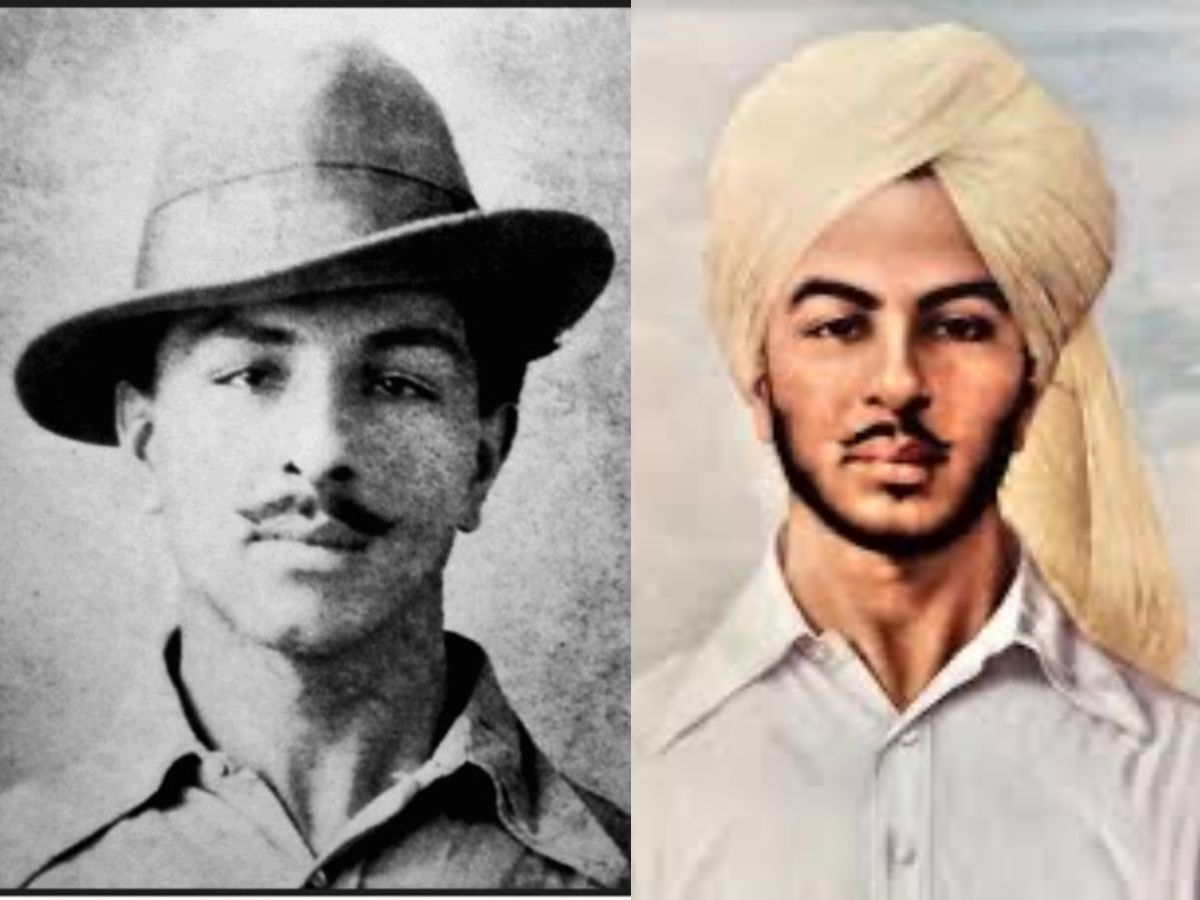
Bhagat Singh
Bhagat Singh, being one of the most renowned revolutionaries of India had become the icon of fearless opposition to British rule. He was greatly affected by the Jallianwala Bagh massacre and he became an active member of Hindustan Socialist Republican Association, which supported full independence by violent methods. As a well-known revenge action, Singh killed an English officer in the name of avenging the killing of Lala Lajpat Rai and he counterattacked throwing non-lethality bombs in the Central Legislative Assembly to oppose colonial legislation. His books, courtroom words and eventual execution by only the age of 23 rallied generations to take freedom. The legacy of Bhagat Singh consists of his bravery, genius, and never-ending dedication towards the free India of freedom.
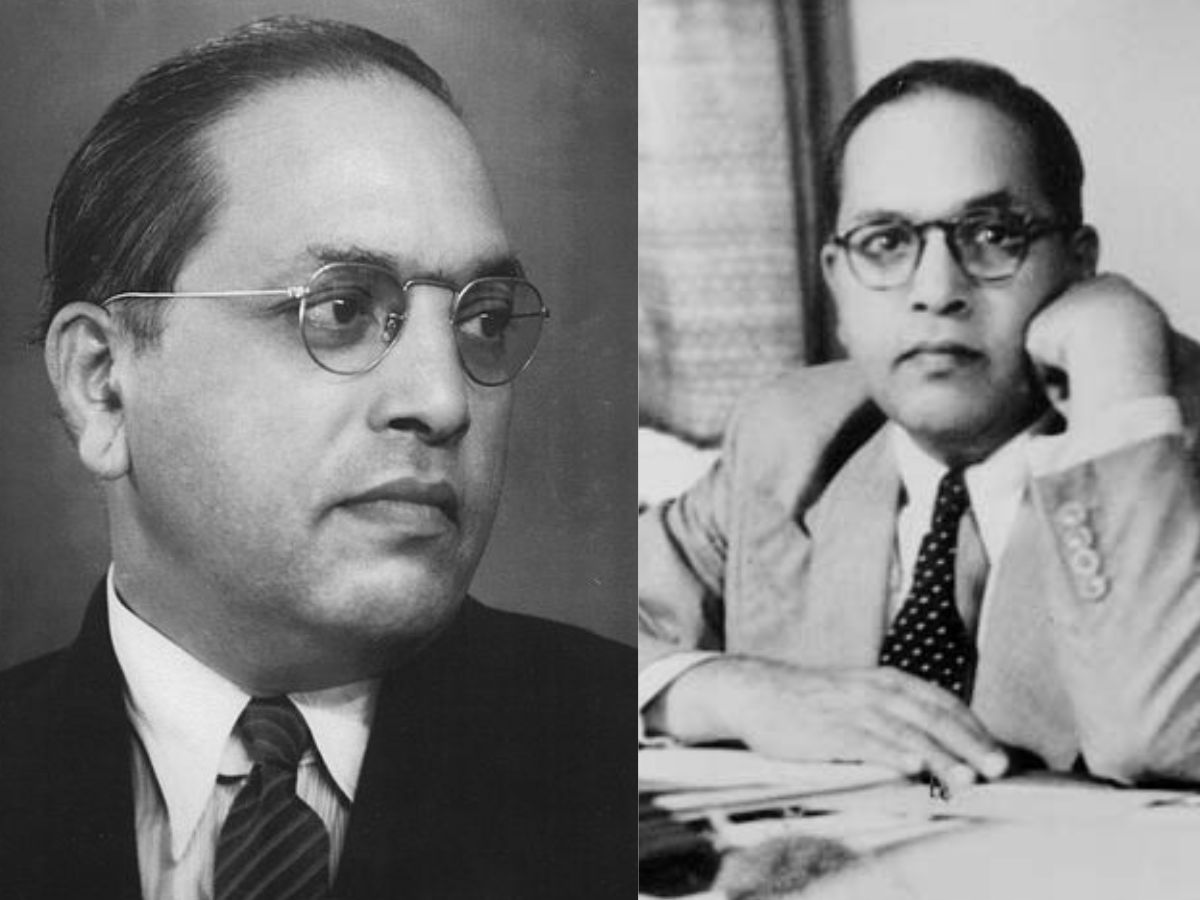
Dr. B. R. Ambedkar
A visionary social reformer and leader, Dr. Bhimrao Ramji Ambedkar was involved in a dual role in the destiny of India as he not only advocated independence but social equality as well. Being of a marginalised family of Dalits, he managed to survive through the combination of systemic discrimination and become an influential scholar, lawyer, and political advocate. Ambedkar was the most ardent supporter of the oppressed caste; he battled caste oppression all his life. Being the principal author of the Constitution adopted in India, he placed the values of liberty, equality, and fraternity. His tenure as a leader spanned even outside politics touching on education, labour reforms as well as gender equality. The life of Ambedkar is a source of perpetual inspiration in the context of social justice and the concept of inclusive India.
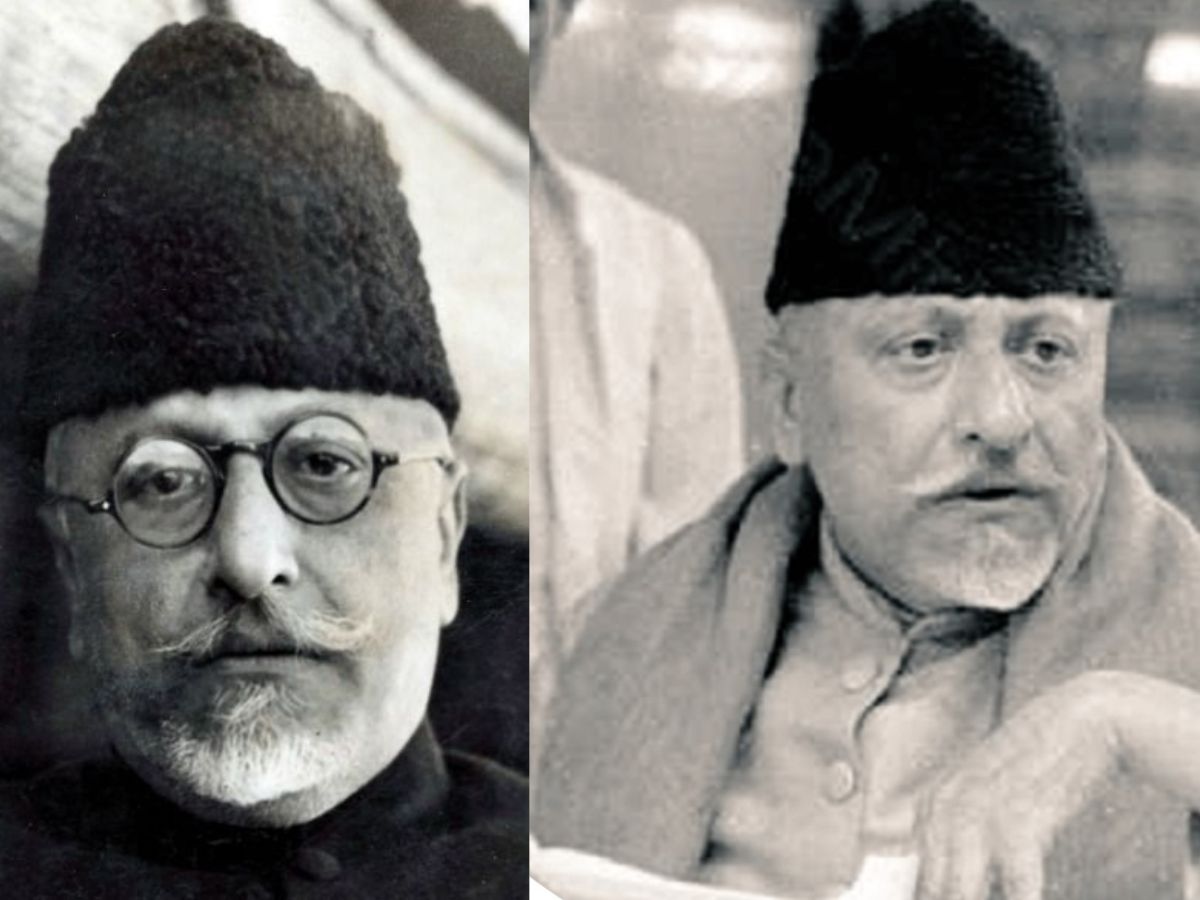
Maulana Abul Kalam Azad
Maulana abul Kalam Azad was a great nationalist pioneer, literate, and education minister of India. He was a fervent campaigner of Hindu Muslim unity and was an opponent of India being partitioned and causing communal boundaries to be crossed over. When Azad served as President of Indian National Congress when the Quit India Movement occurred he gave a stable leadership to the nation experiencing colonial oppression. Many were motivated to join the independence campaign because of his intellectual works such as writings in his newspaper Al-Hilal. His prime example of promoting universal education came to be after independence, by founding institutions such as the IITs and the University Grants Commission. The vision of Azad consisted of patriotism and cultural and educational uplifting.
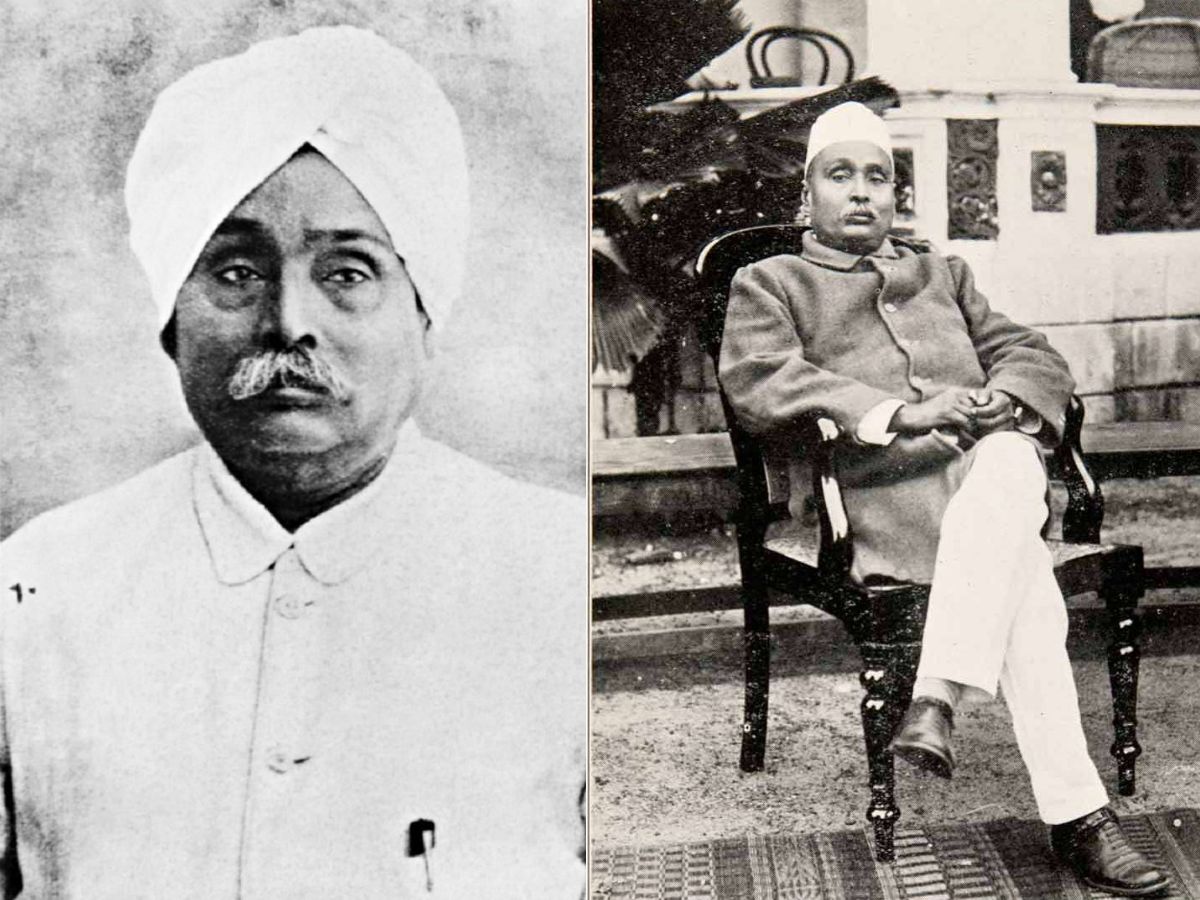
Lala Lajpat Rai
Lala Lajpat Rai (18651928) popularly known as the Lion of Punjab broke new grounds in the struggle to attain self-rule in India and became its most influential leader. He was one of the three members of the Lal-Bal-Pal who formed the mass movements against the colonial policies of the British colonies and specifically against the partition of Bengal and the Punjab Colonisation Bill. Rai was a good speaker and a prolific writer, and also contributed to social reform (education and empowerment of women). He was killed in 1928 during a lathi charge by the police when he was leading a peaceful demonstration against the Simon Commission in Lahore. His martyrdom moved the nation into frenzy, another round of revolution was fired.
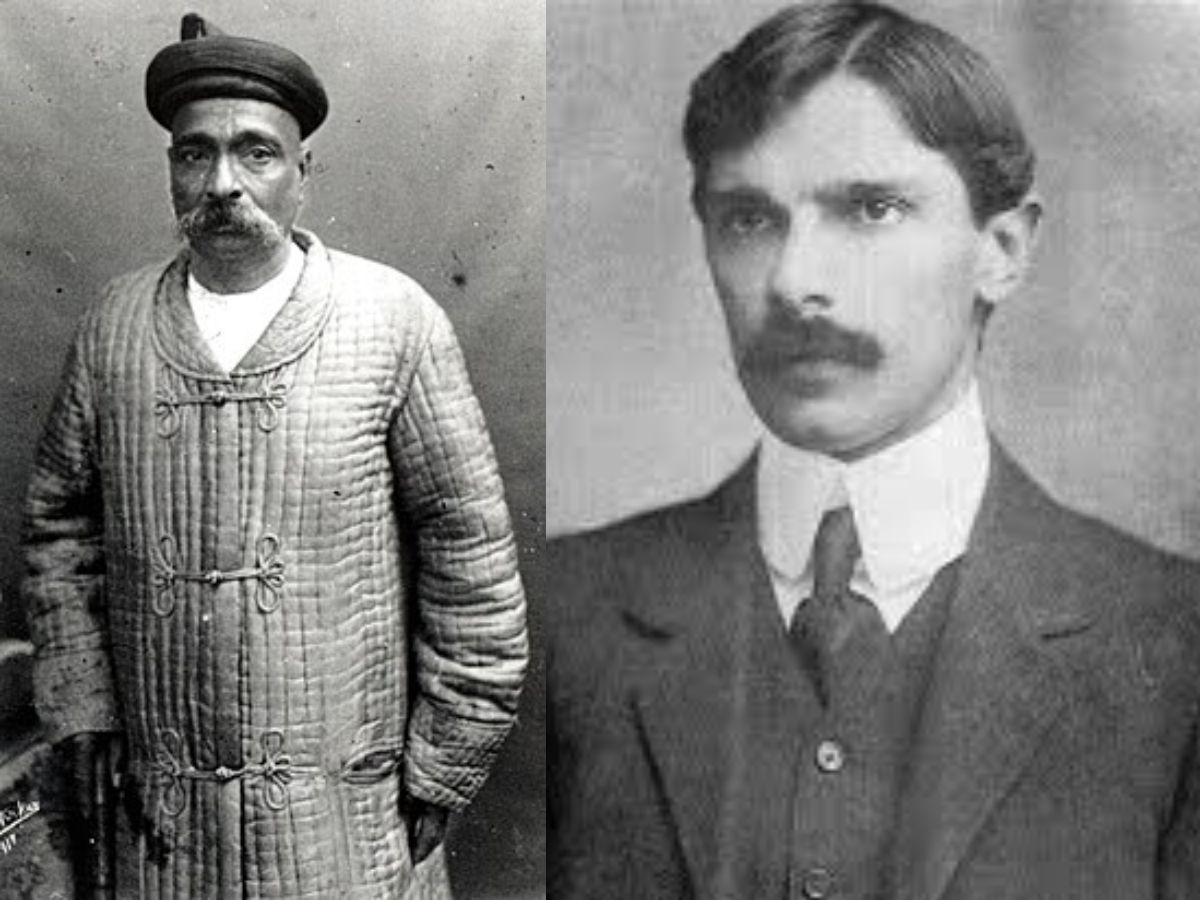
Bal Gangadhar Tilak
One of the first and most aggressive leaders of the India freedom movement was Bal Gangadhar Tilak popularly known as Father of Indian Unrest. He was a radical nationalist and felt that it is the right of India to gain independence. In his newspapers, Kesari and The Mahratta, Tilak brought out the political awareness in people and opposed the British rules. He introduced the celebration of Ganesh Chaturthi and Shivaji Jayanti in large secular gatherings to make people united against colonial status. His appeal of Swaraj awakened millions of freedom fighters. Tilak who was imprisoned repeatedly never gave up his mission of delivering the country and set the ideological base of the newer leaders leading the fight in the struggle to gain independence.




