
In Pics, Glimpse Of The Darker Side Of Separation: Partition Horrors Remembrance Day
The 1947 Partition of India, captured through powerful archival photographs, reveals both the political decisions and the human suffering behind the subcontinent’s division. From Jinnah and Nehru’s solemn agreement to the mass migrations on foot, in overcrowded trains, and at chaotic ports, the images depict the displacement of over 14 million people. They show abandoned homes, the resilience of women, the vulnerability of children, and the devastation of communal riots. Each frame tells a story of loss, longing, and survival, highlighting that beyond maps and borders, Partition was a deeply human tragedy whose scars continue to shape South Asian memory.
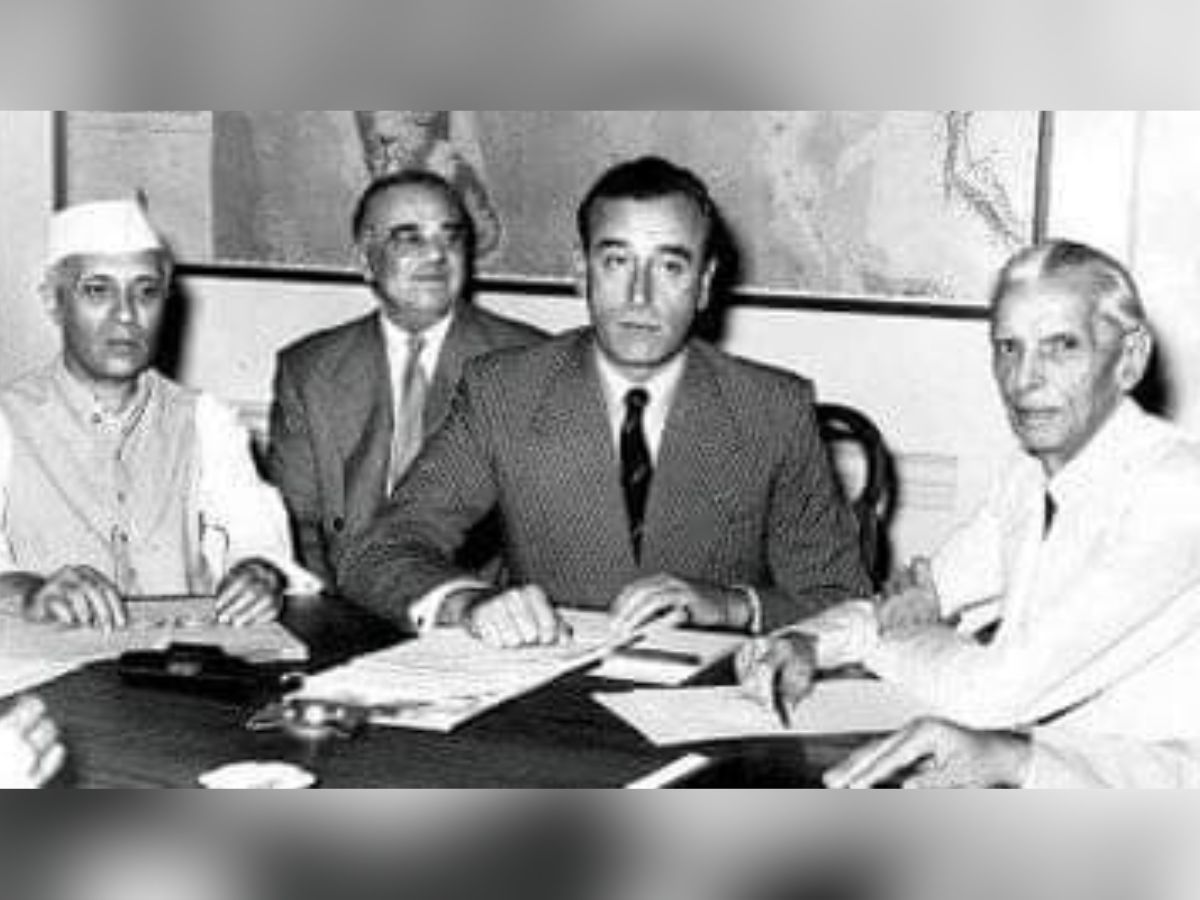
Jinnah & Nehru Seal the Partition of India
On August 14, 1947, history witnessed a moment of both triumph and tragedy as Mohammad Ali Jinnah and Jawaharlal Nehru formalised the Partition of British India. The agreement, rooted in decades of political tensions, gave birth to two sovereign nations—India and Pakistan—while sealing the fate of millions. Archival images of the leaders, poised yet solemn, reveal the weight of their decisions. For Jinnah, it was the culmination of the demand for Pakistan; for Nehru, a compromise to secure independence. Beneath the official signatures lay the unspoken truth—freedom would arrive, but at the cost of unprecedented displacement and suffering.
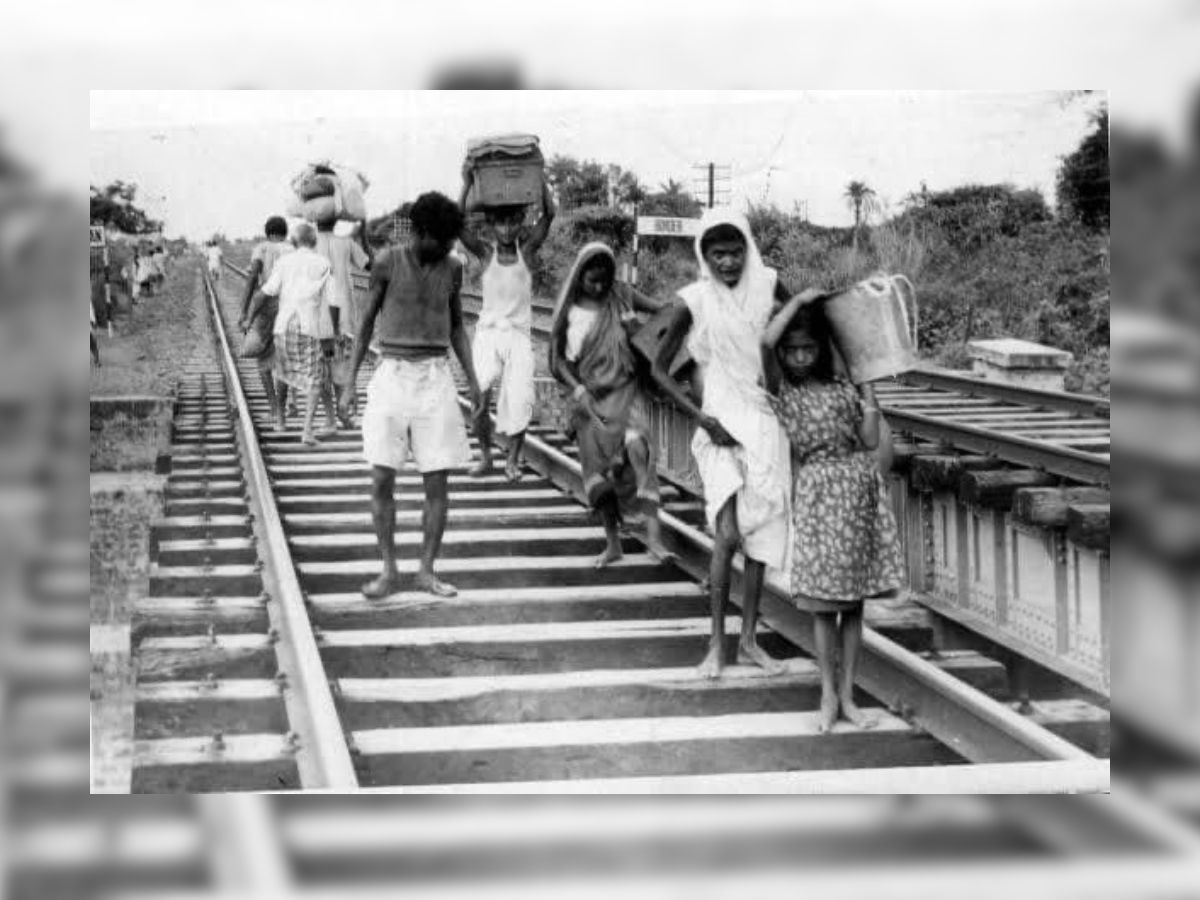
The Long Walk to Freedom
In August 1947, millions of men, women, and children left their homes, walking for days under the scorching sun, carrying only what they could. This picture captures the endless streams of people on dusty roads—on foot, in bullock carts, and with belongings balanced on their heads. Every frame shows the exhaustion, fear, and uncertainty etched on faces. The Partition displaced over 14 million people, making it one of the largest human migrations in history. These photographs remind us not only of the scale of the tragedy but also of the resilience with which ordinary people braved extraordinary circumstances.
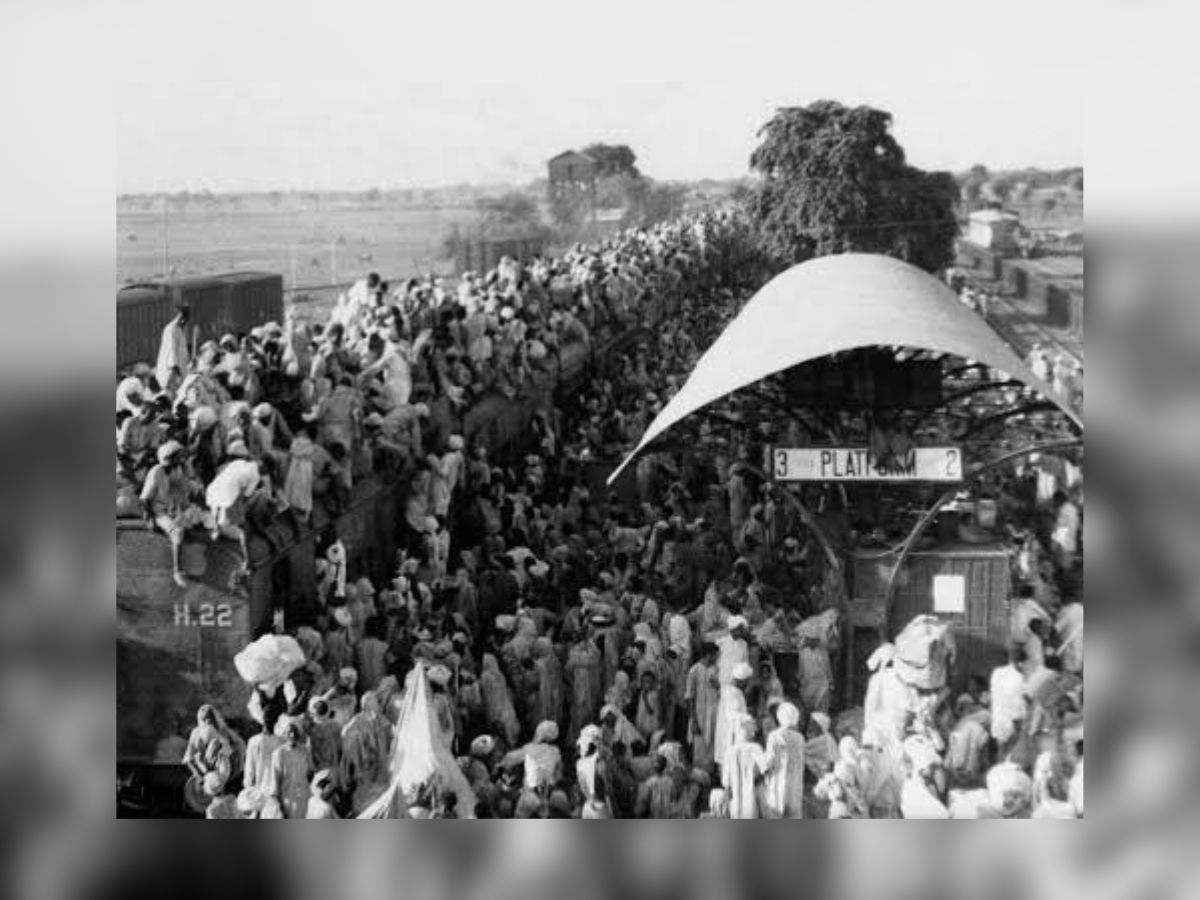
Trains of Tragedy
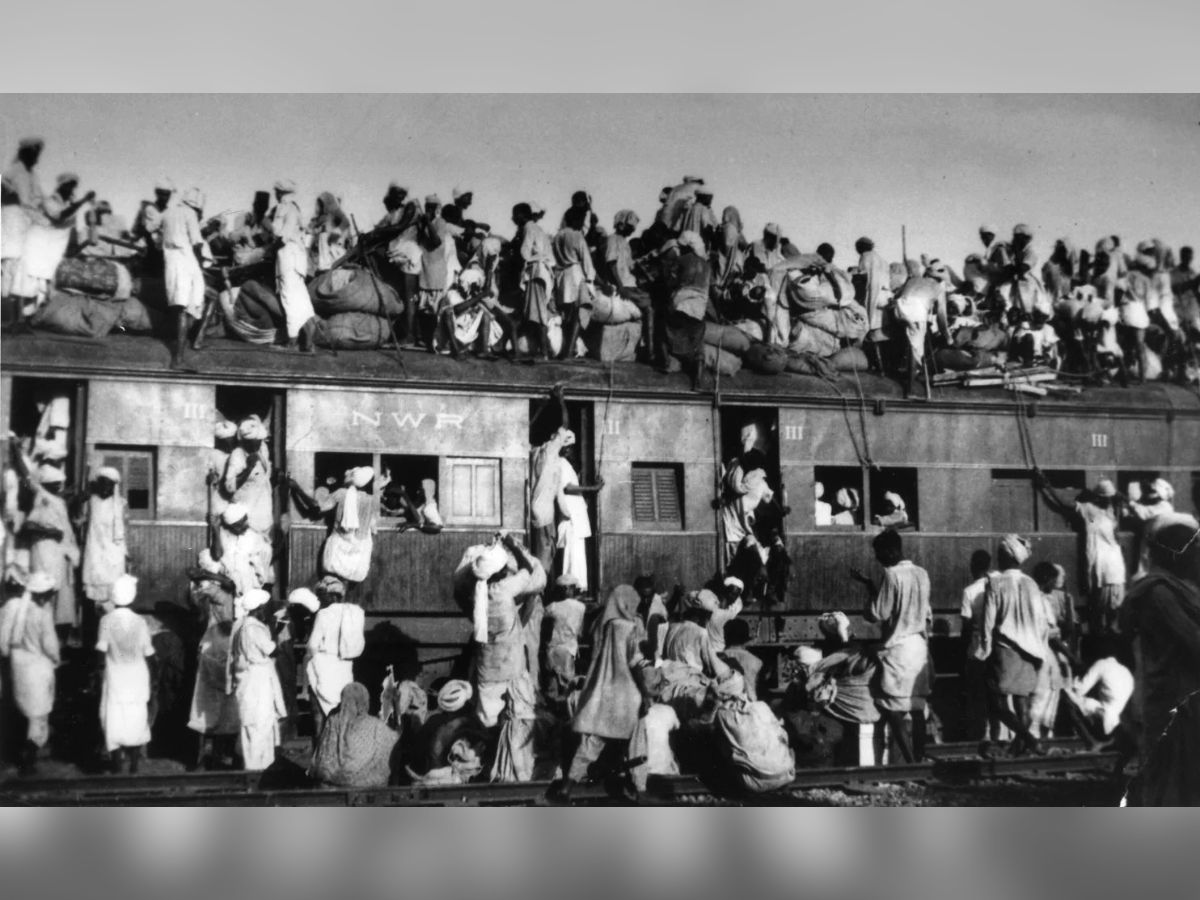
Trains became grim symbols of the Partition, carrying both hope and horror. Packed with refugees seeking safety, many of these journeys ended in unimaginable violence. Images show overcrowded carriages, people clinging to rooftops, and heartbreaking scenes at railway platforms. Some trains arrived full of lifeless bodies, turning steel coaches into silent witnesses of mass killings. Yet, in between the despair, there were moments of humanity—strangers sharing food, children peeking from train windows, and communities helping passengers. These photographs reveal how something as ordinary as a train ride became a perilous, emotional passage during the chaos of 1947.
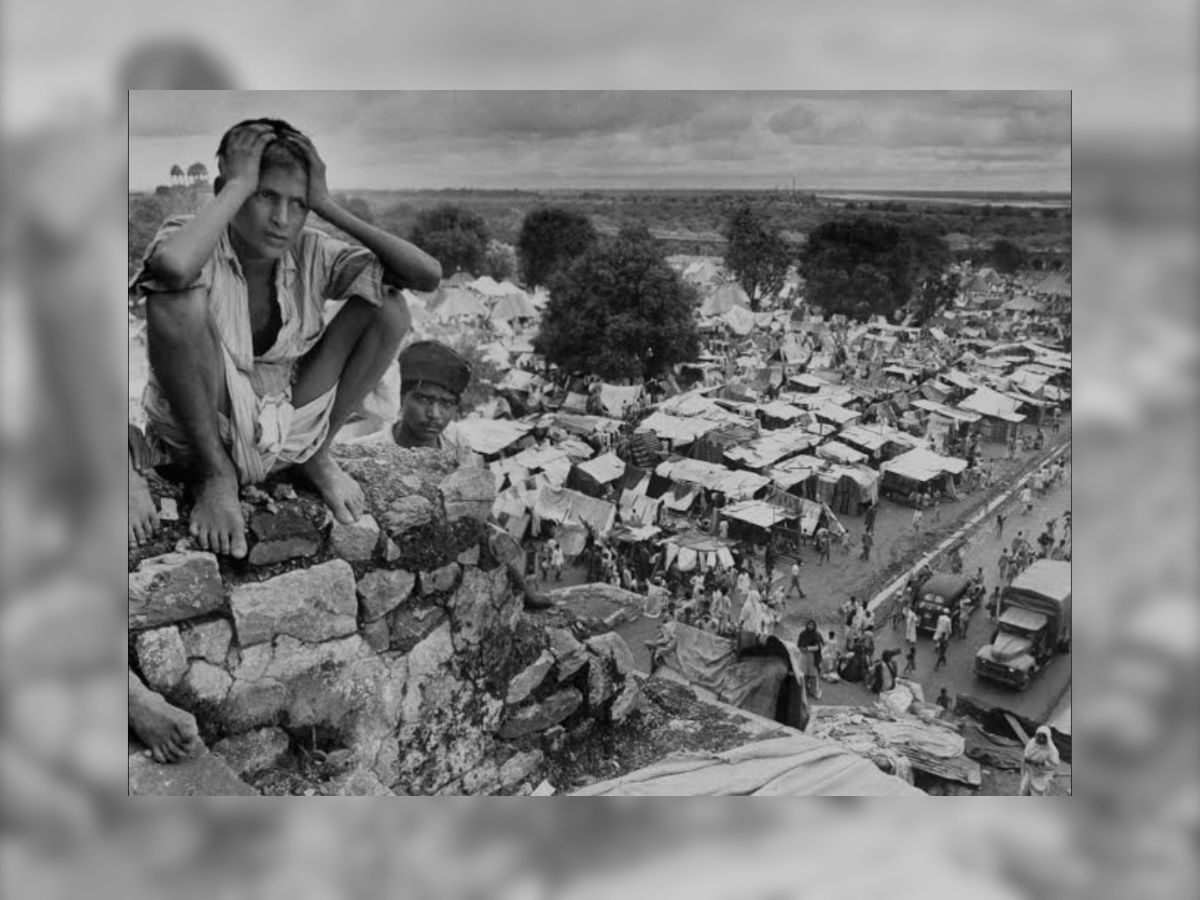
Torn Borders, Broken Hearts
The Partition was not just a political event—it tore families apart forever. This gallery focuses on photographs of people separated from loved ones, clutching old family portraits, and staring across newly drawn borders. The images are intimate and raw—mothers holding children they will raise without fathers, siblings separated by fences, and elderly parents waiting for news. Many never reunited, their bonds severed by an arbitrary line on a map. These photographs remind us that beyond the statistics of migration and violence, there were countless individual stories of loss and longing that still echo through generations.
The Human Cost of a Divided Nation
The Partition of India in 1947 triggered one of history’s largest and most traumatic mass migrations, displacing over 14 million people. As India and Pakistan were carved out along hastily drawn borders, millions fled their homes to escape communal violence, persecution, and uncertainty. Trains became a primary mode of escape, often overcrowded beyond capacity, with passengers clinging to roofs, windows, and sides. Many never reached safety, as attacks and massacres claimed countless lives. This period was marked by loss, separation, and immense human suffering, leaving scars that endure across generations. Partition remains a defining, painful chapter in the subcontinent’s history.
The Lost Homes of 1947
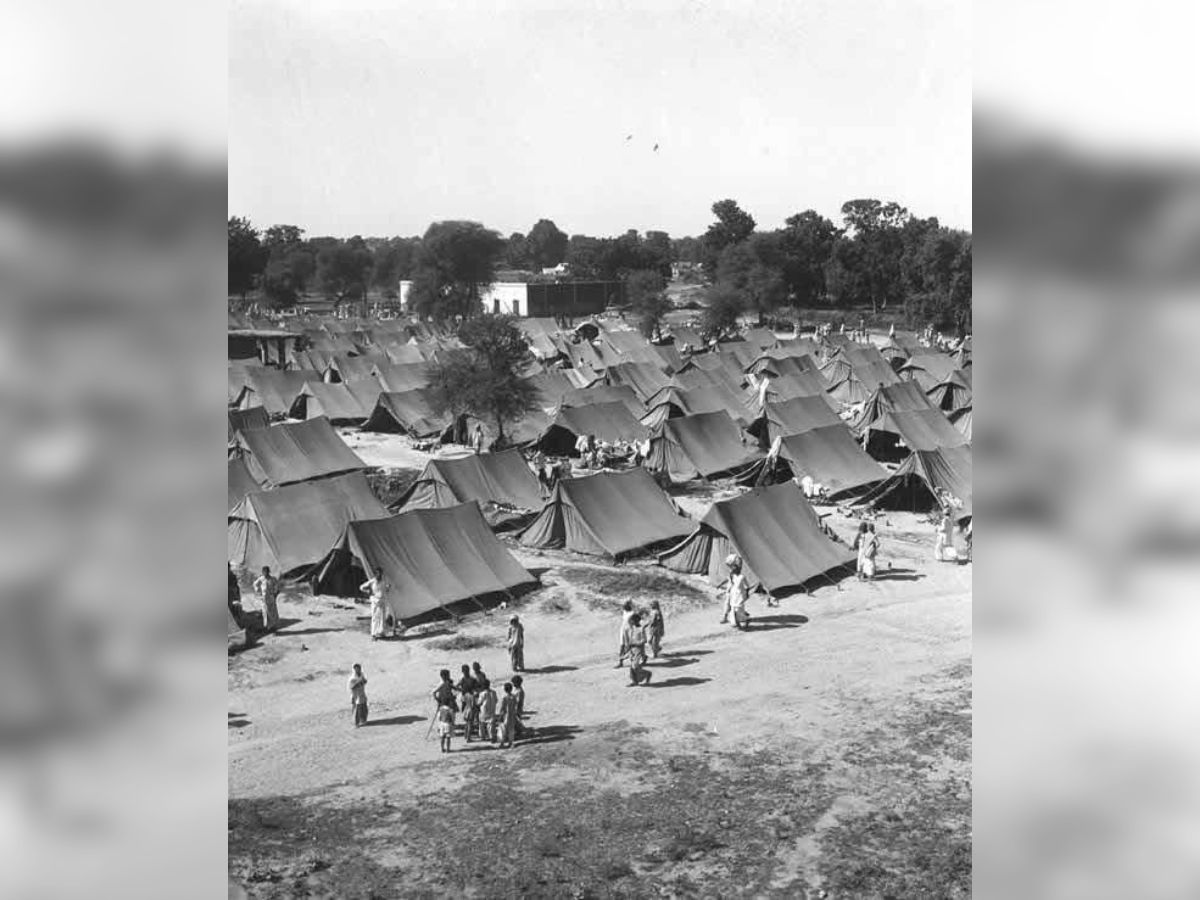
These photographs show abandoned houses, broken courtyards, and empty streets left behind in the rush to flee. Many families locked their doors, believing they would return within days, only to never see their homes again. Dust-covered furniture, fading wall paintings, and overgrown gardens silently hold stories of love, laughter, and everyday life. In some frames, new families occupy these spaces—strangers in rooms heavy with memory. The images are a haunting reminder that Partition was not only about people moving but also about the loss of spaces that held generations’ worth of heritage and identity.
Women of Partition
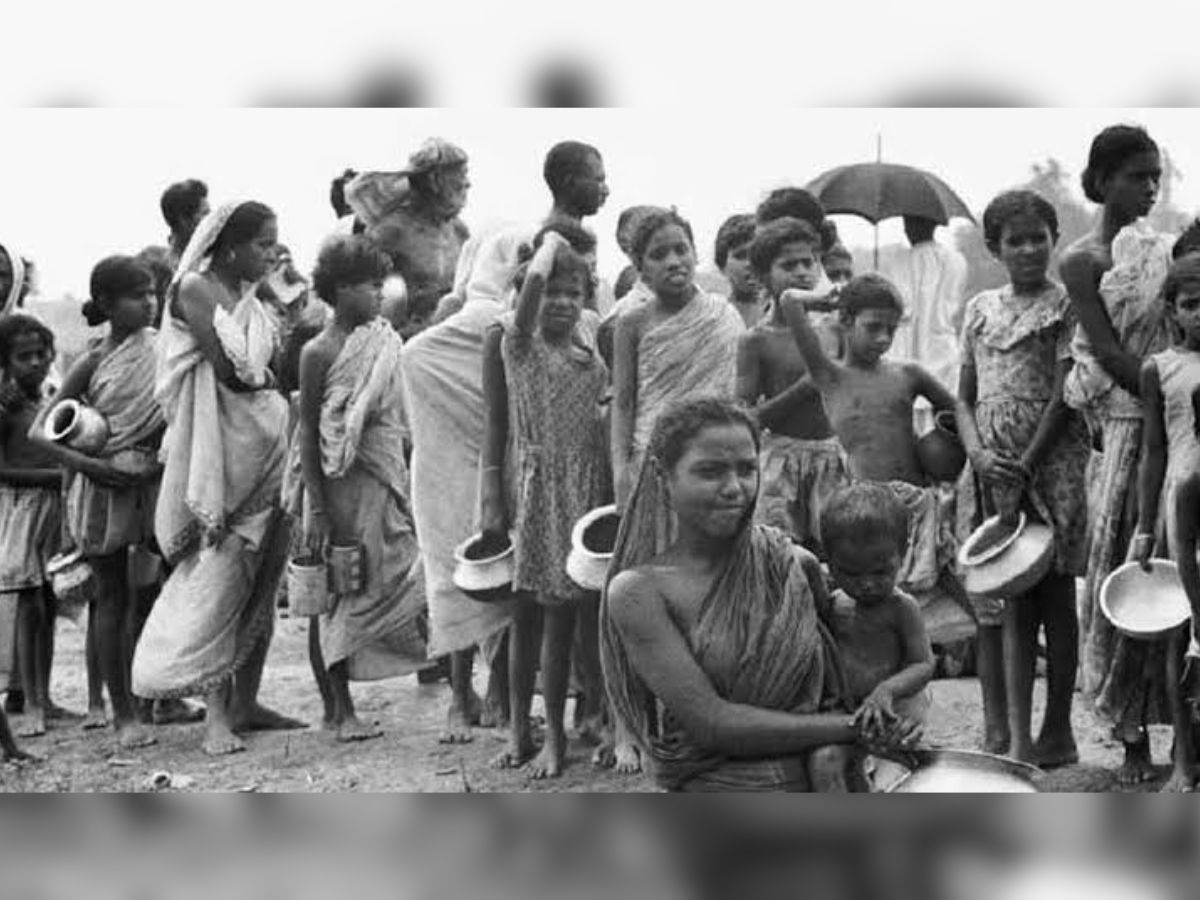
Women bore some of the heaviest burdens of Partition—facing violence, abductions, and the loss of their families. These photographs show women leading children through crowds, working to feed refugee camps, and staring into the camera with silent strength. Many were widowed overnight; others were forced into marriages or lost to trafficking. Yet, these images also highlight resilience—women rebuilding homes, sewing clothes, and creating new lives from the ruins. Their untold courage is a central but often overlooked part of Partition history, and this gallery honours their enduring spirit in the face of unimaginable trauma.
Children of the Divide
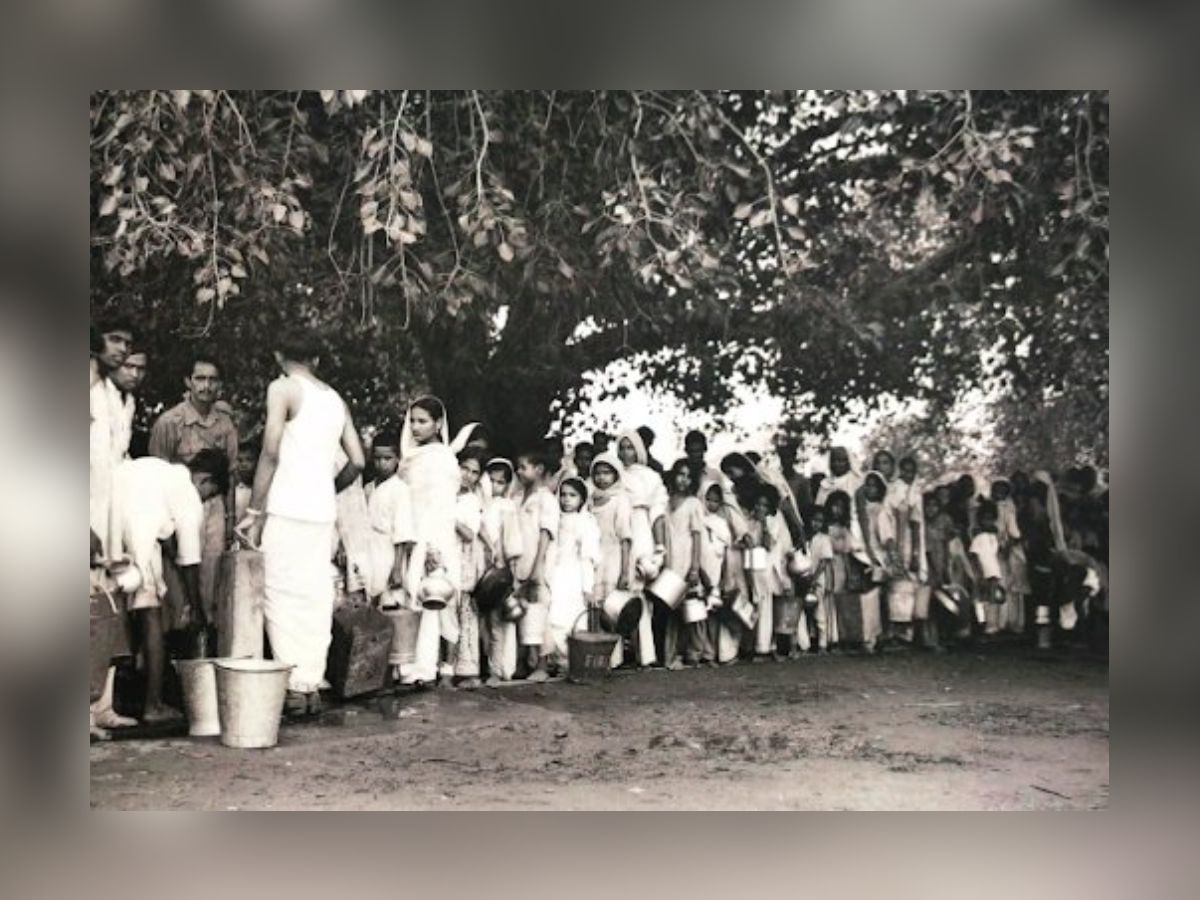
Among the most heartbreaking images from 1947 are those of children—lost, orphaned, or clinging to their parents in fear. This gallery captures their vulnerability and innocence amidst chaos. Barefoot children stand at refugee camp entrances; others peer curiously from bullock carts; some clutch makeshift toys amid the rubble. Many grew up with fragmented memories of their early lives, shaped entirely by displacement. These photographs remind us that the Partition’s scars were not just physical but emotional, carried into adulthood by a generation who began life in uncertainty and loss.
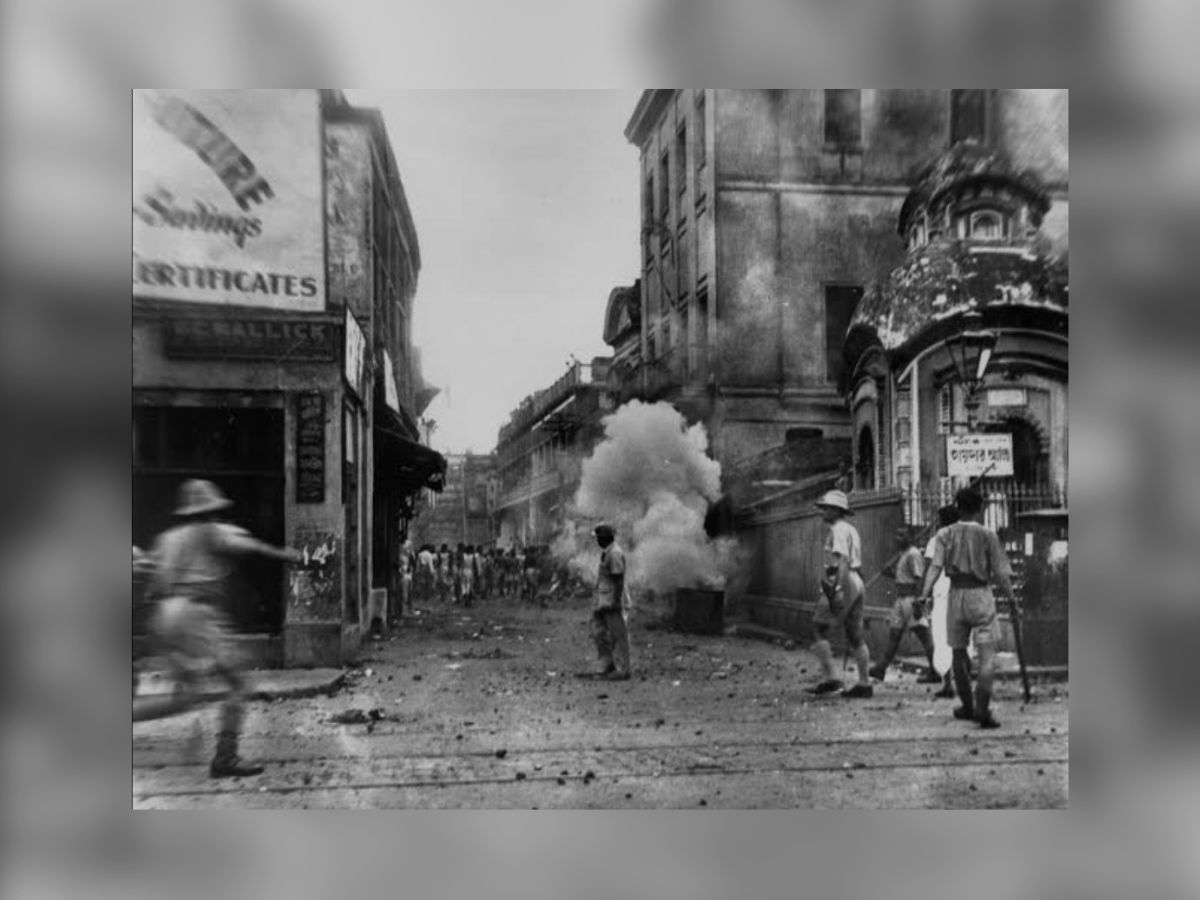
Streets Consumed by Partition Riots
The Partition of India in 1947 unleashed one of the most violent upheavals in modern history, as centuries-old communities were torn apart along religious lines. Cities and villages witnessed rampant riots, arson, and massacres, with law and order collapsing under the weight of chaos. Bengal and Punjab became epicentres of bloodshed, where Hindus, Muslims, and Sikhs found themselves trapped in cycles of revenge. Homes were destroyed, businesses looted, and countless people fled for safety. This period saw millions displaced and hundreds of thousands killed. The violence, etched into memories and photographs like this, remains a grim testament to the human cost of Partition.
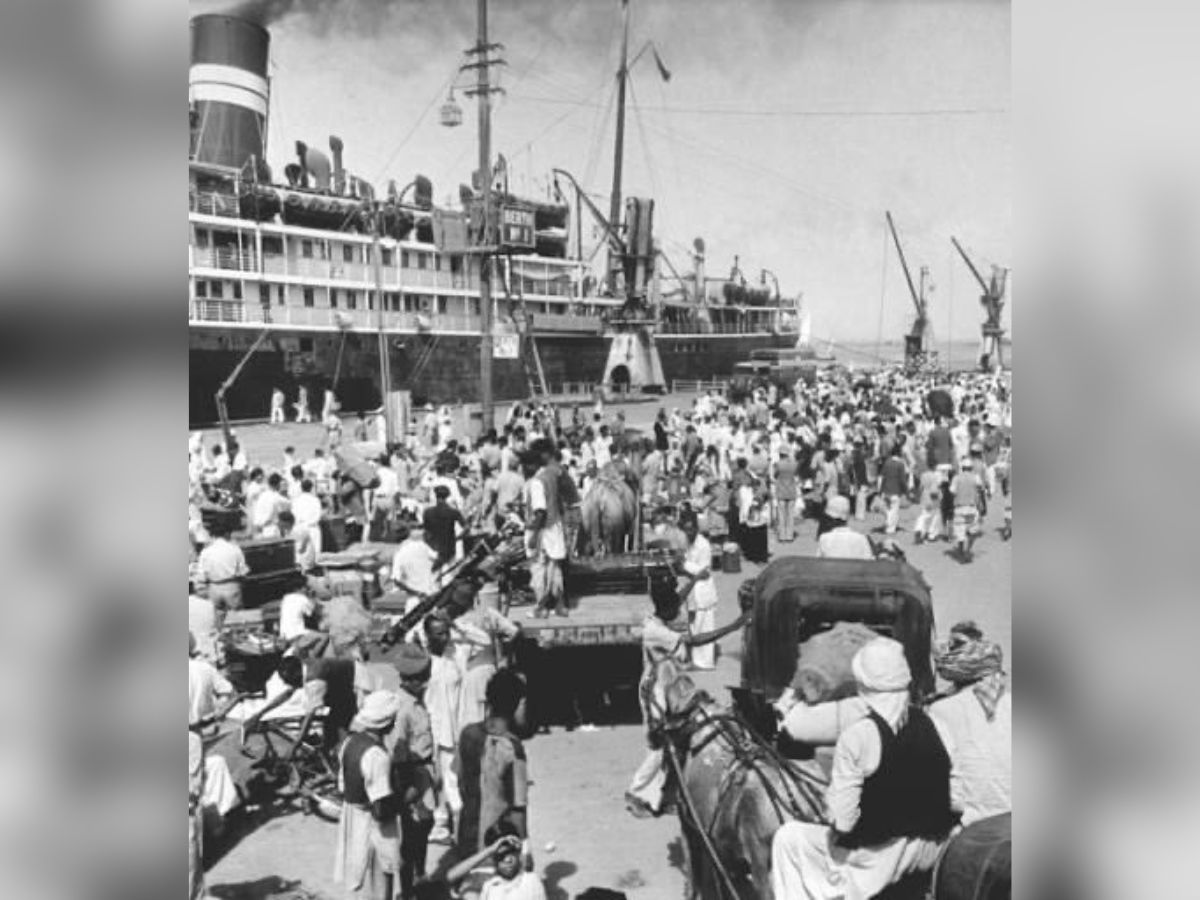
Partition Refugees Depart from the Docks in 1947
This image from the 1947 Partition portrays a bustling port overwhelmed with people preparing to leave their homes forever. Families, burdened with minimal belongings, gather alongside carts, animals, and crowded ships, seeking passage to territories aligned with their faith and identity. The scene reflects the urgency of the migration, driven by fear, uncertainty, and the need for safety in a suddenly divided land. While the ships offered a path to survival, they also marked the painful severance from ancestral lands, communities, and memories. It is a powerful reminder of the human cost of political decisions and the resilience of those displaced.




