
Nine Avatars Of Durga Maa! Which Durga Avatar Is Worshipped On Which Day? In Pics
Durga Puja is one of the most important festivals celebrated in India, especially in West Bengal, Assam, Odisha, Bihar, and many other parts of the country. It is the worship of Maa Durga, the goddess of strength, courage, and protection. The festival reminds us of the victory of good over evil.
The story behind Durga Puja goes back to ancient times when a demon named Mahishasura became very powerful. He prayed to Lord Brahma and got a blessing that no man or god could kill him. With this power, he started troubling the gods, taking over heaven, and spreading fear everywhere. None of the gods could defeat him, so they all went to Lord Vishnu, Lord Shiva, and Lord Brahma for help.
It was then decided that only a divine woman with the combined power of all gods could destroy Mahishasura. All the gods gave their energy together, and from that bright energy, Maa Durga was created. She appeared as a beautiful but fierce goddess with ten arms, each holding a weapon given by different gods Lord Shiva gave her a trident, Lord Vishnu gave her a discus, Lord Indra gave her a thunderbolt, and many others gave her weapons and powers. She rode on a lion, which became her vehicle, symbolizing bravery and strength.
Maa Durga fought Mahishasura for nine long days and nights. On the tenth day, she finally killed him. This day is called Vijayadashami or Dussehra, meaning the victory day. Durga Puja is celebrated every year to honor this great battle and to show that no matter how powerful evil becomes, it can never win against truth and goodness. The festival also teaches us to respect the power of women and to seek blessings from Maa Durga for courage, peace, and protection in our lives.
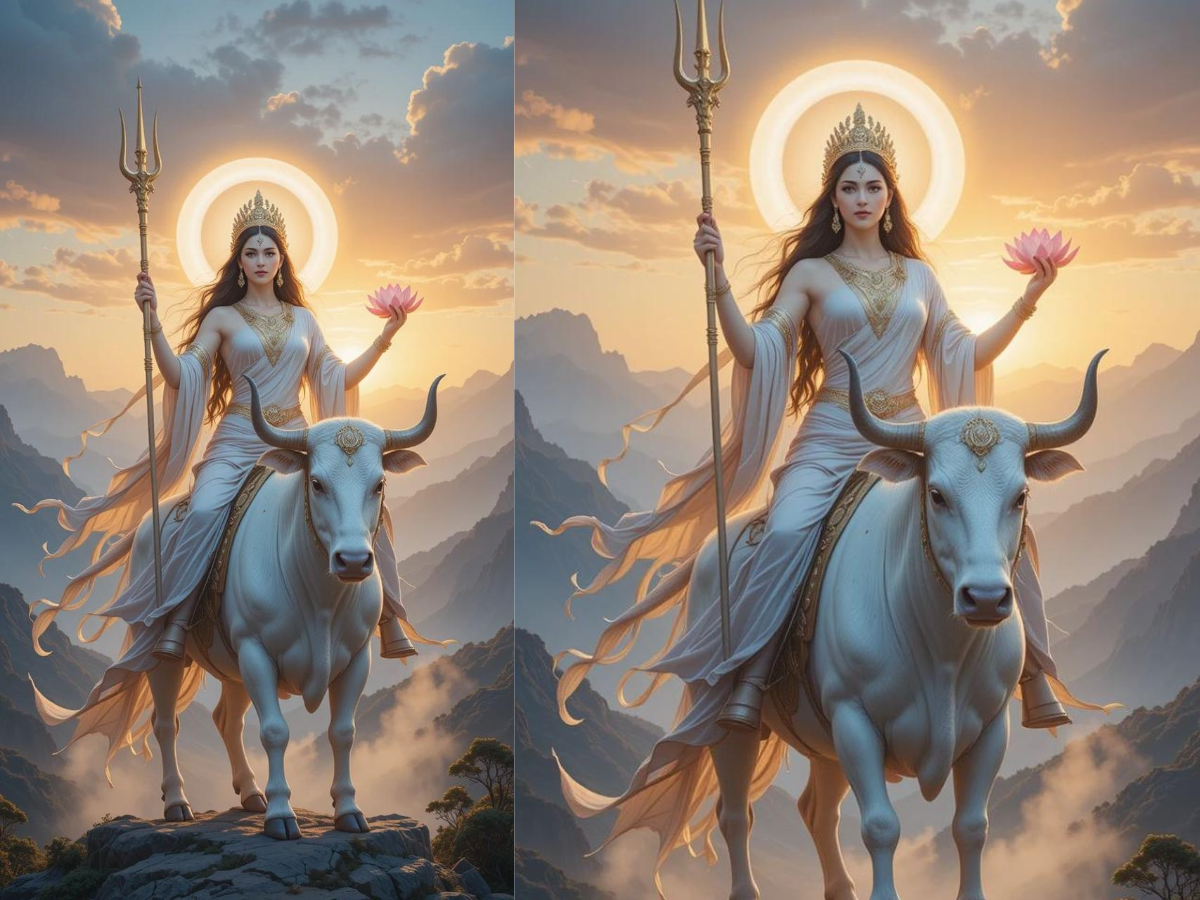
Day 1 – Maa Shailputri (Daughter of the Mountain)
Worshipped on: Pratipada
Form: She rides a bull, carries a trident and lotus.
Story: Born as the daughter of Himalaya, she is the reincarnation of Goddess Sati. In her previous birth, Sati immolated herself after her father insulted Lord Shiva. She took rebirth as Parvati (Shailputri).
Significance: Symbol of strength, devotion, and nature.
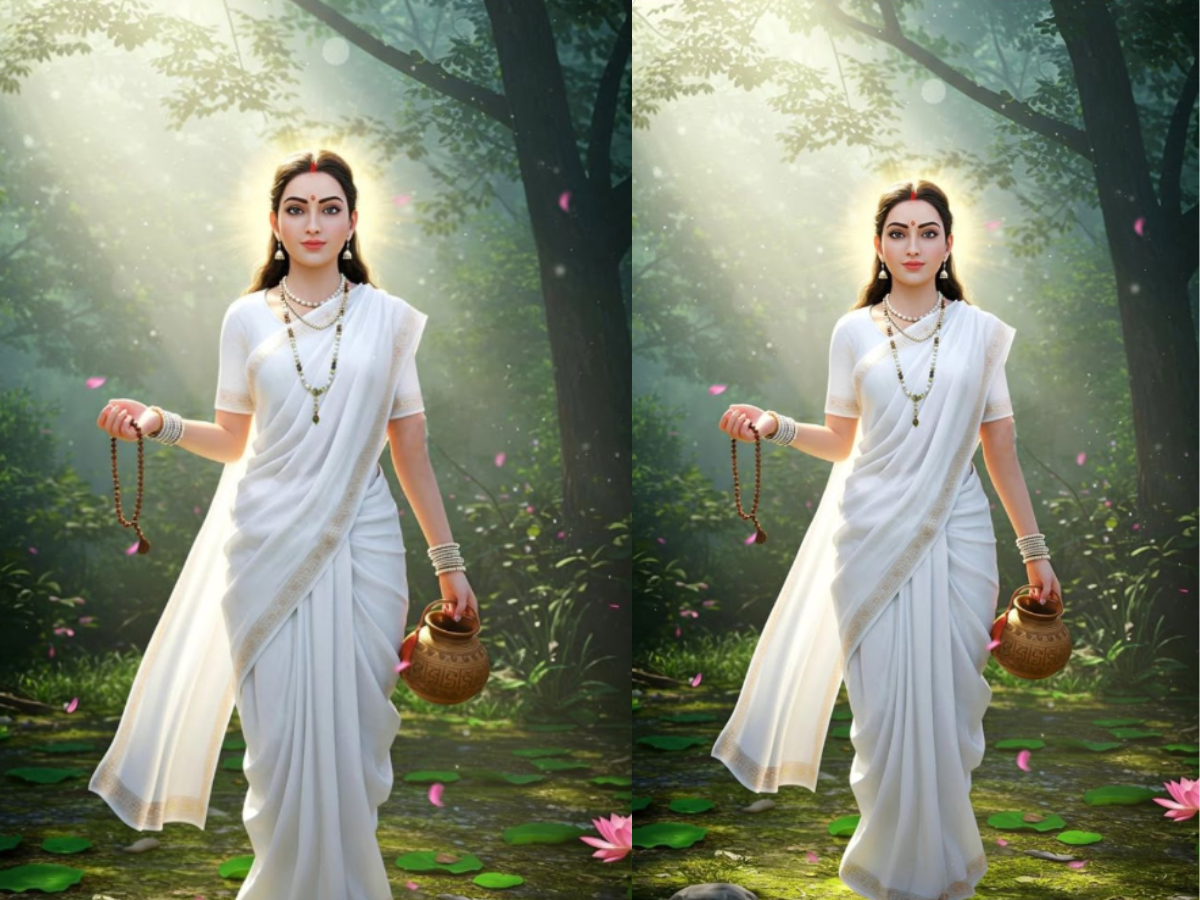
Day 2 – Maa Brahmacharini (The Ascetic)
Worshipped on: Dwitiya (2nd day)
Form: She walks barefoot, holds a rosary (japa mala) and a water pot (kamandal).
Story: As Parvati, she performed severe penance for thousands of years to win Lord Shiva as her husband. Her name "Brahmacharini" means one devoted to austerity.
Significance: Represents patience, penance, and devotion.
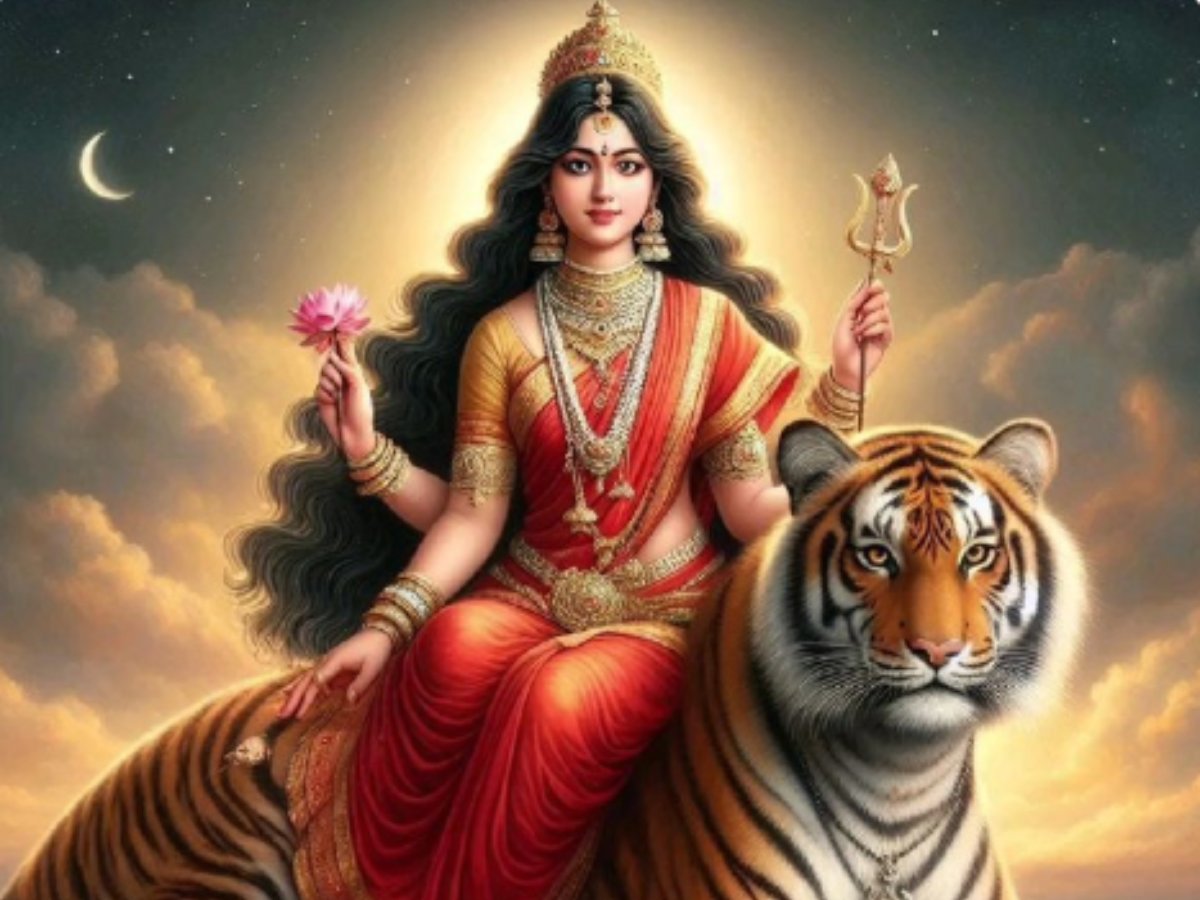
Day 3 – Maa Chandraghanta (The Bell-shaped Moon)
Worshipped on: Tritiya (3rd day)
Form: She rides a tiger, has 10 hands, and a crescent moon on her forehead like a bell.
Story: After marrying Lord Shiva, Parvati adorned her forehead with a half-moon shaped like a bell. She transformed into a fierce warrior goddess to fight evil.
Significance: Symbol of bravery and protection from negative forces.
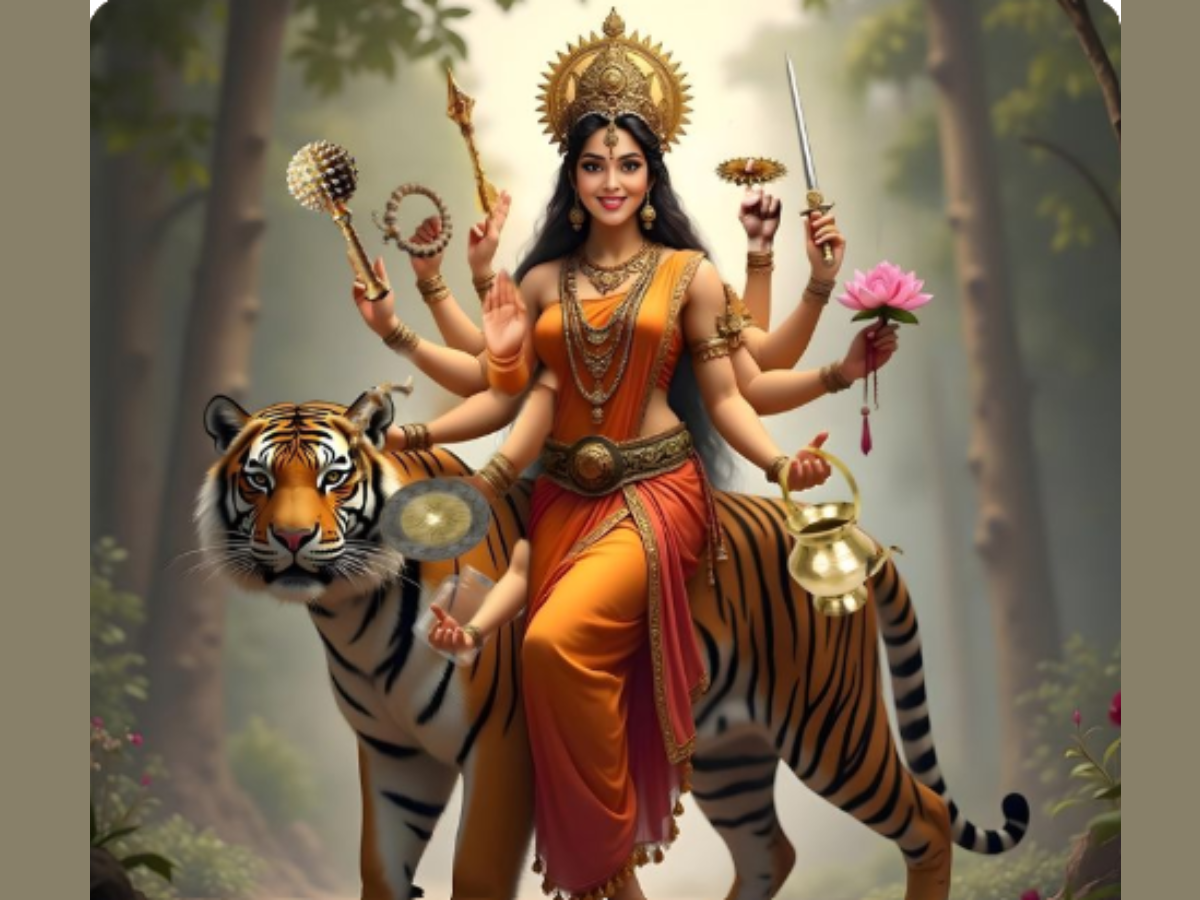
Day 4 – Maa Kushmanda (Creator of the Universe)
Worshipped on: Chaturthi (4th day)
Form: She rides a lion, has 8 hands, and holds weapons, rosary, and a jar of nectar.
Story: When the universe was in darkness, Maa Kushmanda smiled and her divine radiance created the sun, bringing life and energy to the cosmos.
Significance: She is considered the source of energy and vitality.
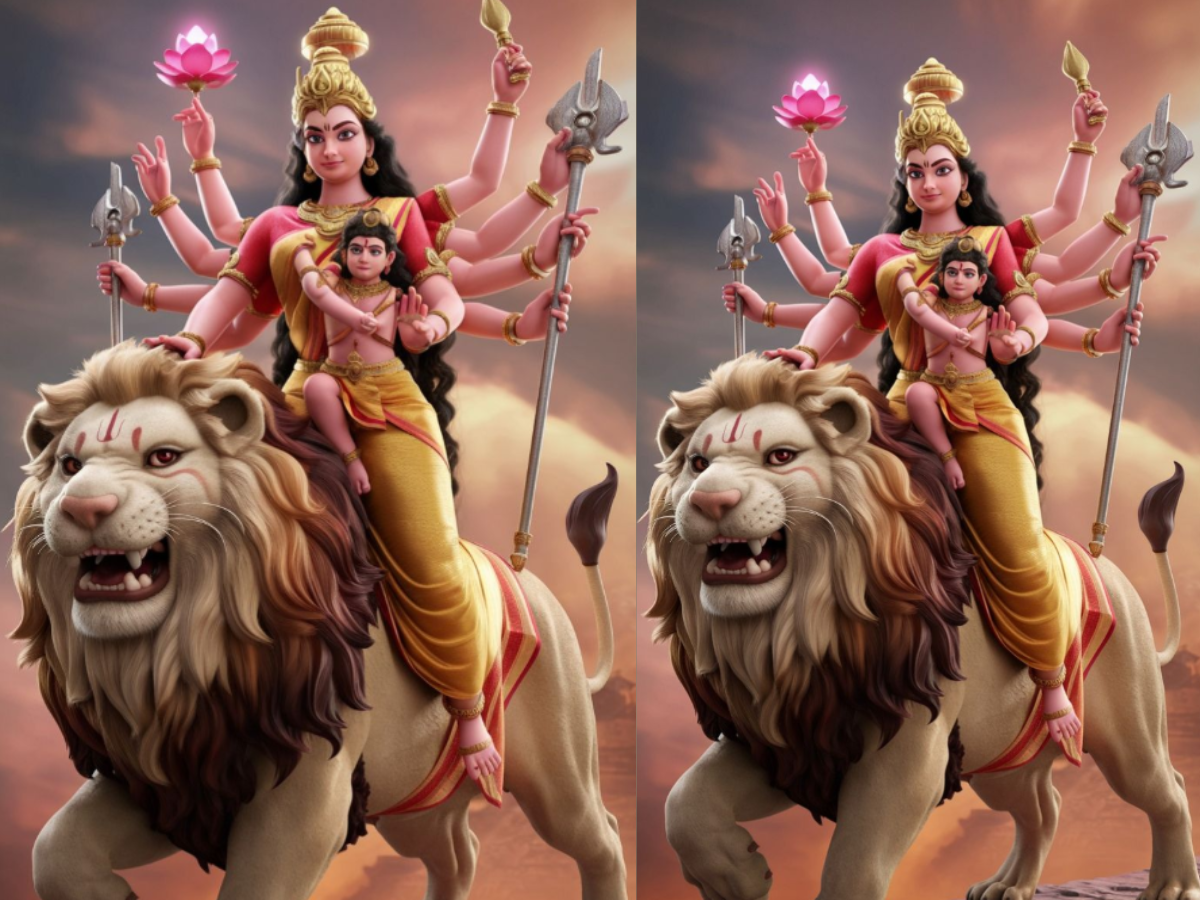
Day 5 – Maa Skandamata (Mother of Skanda/Kartikeya)
Worshipped on: Panchami (5th day)
Form: She rides a lion and carries her son Kartikeya (Skanda) on her lap.
Story: After Parvati gave birth to Kartikeya, the commander of the gods’ army, she became known as Skandamata. She blesses devotees with wisdom and prosperity.
Significance: Represents motherly love and courage.
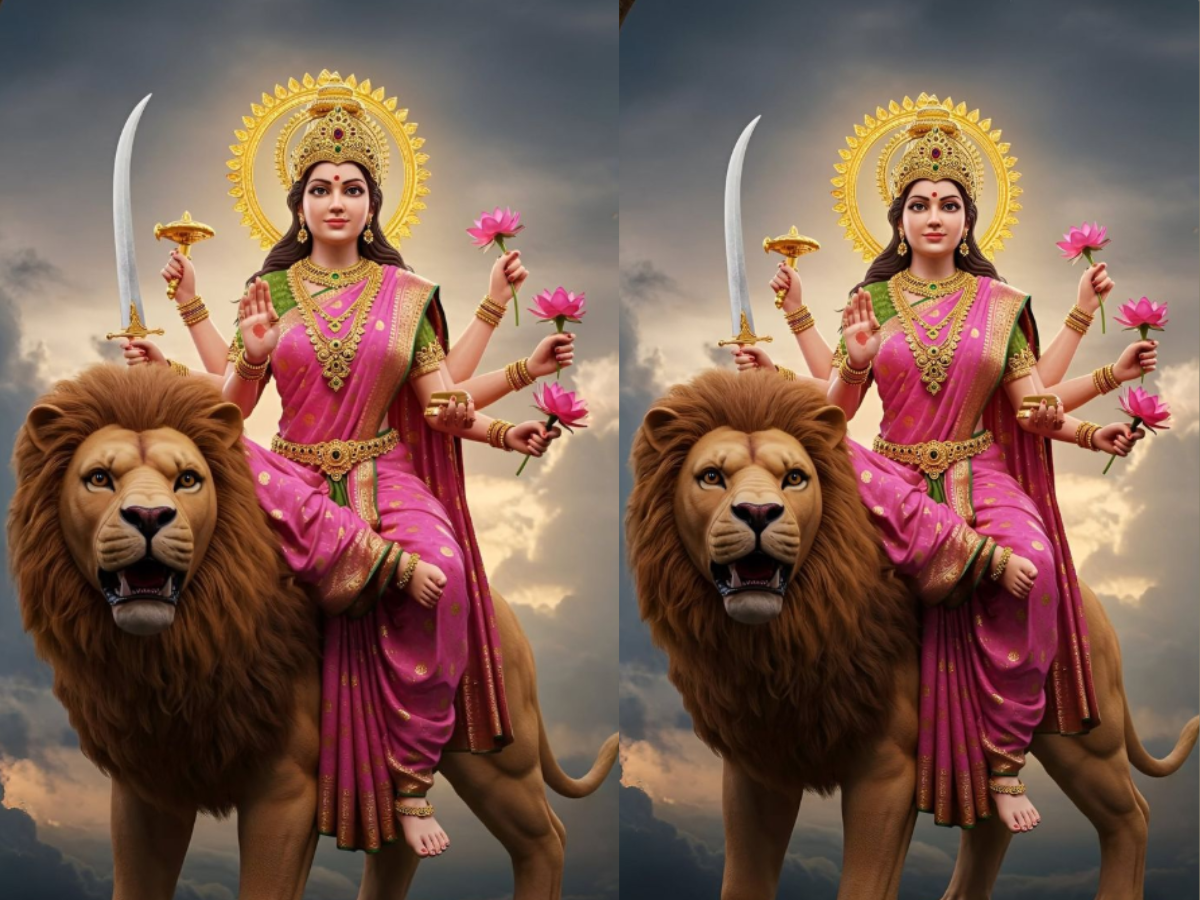
Day 6 – Maa Katyayani (The Warrior Goddess)
Worshipped on: Shashthi (6th day)
Form: She rides a lion, carries a sword, lotus, and blesses with her mudra.
Story: Born to Sage Katyayan as an avatar of Durga, she destroyed the demon Mahishasura. She is a fierce warrior form of the Goddess.
Significance: Symbol of courage, victory over evil, and righteousness.
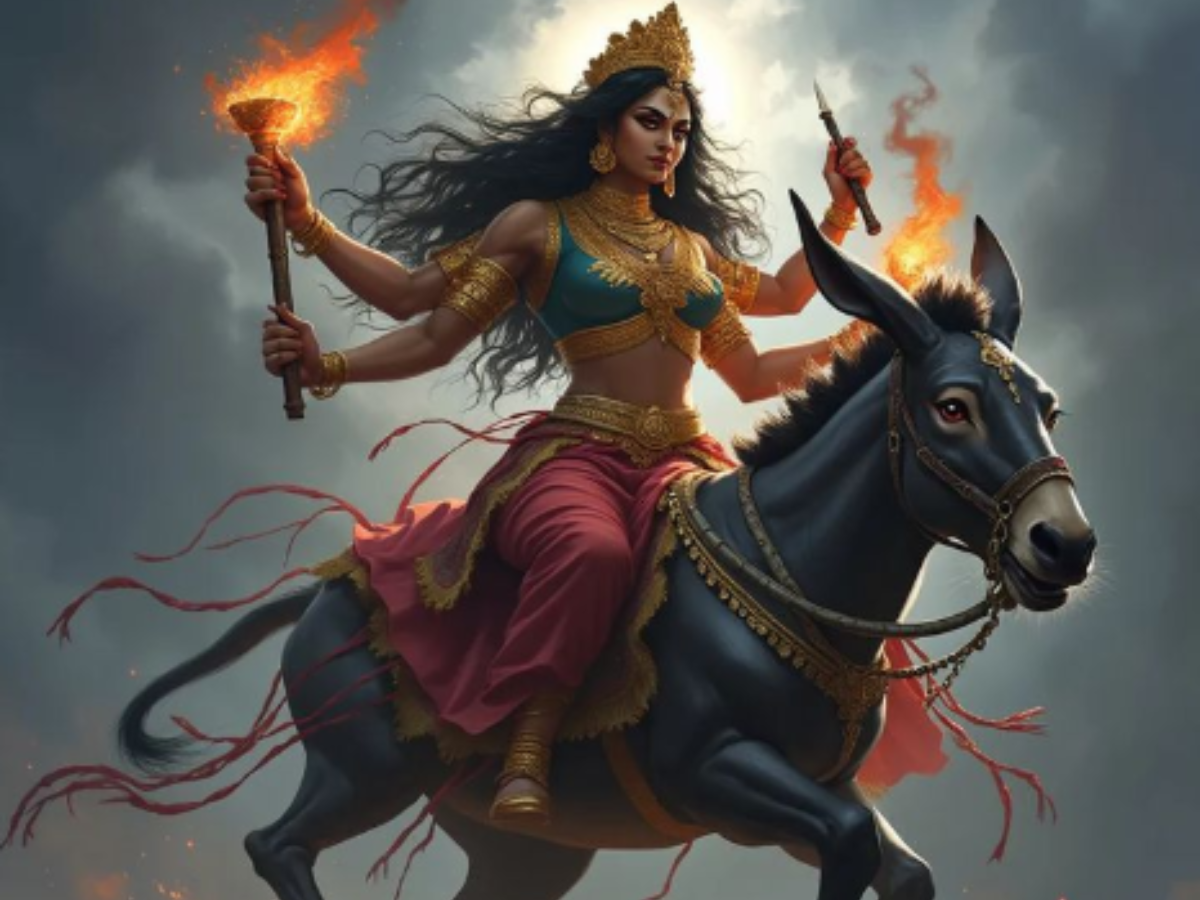
Day 7 – Maa Kalaratri (The Dark Night)
Worshipped on: Saptami (7th day)
Form: She appears in dark complexion, has unkempt hair, rides a donkey, and carries a sword.
Story: To destroy demons like Shumbha and Nishumbha, Maa took this fierce form. Despite her terrifying appearance, she protects devotees from harm.
Significance: Represents the destruction of ignorance, darkness, and fear.
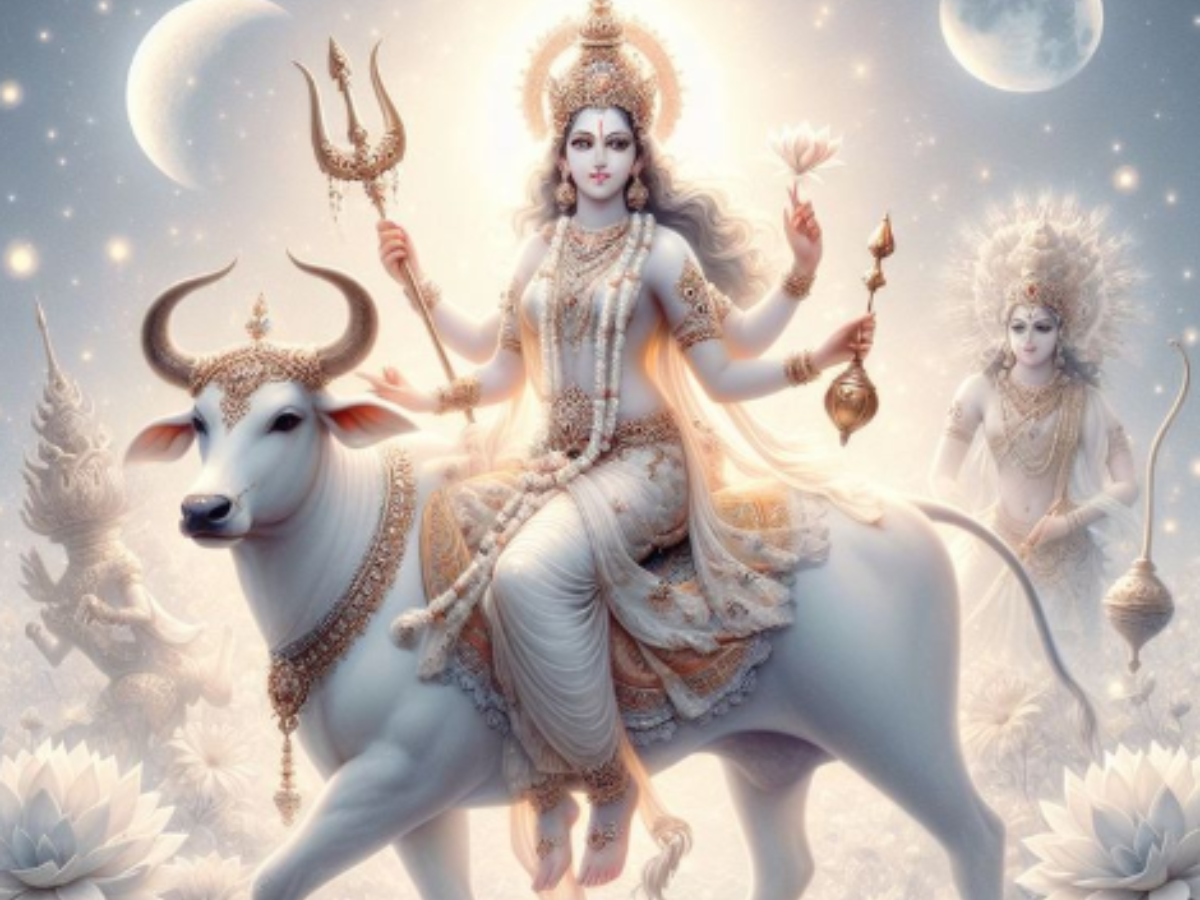
Day 8 – Maa Mahagauri (The Pure and Radiant)
Worshipped on: Ashtami (8th day)
Form: She rides a bull, wears white clothes, and radiates purity.
Story: After years of penance covered in dust and hardships, Lord Shiva washed Parvati in the Ganga, turning her radiant and fair, hence called Mahagauri.
Significance: Symbol of purity, peace, and serenity.
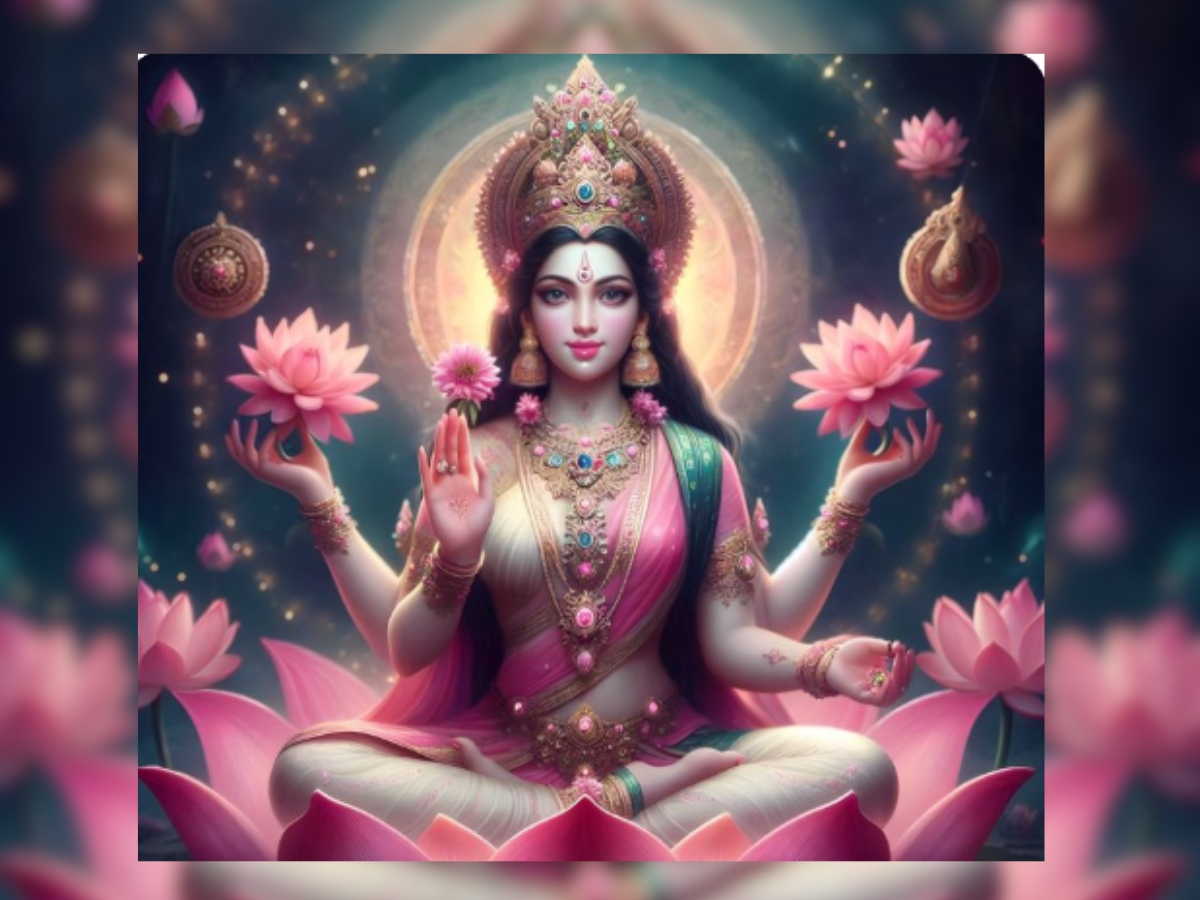
Day 9 – Maa Siddhidatri (The Giver of Siddhis)
Worshipped on: Navami (9th day)
Form: She sits on a lotus, has four arms, and holds a mace, discus, lotus, and conch.
Story: Maa Siddhidatri blesses devotees with 8 supernatural powers (siddhis). Even Lord Shiva received siddhis from her and became Ardhanarishvara (half Shiva, half Shakti).
Significance: Symbol of spiritual wisdom, fulfillment, and perfection.




