
What is Eyelid Disease? Check Causes, Symptoms, and Effective Treatment Options
Eyelid disease refers to various conditions that affect the eyelids, including inflammation, infection, and gland blockages. Common types include blepharitis, stye, chalazion, and meibomianitis. Symptoms like swelling, itching, etc.
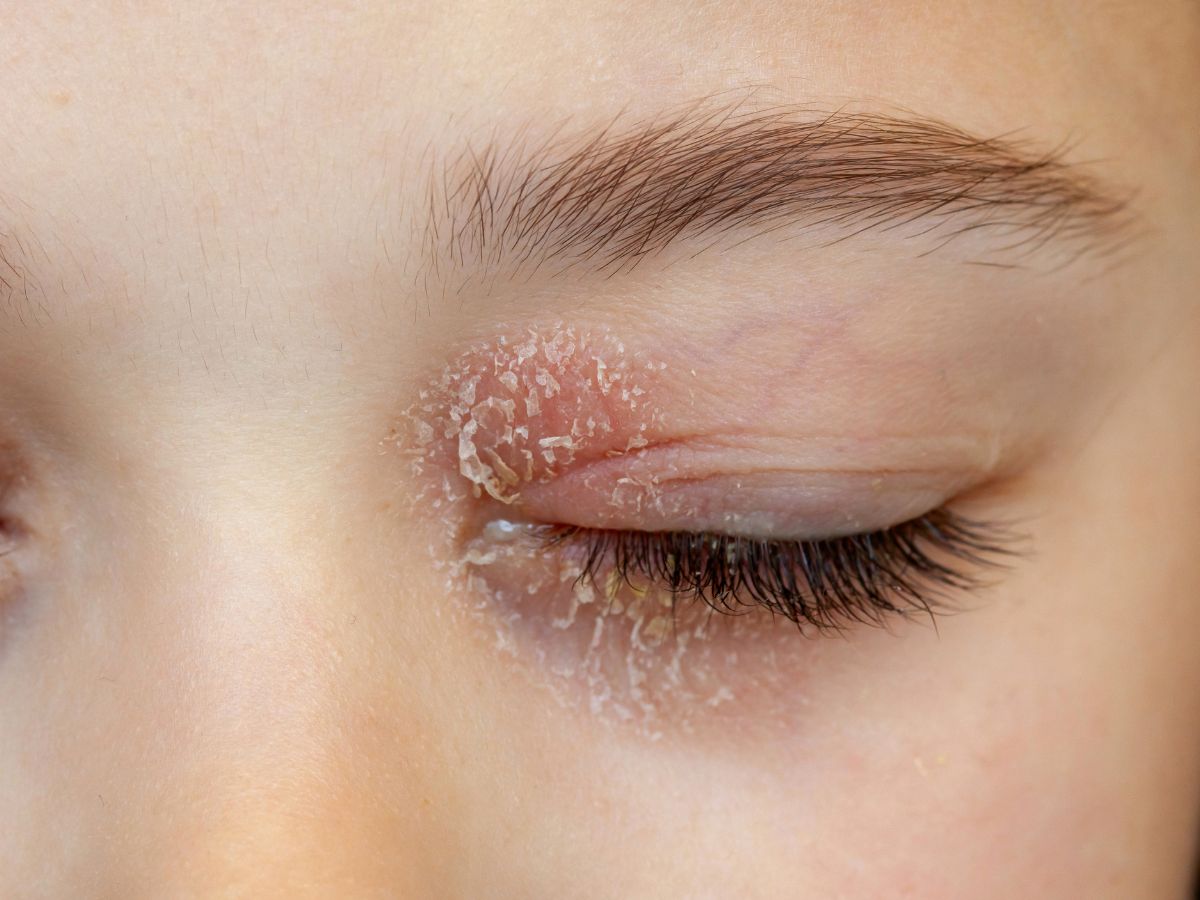
What is Eyelid Disease?
Eyelid disease is a collective term for conditions such as allergies, infection, or tumors that result in eyelid inflammation and swelling.

Common Types
There are a few types which have been noticed so far, like blepharitis (inflammation), stye (bump caused by an infection), chalazion (blocked oil gland), and meibomianitis (inflammation of the oil gland) are some of the common eyelid problems.

Main Symptoms
If you are facing redness, swelling, itching, crusting near the lashes, painful lumps, and watery or irritated eyes, you must visit the doctor, as these are a few symptoms of Eyelid disease.
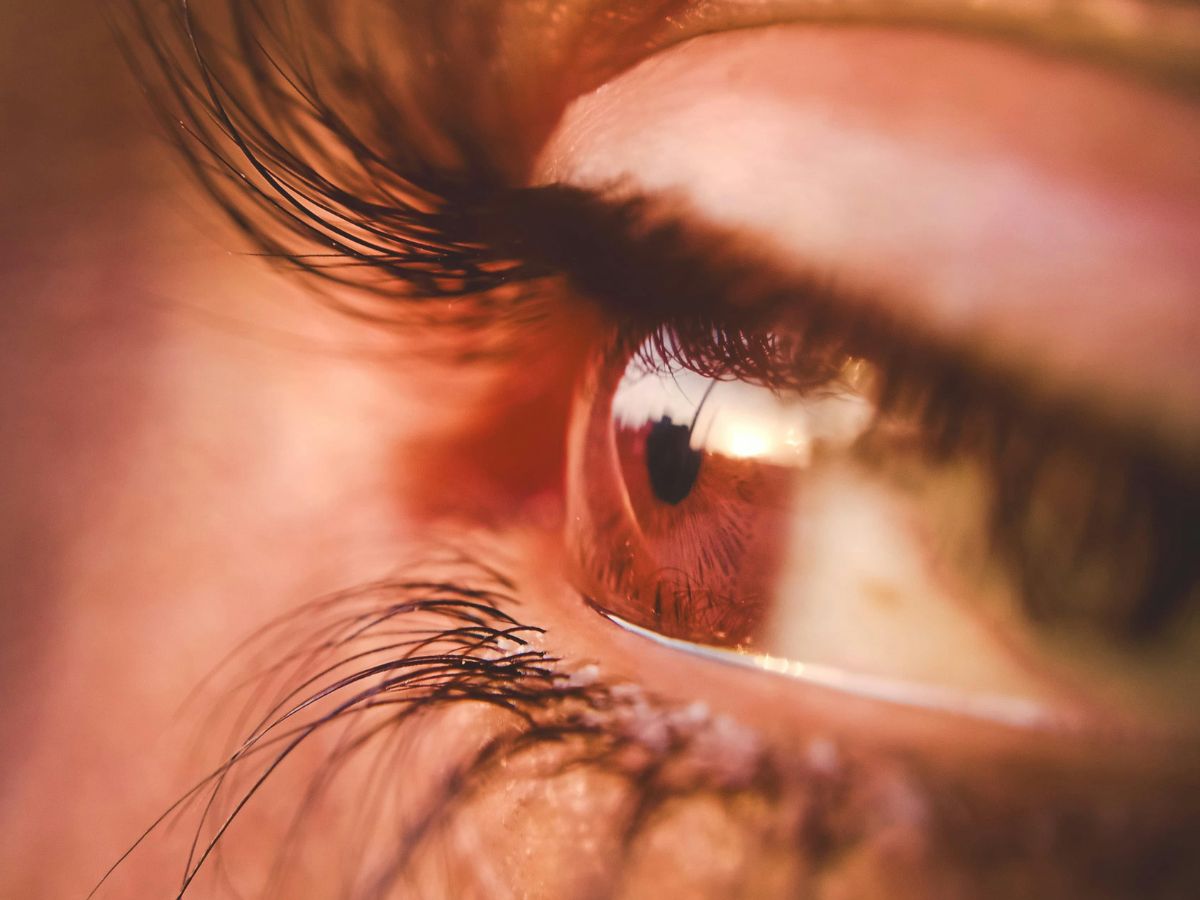
Causes and Risk Factors
This is generally caused by bacteria that end up as eyelid diseases, skin problems (i.e., dermatitis or rosacea), clogged oil glands, or poor eyelid care can be the main initiators of the condition.
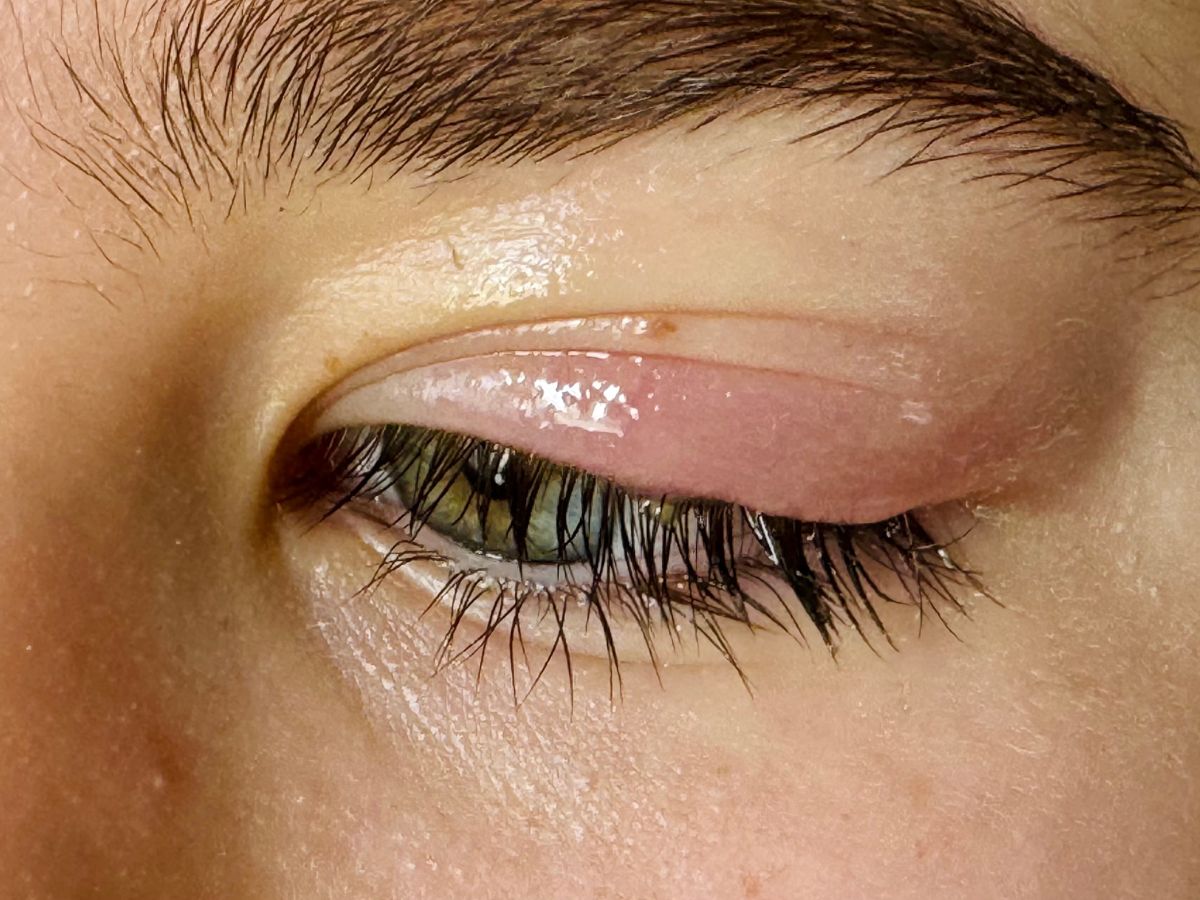
Treatment Options
The majority of eyelid diseases can be successfully treated with warm compressing, correct eyelid cleaning, antibiotic treatment, and in some cases, surgery.

Disclaimer
This is for informational purposes only. However, it is advisable to consult a healthcare professional for personalized suggestions.




