
Does Ghee Impact Cholesterol Level?
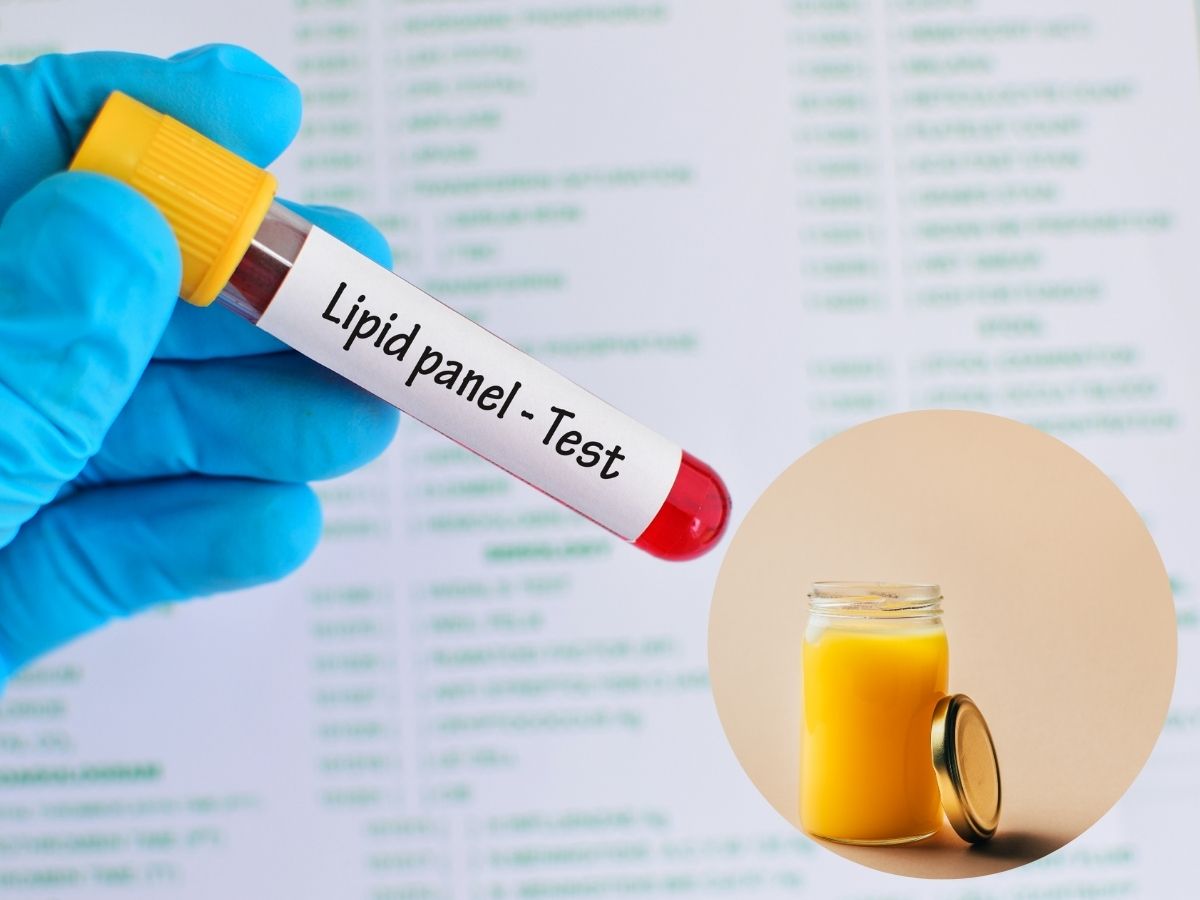
Ghee and Heart Health: Ghee, especially grass-fed, can positively influence lipid profiles by increasing HDL (good) cholesterol, which supports heart health. Moderate consumption may also help reduce LDL (bad) cholesterol, particularly when it replaces unhealthy fats in the diet. Some studies indicate ghee can lower total cholesterol, LDL, VLDL, and triglycerides in a dose-dependent manner, improving overall lipid balance. However, excessive intake, especially in sedentary individuals or those with pre-existing conditions, may elevate LDL cholesterol and increase cardiovascular risk. While ghee can be part of a heart-healthy diet, moderation and lifestyle factors are key to maximizing benefits and minimizing risks.
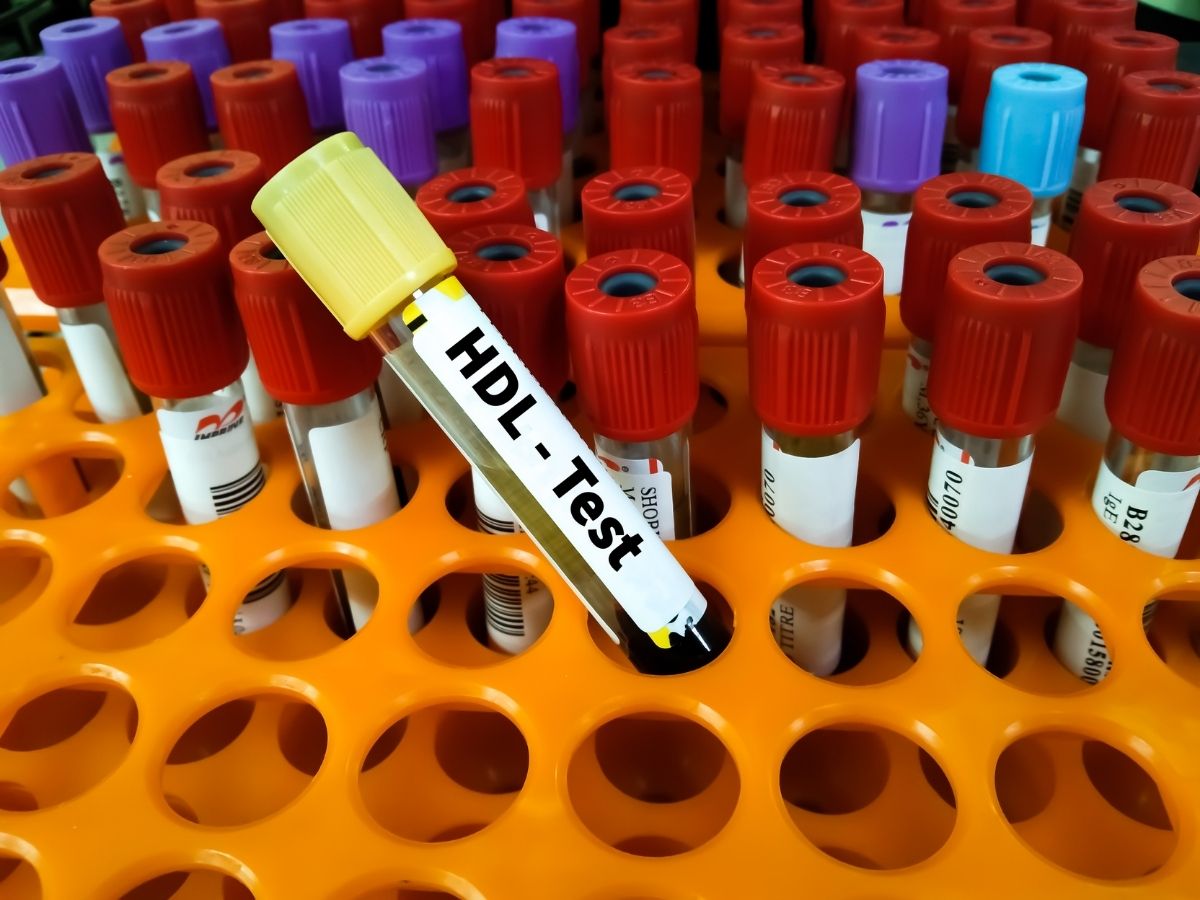
Raised HDL cholesterol (good cholesterol)
Some experts hold that having ghee, particularly of the grass-fed kind, may be conducive to raising HDL cholesterol and thus to improving heart health and cardiovascular functioning naturally.
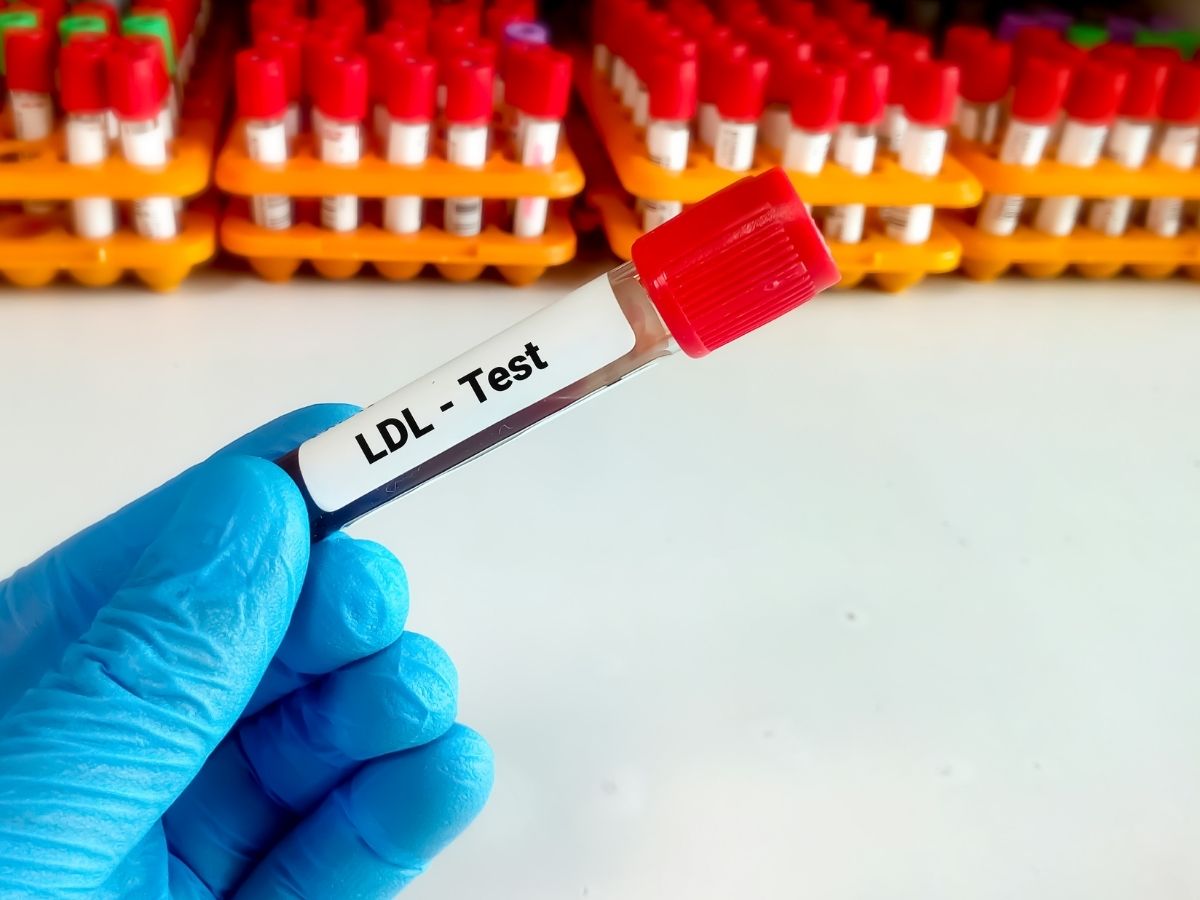
Lowered LDL cholesterol (bad cholesterol) potential
Putting ghee in moderation, more specifically to substitute unhealthy fats, could be useful in decreasing LDL cholesterol. This aids in a beneficial lipid profile and prevents heart disease.
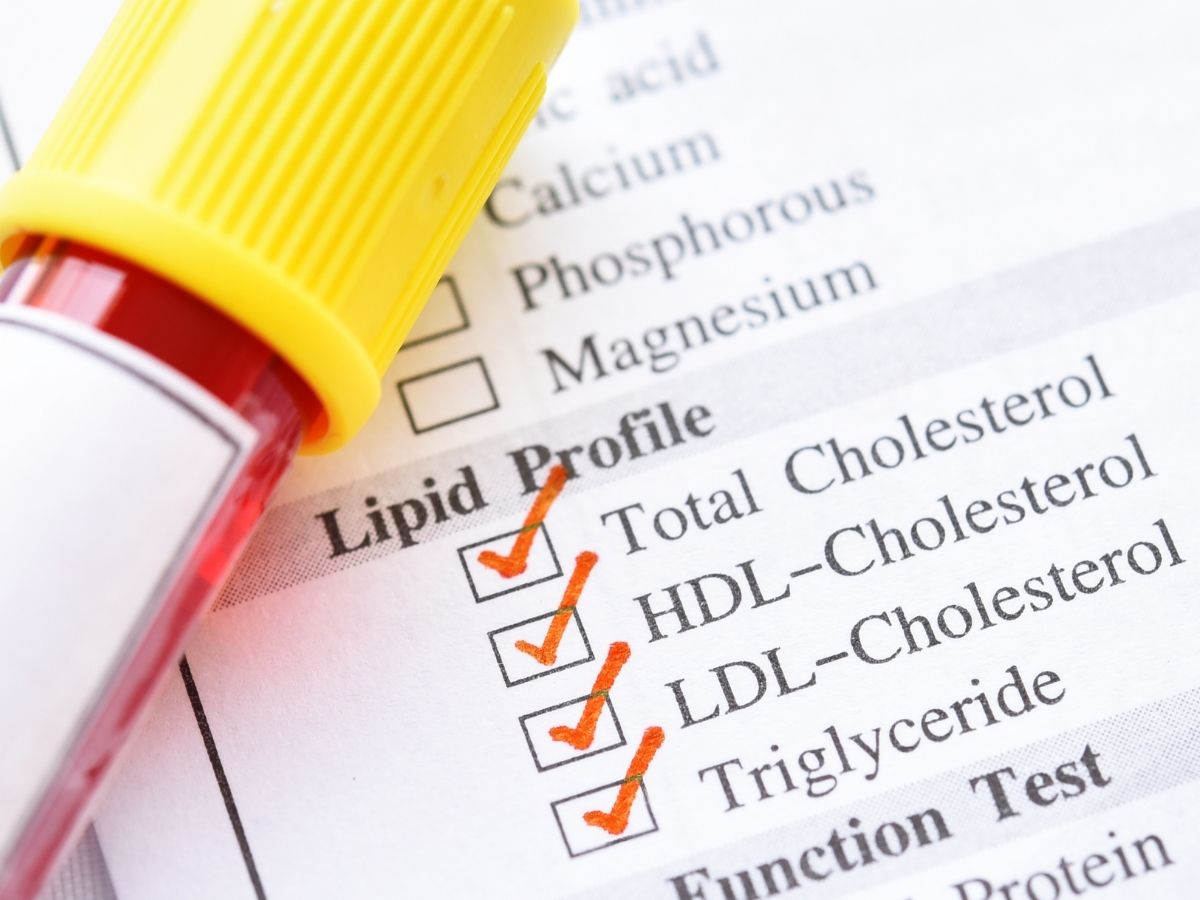
Positive effect on other lipids
In a dose-dependent manner, ghee consumption has been shown to bring down total cholesterol, LDL, VLDL, and triglycerides. balancing the lipid profile and aiding metabolism.
Elevated LDL cholesterol
Increased ghee intake, particularly among sedentary people or people with pre-existing health conditions, may cause an increase in LDL cholesterol and thus cardiovascular risks.
Effectiveness against heart diseases
Saturated fats, including ghee, would probably increase a person's risk of developing heart disease depending on his or her lifestyle, genes, and overall eating habits.

Disclaimer
This information is sourced from the National Institute of Health (NIH). However, it is advisable to consult a healthcare professional for personalised advice.




