
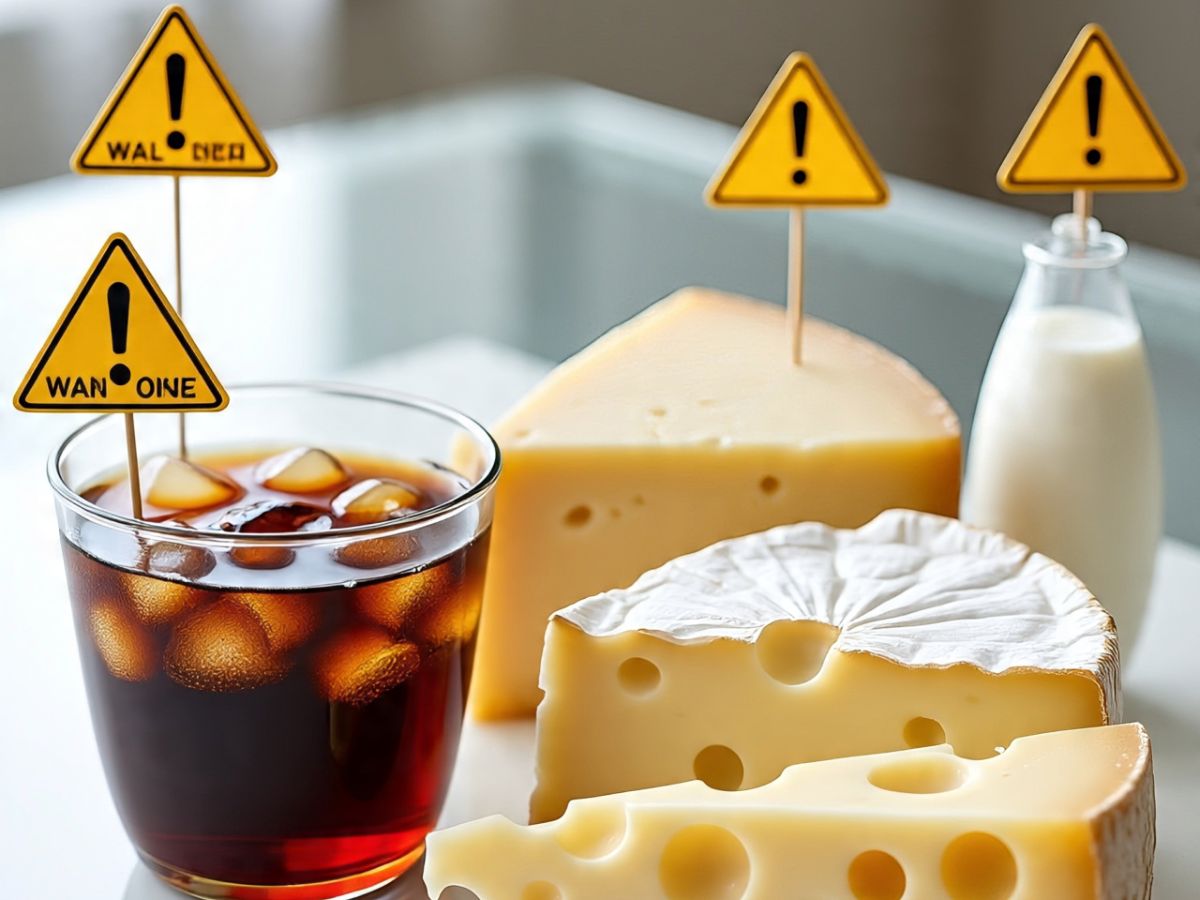

Many foods in your routine can harm your bones, slowly leading to fractures and osteoporosis. Knowing which foods to control will benefit your bone health.
Salted foods fall first on the list. High sodium intake means a lot of calcium loss comes out with the urine sample because sodium is calcium’s bad guy. A few sodium examples are processed snacks, certain baked bread products, cold cuts, and canned soup.
Foods, including many drinks, globally with sugar go together, too. Too much sugar means that lesser calcium absorption occurs with regard to the mineral calcium. When the body overdoes it on sugar, inflammation occurs, which means that inflammation can lead to greater bone loss, as well.
Caffeine in coffee, tea and sodas, will decrease calcium absorption, but this is slight, only detected in excess. Therefore, it is best to control caffeine, or balance it with calcium for food.
Alcohol eats away its bone density through glandular hormone regulation to maintain bone formation. As studies have established, heavy drinking losses have higher documented rates of osteoporosis than drinkers who are doing something not terribly damaging.
Instead, eat moderate amounts of vegetables that contain oxalate (beet greens, spinach, Swiss chard, rhubarb) as they will not allow calcium to bond together to be made available by the body for bones. Even if you don’t eat these vegetables, if you still consume the calcium, vitamin D and other nutrients needed for good bone health and consume fruits, vegetables and lean protein, you are certainly helping to make better bones and decreasing the risk of fractures.
By doing these two very simple things and eating balanced, healthy meals over a lifetime, you are actually providing long-lasting, positive support for your bones.
This content is for informational purposes only and not a substitute for medical advice. Always consult a healthcare professional or nutritionist for guidance on bone health and diet.
Vani Verma is a content writer with over 2 years of experience in lifestyle, entertainment, health and digital media. She has a knack for creating engaging and research-driven content that resonates with readers, blending creativity with clarity. Passionate about media trends, culture, and storytelling, she strives to craft content that informs, inspires, and connects.




