B-2 Spirit Stealth Bomber in Iraq War: Precision Strikes, Psychological Impact, and Legacy of America’s Invisible Weapon
When the United States began the Iraq War in March 2003, the B-2 Spirit stealth bomber was crucial. In its initial missions, it released precision-guided bombs over Baghdad, striking command centers and military facilities to weaken Saddam Hussein’s defense system within hours.
The Opening Salvo
In March 2003, the B-2 Spirit stealth bomber launched precision strikes on Baghdad, crippling Saddam Hussein’s defense system within hours and showcasing America’s overwhelming air dominance.
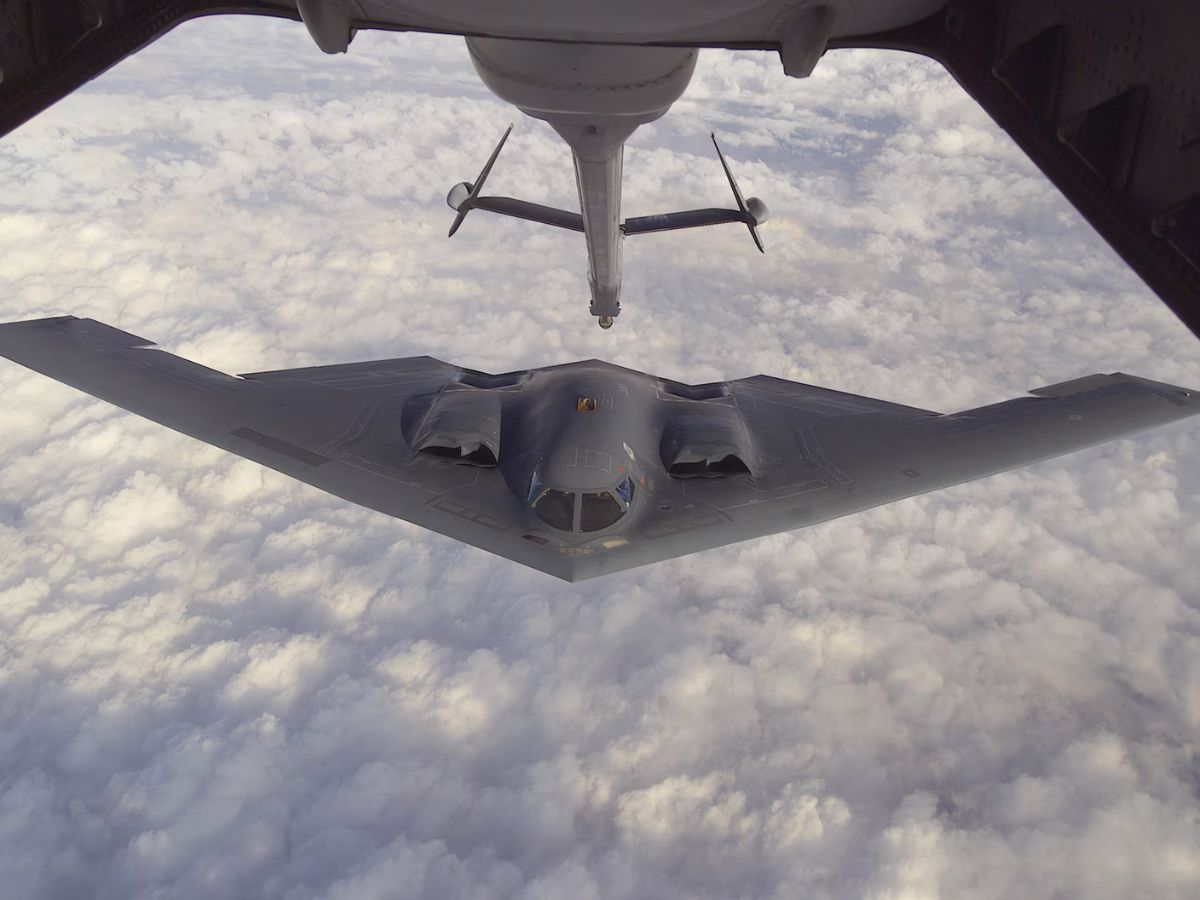
Flying Directly from the US
B-2 bombers flew nonstop from Missouri, enduring 30-hour missions, proving unmatched global reach by striking Iraq directly without dependence on overseas bases or vulnerable forward runways.
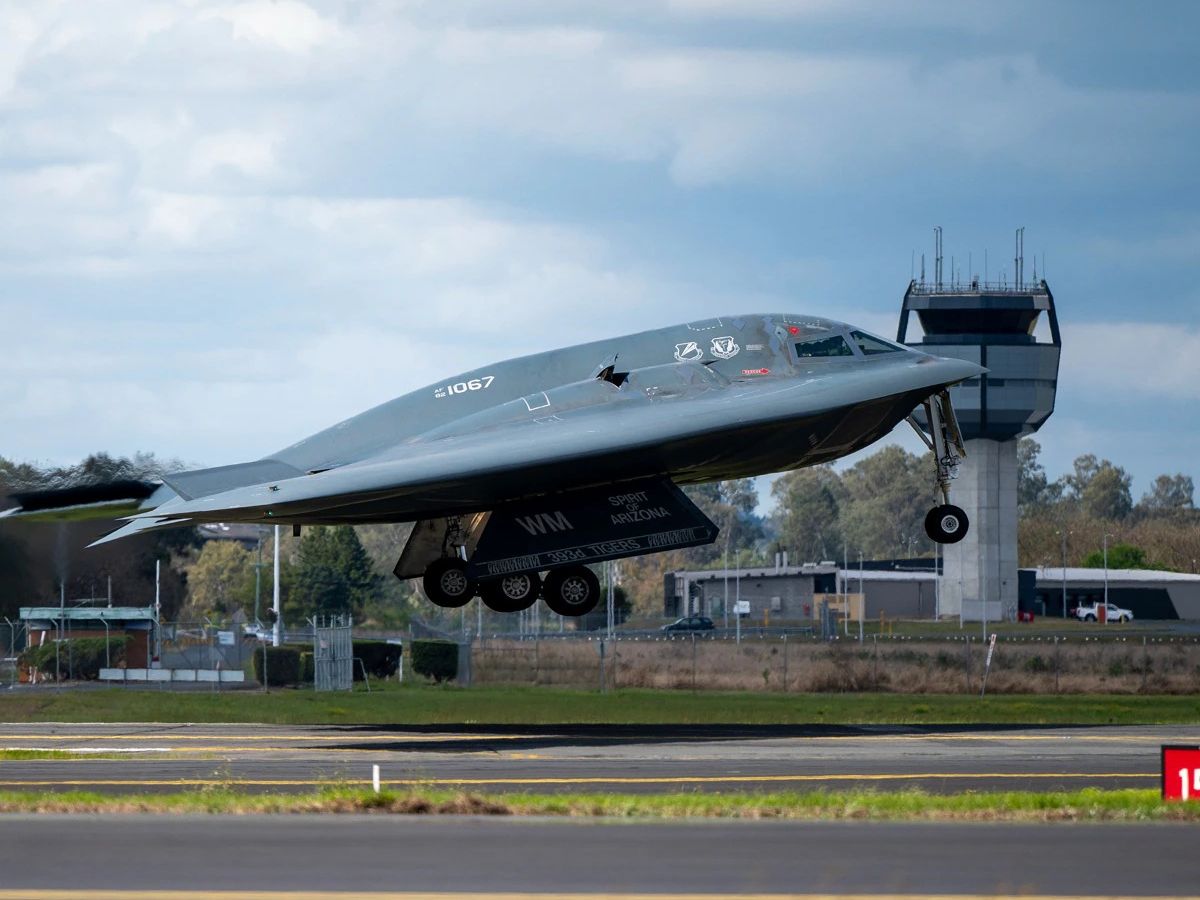
Precision and Stealth
With radar-evading design, the B-2 penetrated deep into Iraqi airspace undetected, destroying high-value targets with surgical accuracy before defenses could react, ensuring minimal risk to American pilots.
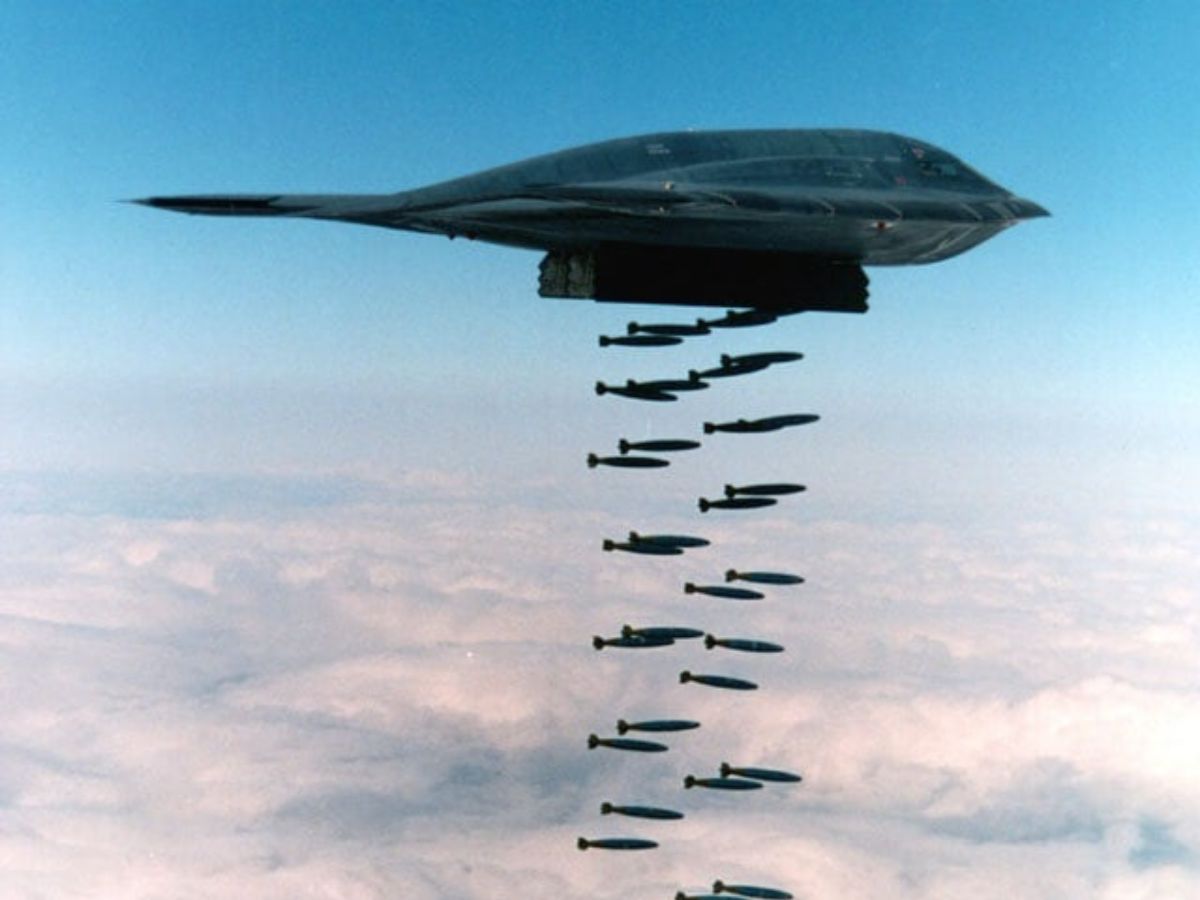
GPS-Guided Warfare
Using JDAM satellite-guided bombs, B-2s destroyed Iraqi command centers, communication hubs, and bunkers in Baghdad with unmatched precision, reducing civilian casualties and ensuring accurate, effective military strikes.
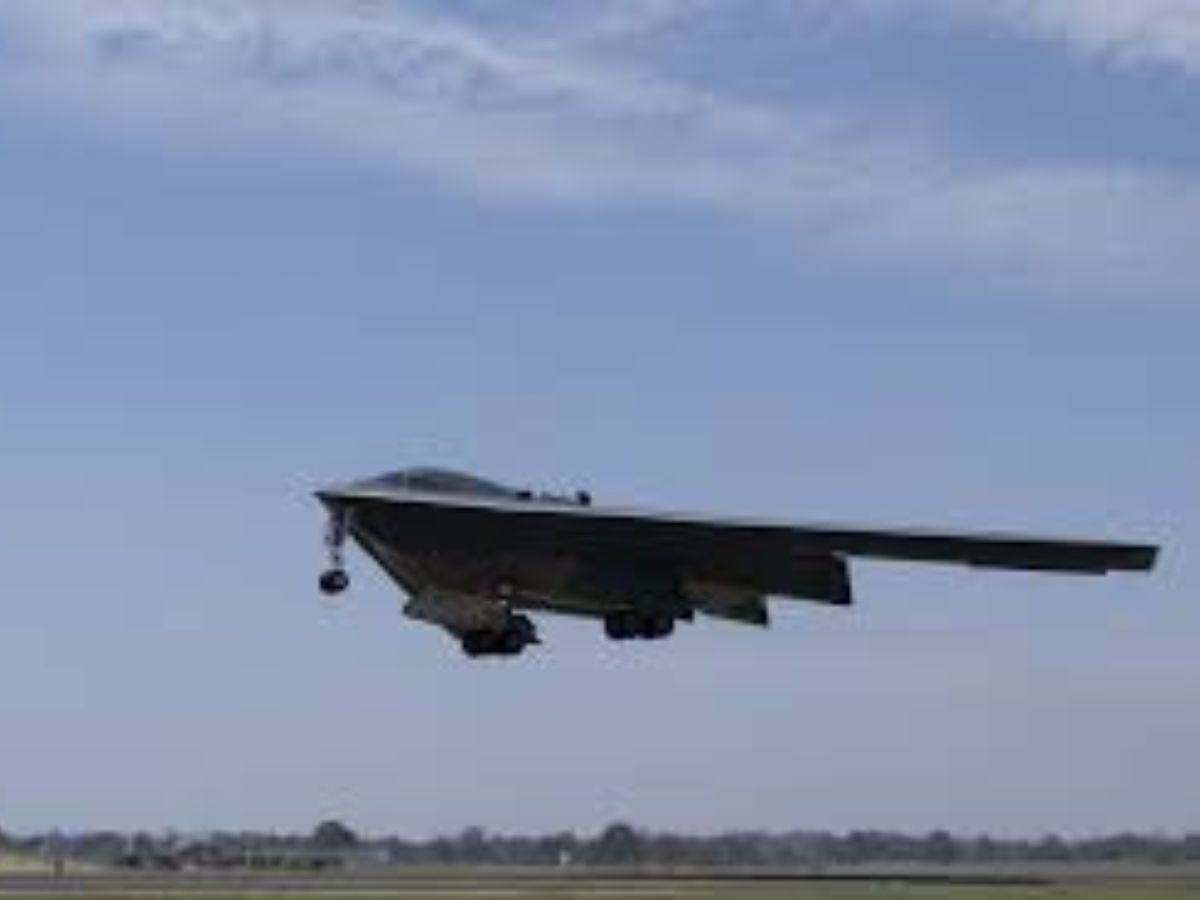
Psychological Warfare
Nicknamed the “invisible bomber,” the B-2 instilled fear among Iraqi forces, signaling that nowhere was safe and lowering morale before ground troops advanced, amplifying America’s psychological dominance.
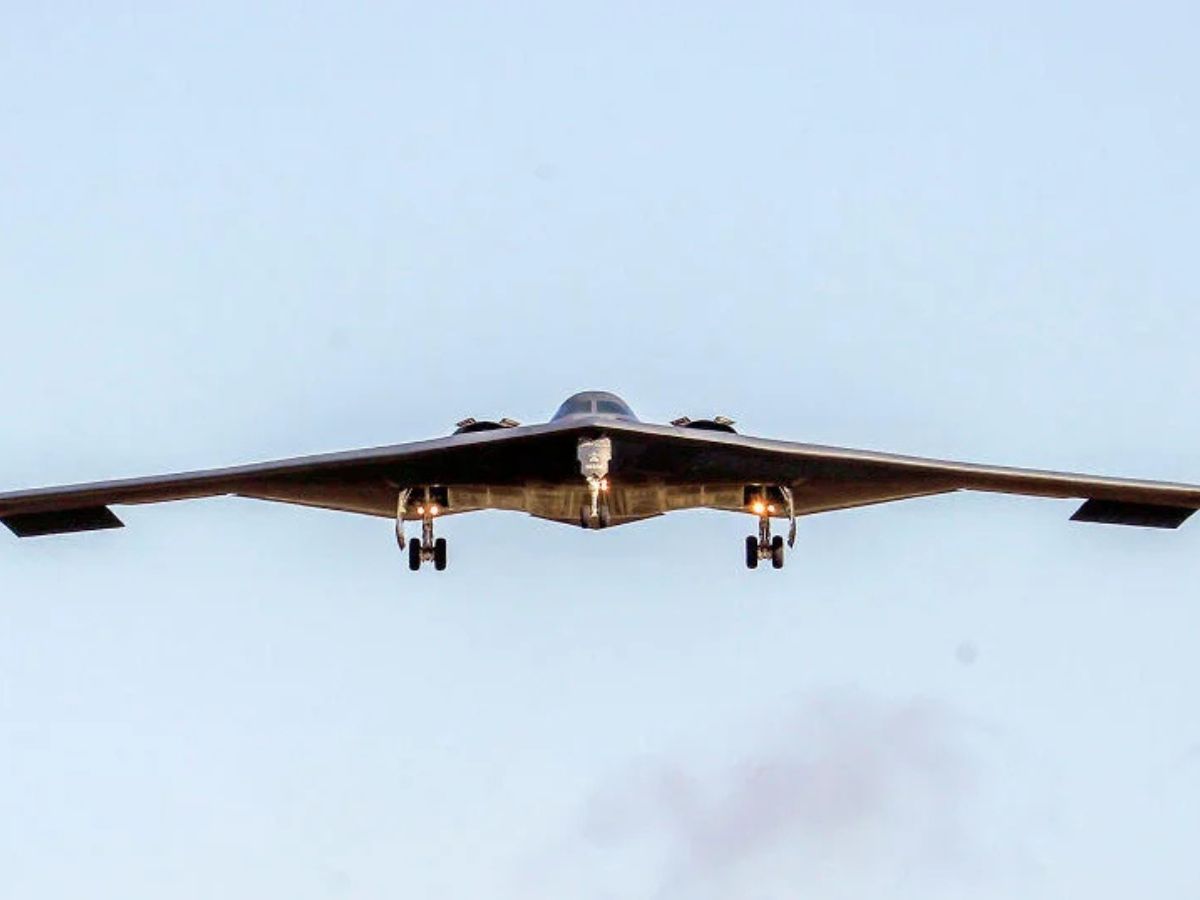
A Costly Operation
At $135,000 per flight hour, B-2 missions were costly but essential, delivering unmatched stealth and accuracy critical for dismantling Iraq’s defenses in the war’s earliest days.
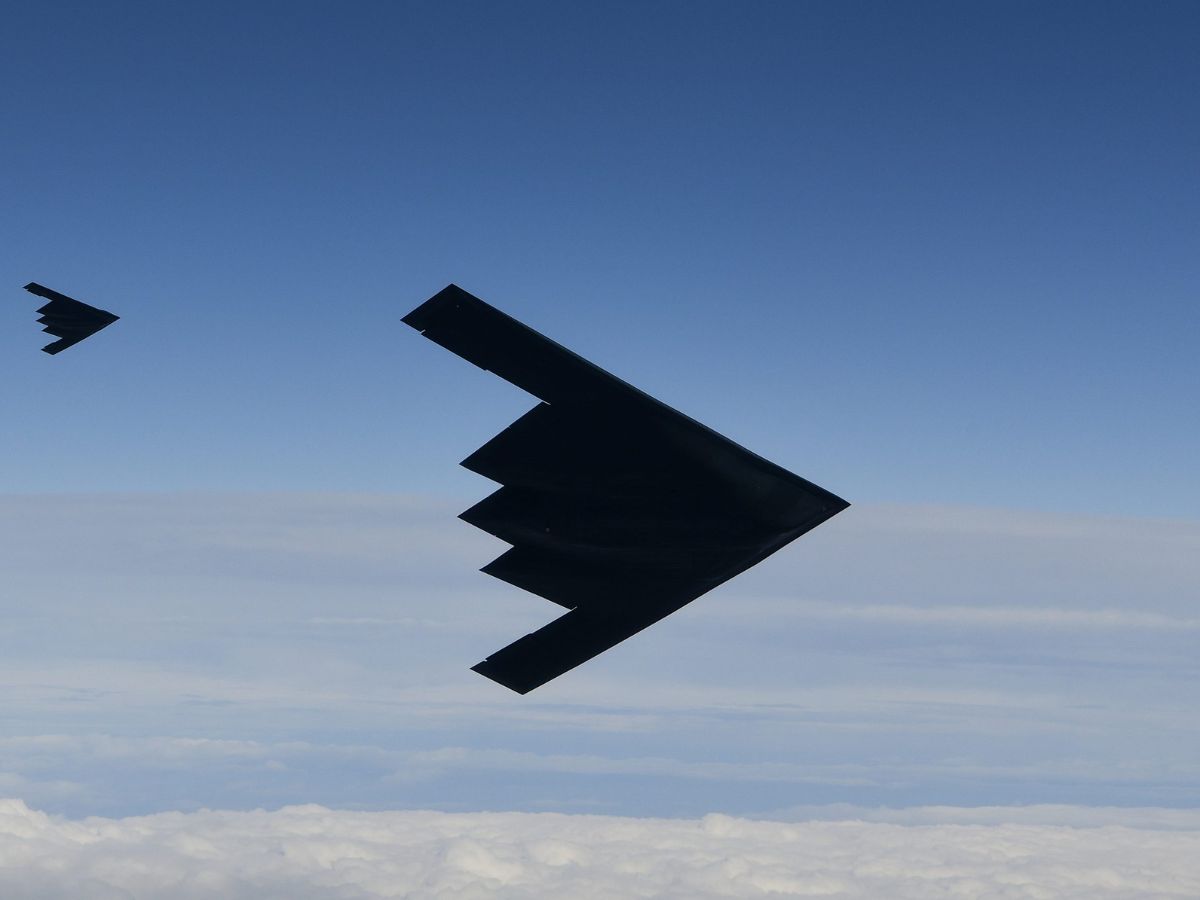
Legacy of the Campaign
The B-2 Spirit cemented its legacy during Iraq, embodying America’s “shock and awe” strategy with continent-spanning reach, stealth precision, and unmatched psychological impact, shaping modern military doctrine.