Green Tea Isn’t for Everyone: 6 Types of People Who Should Skip It Due to Side Effects
Green tea is praised for health benefits, but it’s not suitable for everyone. Certain individuals may face side effects like digestive discomfort, insomnia, or medication interference. This guide identifies six types of people who should avoid green tea and explains why moderation or alternatives may be safer choices.

People with Stomach Sensitivity or Acid Reflux
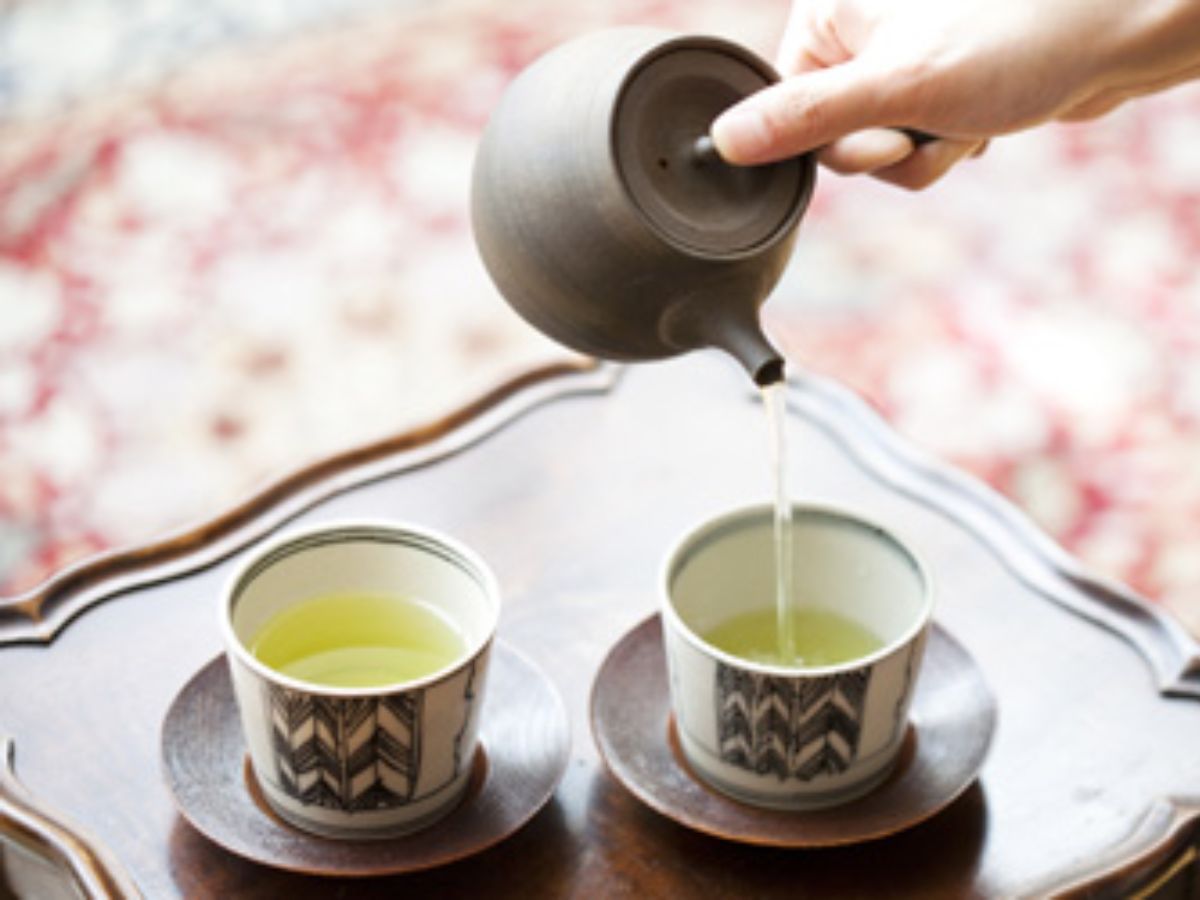
Green tea has tannins that can increase stomach acid thereby causing stomach pain, discomfort, bloating, constipation, and worse symptoms of acid reflux (especially when drinking on an empty stomach).
People with Anemia or Iron Deficiency Anemia
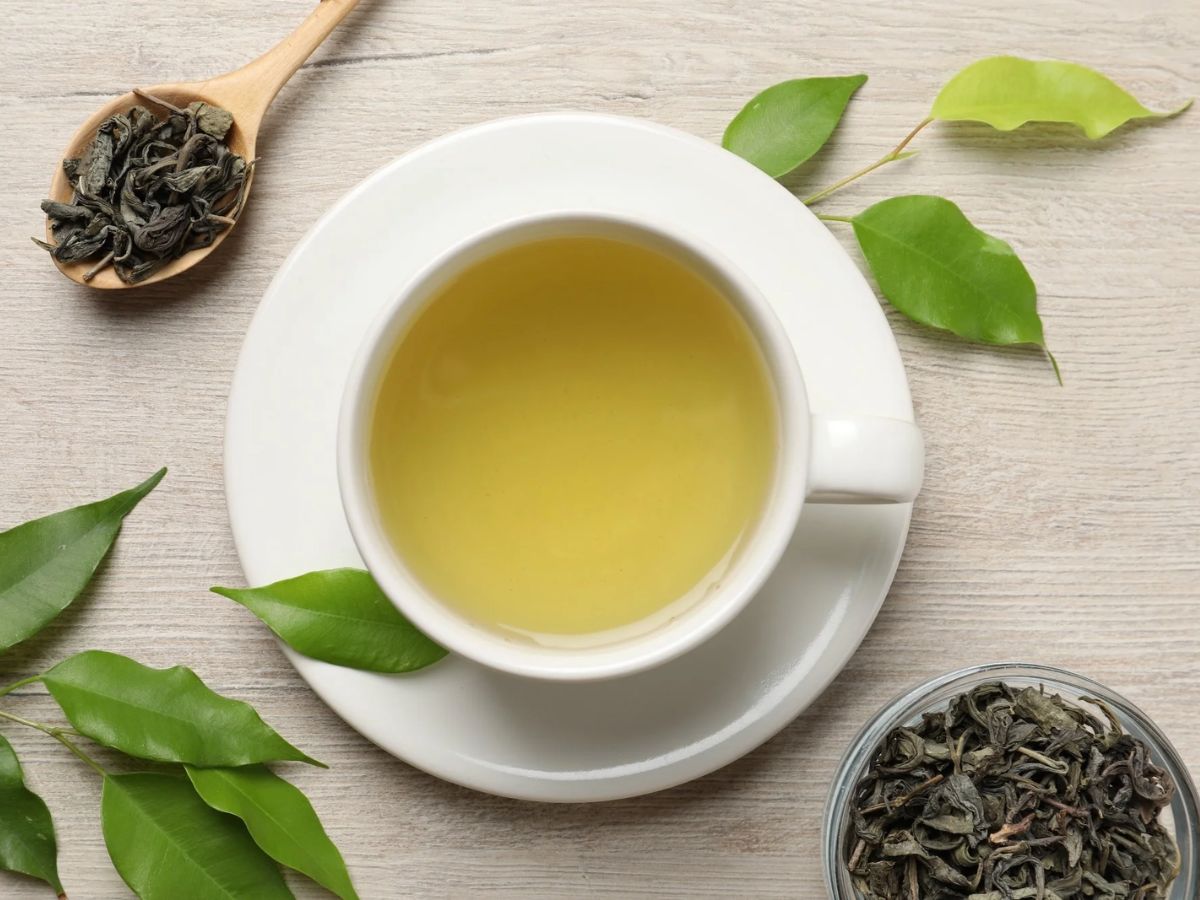
Green tea can inhibit the absorption of non-heme iron from plant sources which can worsen anemia. Green tea is not bad, it just would be best to consume it between meals rather than take it with meals.
Not Recommended for Pregnant and Breastfeeding Women
Green tea contains a fair amount of caffeine and catechins which could lead to an elevated risk of miscarriage but could also inhibit the absorption of folic acid (not good for the fetus and breastfed infant) so pregnant women should restrict green tea consumption to 2 cups a day at the most due to the combination of catechins and caffeine.
Not Recommended for People Who Are Sensitive to Caffeine
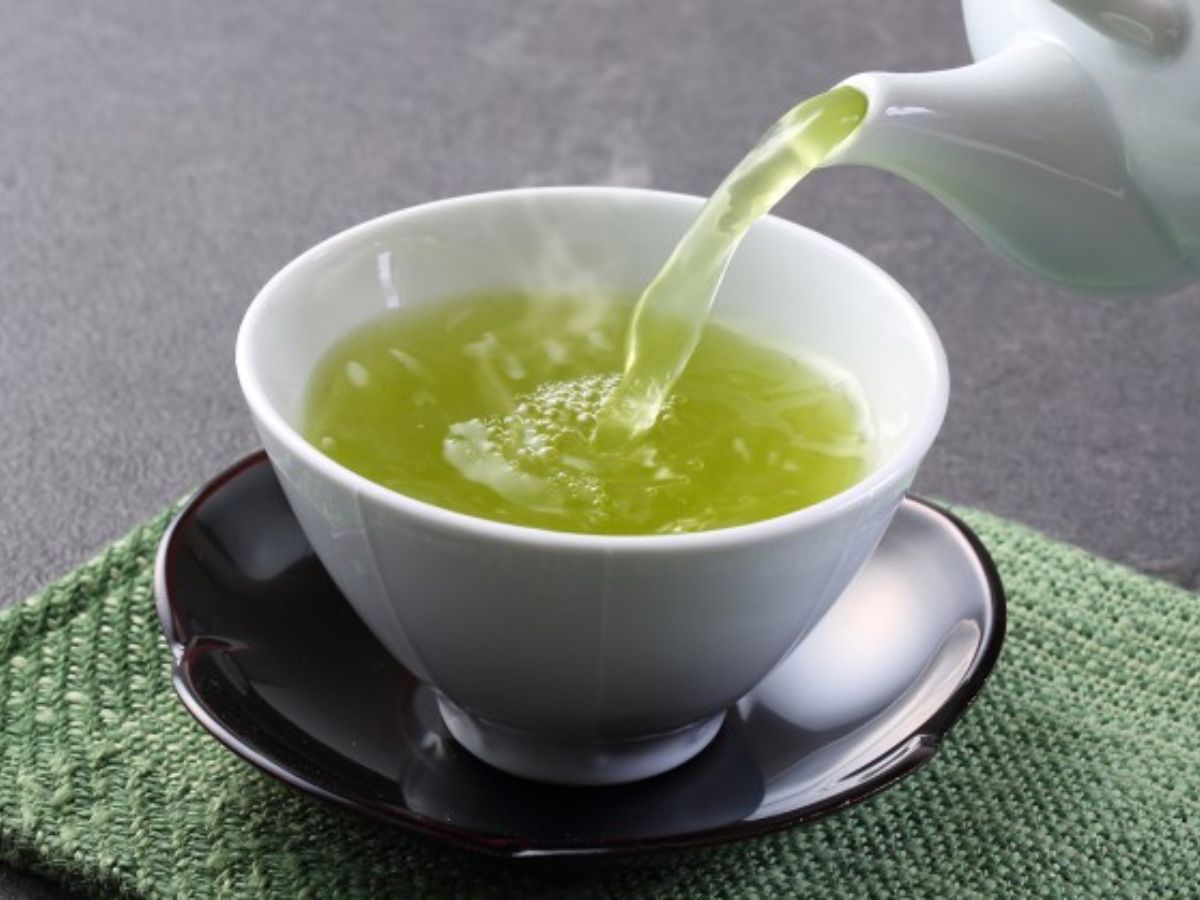
Golf lovers, people who are sensitive to caffeine, can feel restless, have rapid heart, shakiness, irritability, and a little mild shaking due to the very small amount of caffeine in green tea, so that category of consumer needs to reduce their consumption, or drink only decaffeinated green tea.
Children
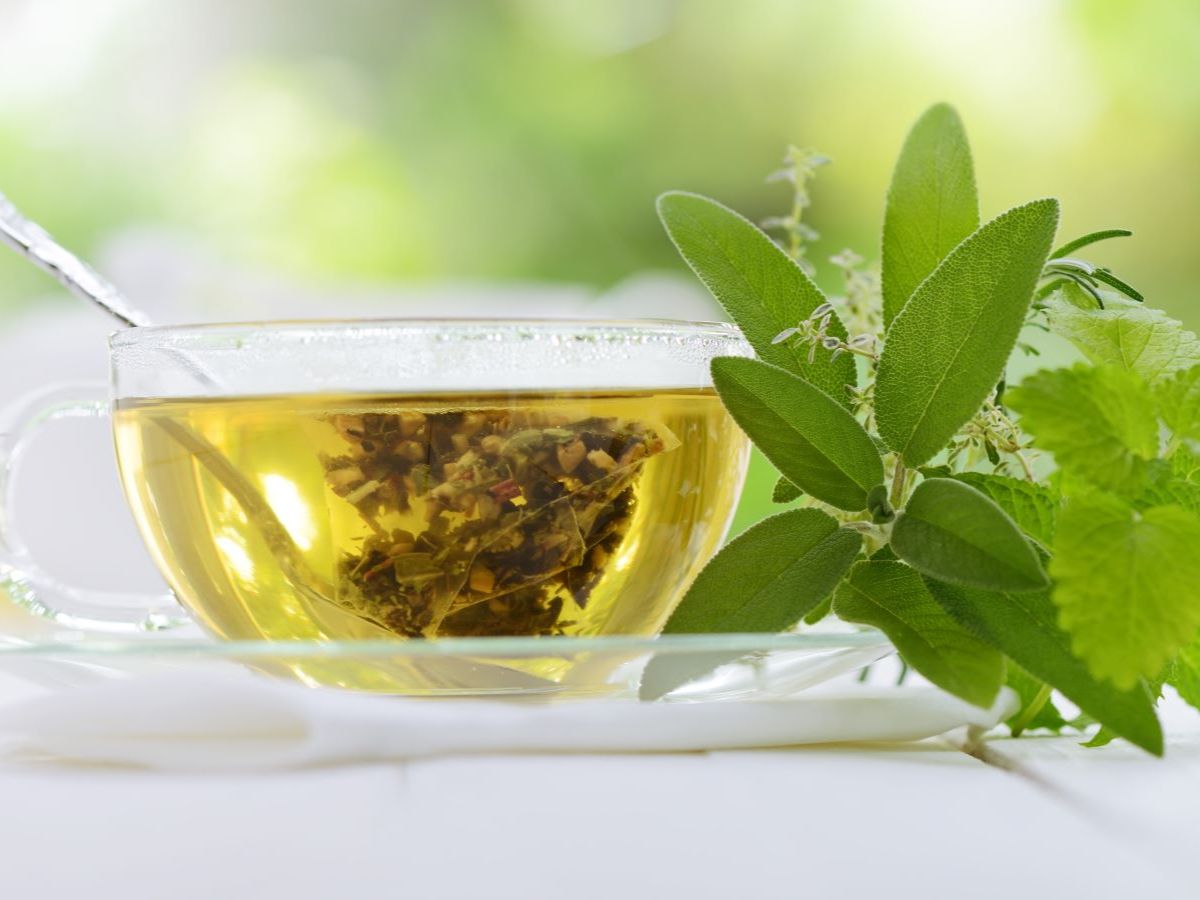
Green tea has caffeine that can overly stimulate a child’s nervous system or they cannot process the tannins that can block essential nutrients for growth. It is best to avoid offering green tea to children.
People with Certain Health Conditions
People with anxiety and anxiety disorders, bleeding disorder biomarker, heart rhythm problems, blood sugar-related health conditions, irritable bowel syndrome, glaucoma, detoxicating body organs like liver or kidneys, osteoporosis or strong family history of, should not drink or limit their intake to a certain quantity. Green tea may exacerbate current symptoms or interact physiologically with prescribed medications.

Disclaimer
This content is for informational purposes only and not a substitute for medical advice. Green tea’s effects vary based on individual health, lifestyle, and existing conditions. Consult a healthcare professional before adding or removing green tea from your diet, especially if you have medical concerns or take regular medications.