
Raksha Bandhan Across India: How Is Raksha Bandhan Celebrated Across India ?
Raksha Bandhan is celebrated across India with rich regional diversity while preserving the core sentiment of sibling love. In North India, traditional rituals, sweets, and family gatherings dominate the day. Rajasthan blends royalty and community bonds, with rakhis tied to trees and rulers. Gujarat and Maharashtra add religious layers through Pavitropana and Narali Purnima, combining spiritual offerings with family traditions. In West Bengal and Odisha, the festival aligns with Jhulan Purnima, symbolizing universal love. While South India doesn’t traditionally observe Rakhi, urban areas now embrace it alongside Avani Avittam. Each state adds its own cultural flavor to this heartfelt celebration.
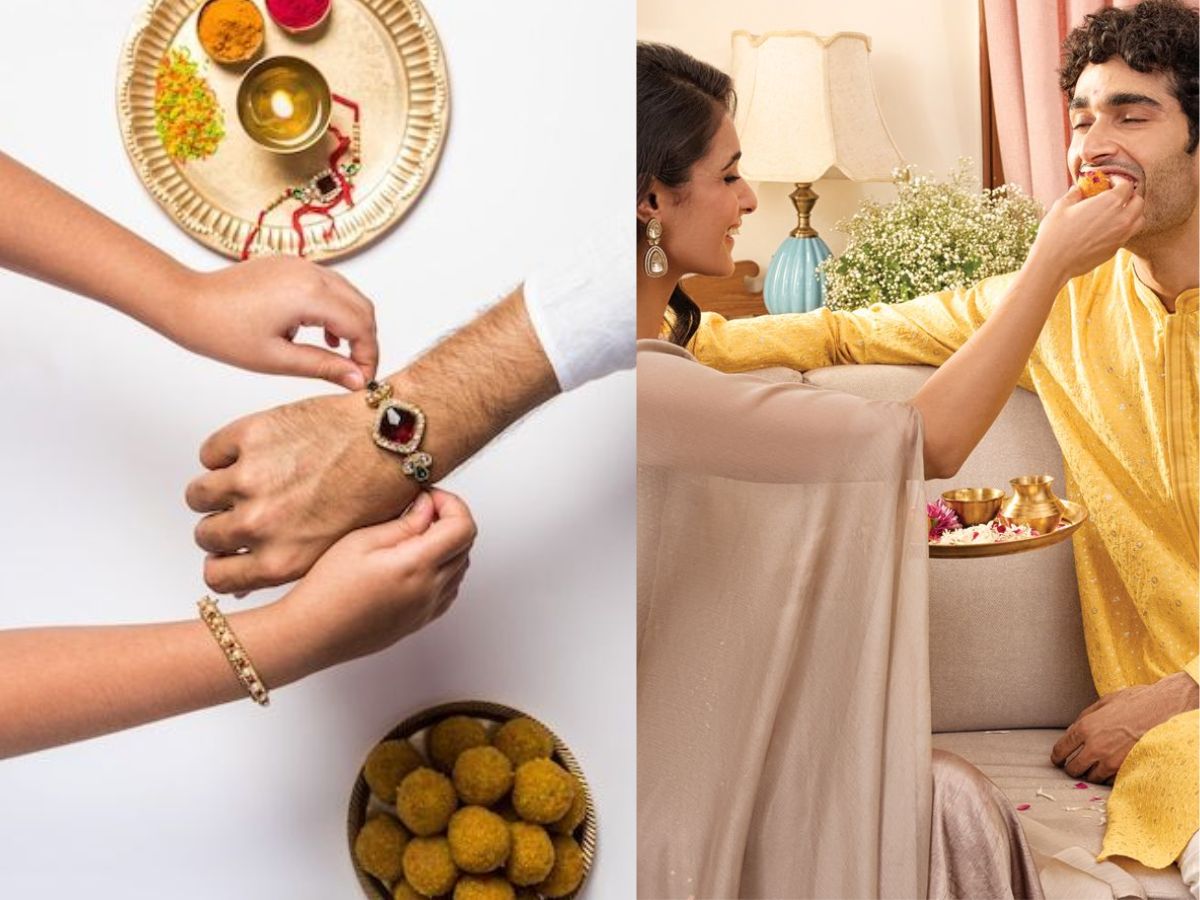
Northern India (Delhi-Punjab, Uttar Pradesh, Haryana)
North India celebrates Raksha Bandhan with all gusto. This is the first day when sisters wake up early and give aarti, put tilak and tie rakhi on the wrists of their brothers. Brothers in turn give presents and guarantee their protection all their lives. There are family get-togethers, sweets which are distributed that include laddoos and barfi and festive spirit can be seen in the decorated markets. Women usually wear some colorful ethnic clothes. The day strengthens the ties and customs of a family. Symbolic rakhis are exchanged between friends and colleagues in school and offices. Translated across a proverbial language barrier, the general mood of these states is happy, communal and ultra-united in the appreciation of brotherhood and heritage.
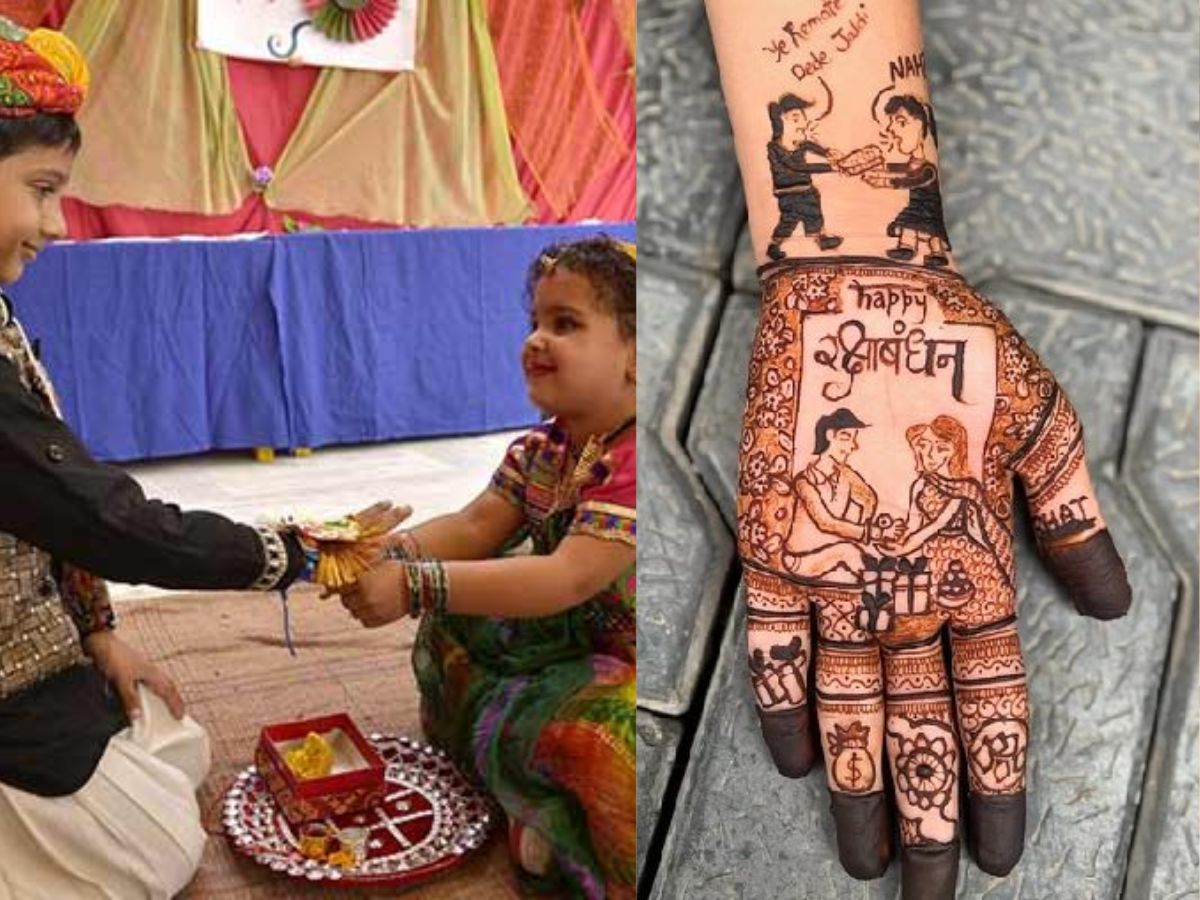
Rajasthan
Raksha Bandhan in Rajasthan is a combination of royal traditions and sense of culture. Women also tie a rakhi on the wrists of their sisters in law along with their brothers and it enhances family bond. Women of certain communities commit acts of kindness of tying sacred threads to the kesar tree or even to the local ruler which would act as an act of protection. The event is characterized by folk tunes and dresses. Minor Mehendi and decorative thalis are applied. The festival does not only depict love of family members but also love of nature and safeguarding of communities. Rakhi is also part of some regional festivals of the tribal groups. It is an array of colorful multi-layered festival in towns and villages of Rajasthan.
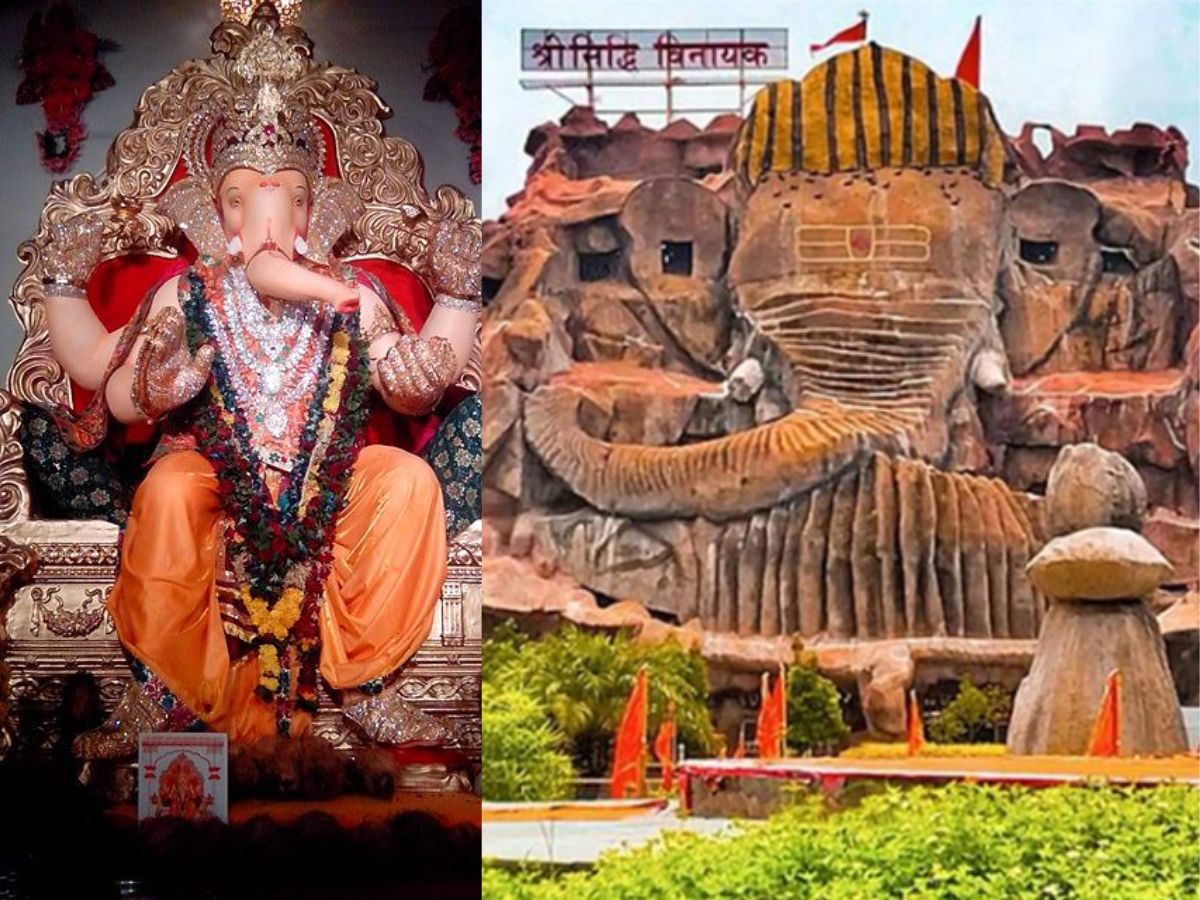
Gujarat
In Gujarat Raksha Bandhan is accompanied by Pavitropana that is a day of religious practice to Lord Shiva. Faithful people would go to temples and make sacrifices through the use of sacred cords and cocoanuts. The sisters tie rakhis on the wrists of their brothers who assure them of protection and hand over gifts of thought. Gujarati families love sweet foods such as basundi and shrikhand. Indians on the coast also feast and they sacrifice coconuts to the sea praying that fishermen will be safe. It was a mixture of spirituality, tradition and family love which makes the festival. There are colorful rakhis in the markets and its combination of rituals and celebration makes the event special in this western state. The festivity is underlined by security, spiritual and emotive.
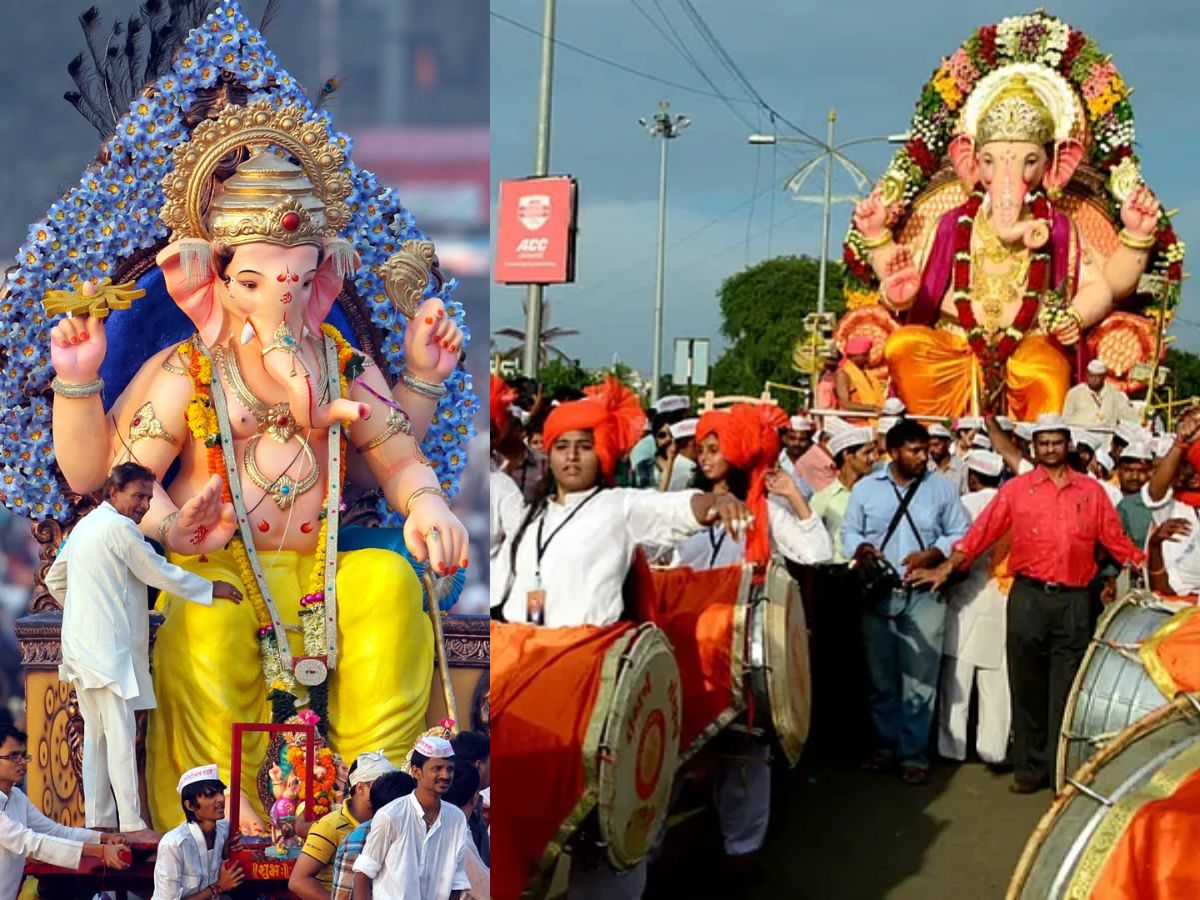
Maharashtra
Raksha Bandhan in Maharashtra is accompanied with Narali Purnima in coastal areas. Fishermen propose to the god of the sea with coconuts in order to protect them then they start new season of fishing. Although sisters like wrapping rakhis around the wrists of brothers the local customs and traditions give the customs the cultural flavour along with Maharashtrian food. People wear their best clothes and exchange gifts, eat sweets such as puran poli and spend time together with family. The celebration also includes folk songs and rituals of Marathi. Values of sibling love and the proximity to nature are covered in the festival. It has a twofold message one, of family connectivity and secondly of getting divine blessings to cover their backs and success.
Odisha and West Bengal
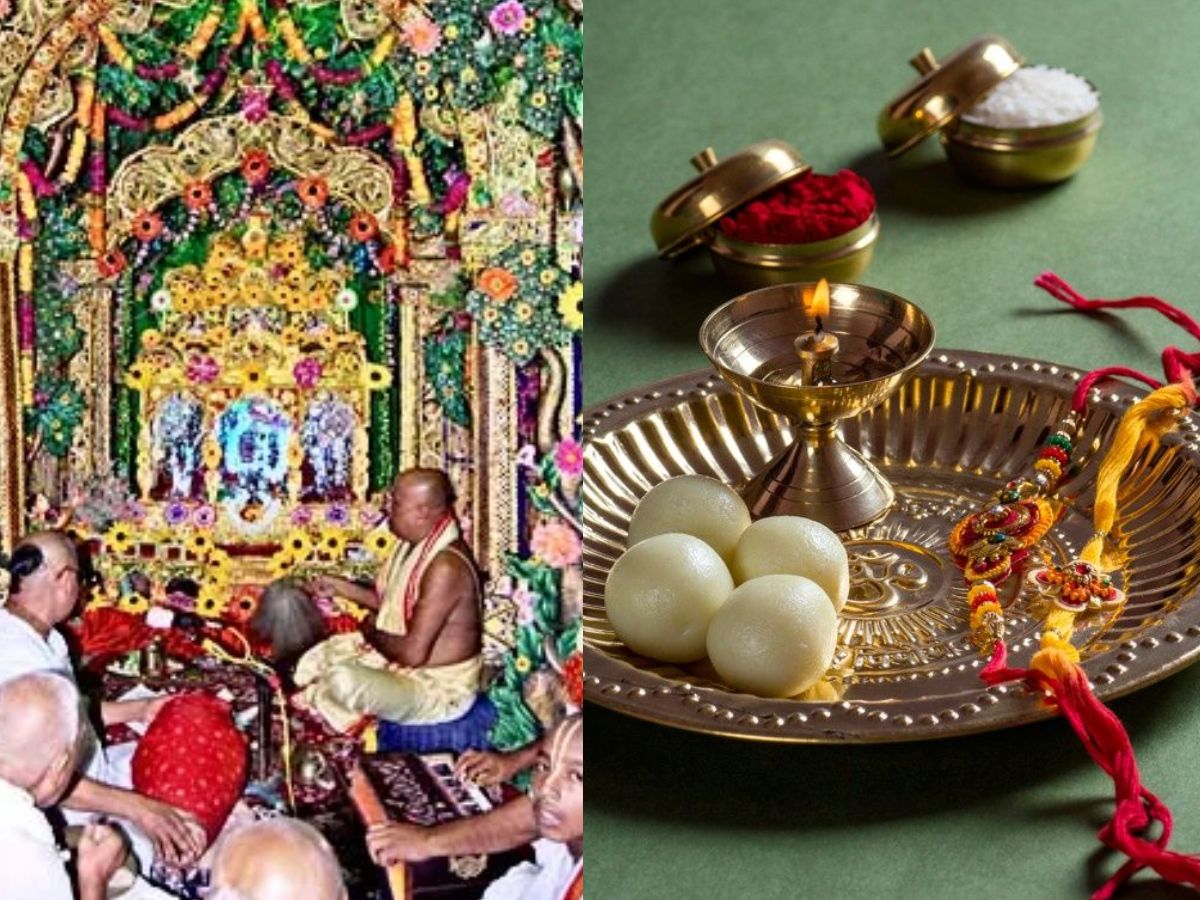
Raksha Bandhan in West Bengal and Odisha coincides with Jhulan Purnima which is related to Lord Krishna and Radha. As opposed to mere rituals made up to be between siblings, the festival is characterized by spiritual unity and integration of the community. Sisters participate in rakhi ties, however, it is more general- love, trust and peace among people is suggested through the rakhi tie. Temples have swings with decoration of Krishna and Radha, songs in devotion and ear-catching assemblies. Unlike the families in the north, there will be gift exchanges and festive food in urban families in the traditions of Rakhi. With this variant of Rakhi, there is not only the religious offering but there is also the celebrating of relationships, and hence this makes this day a spiritual and peaceful affair within these eastern states.
South India (Tamil Nadu, Kerala, Andhra Pradesh)
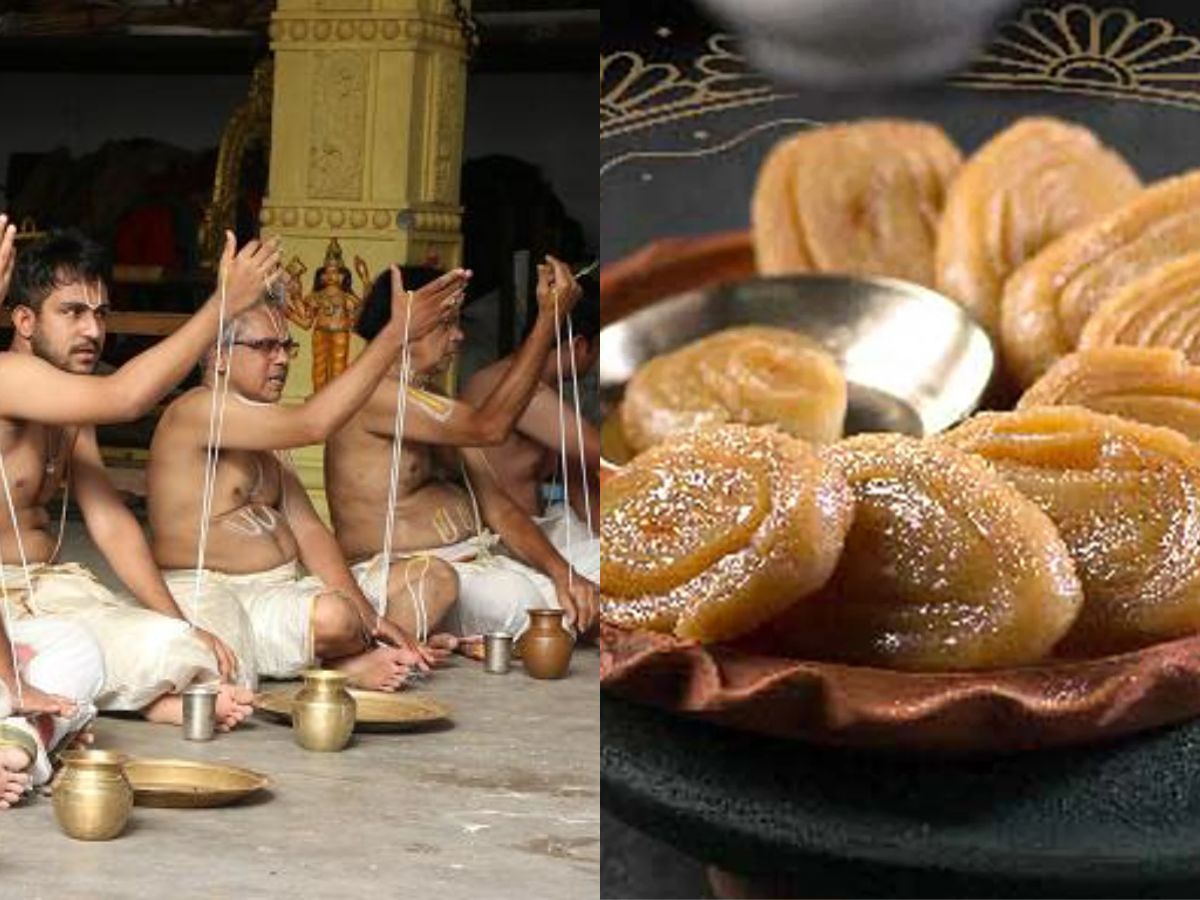
Raksha Bandhan is not conventionally a South Indian festival, however, that day comes along with Avani Avittam, a festival of significance to Brahmin males. It is a day in which they carry out a sacred thread-changing ceremony, which represents a spiritual renewal and responsibility. Rakhi customs have slowly started catching on, in urban localities, particularly, in cosmopolitan areas, where the ladies bind rakhis and men gift-give. There is the theme of protecting a sibling and showing love to a family though it is not founded on old southern ways. Special prayers and rituals are performed in temples. So, although Rakhi is more low key in the south, it is gaining importance with the inter regional and cross cultural interaction.




