

The Nana district of Bangkok has long been a refuge of Middle Eastern travellers with its streets being neon-lit. However, today, the hotel lobbies are filled with silence, and the smell of Arabic restaurants is frighteningly silent.
The growing tension between Iran and the US-Israel alliance, which was compounded in late February 2026 has served as a shockwave into the key tourism industry in Thailand, an industry that has a 12 per cent contribution to the GDP of the country.
Thailand Tourism Hit Hard in 2026
The Straits Times reported that the effect has been swift and brutal. What started as a local battle has evolved into a geopolitical crisis that is draining one of the strongest travel destinations in the world.
Trips that used to carry 150 tourists on the Chao Phraya River are currently recording only 30-40.
The Grace Hotel is a 60-year-old establishment in the Middle Eastern business centre of Bangkok, which is experiencing a 30-40 percent upsurge in bookings cancellation.
How Iran-US-Israel Conflict is Draining Tourists from Thailand’s Travel Hotspots
The hotel now finds itself with an almost empty lobby, even though it has more than 700 rooms which are usually filled with customers of the UAE, Saudi Arabia, and Qatar.
The Indians form a big portion of the inbound tourists and travellers all over are re-thinking their choice to visit Thailand. Before the war occurred, I was bound to leave Bangkok on a brief vacation.
The cancellations of the flights and the inability to predict whether we could get home, we had to pull the plug. I am considering October as a better period now because it will be unbearable in southeast Asia in the summer months, says Utkarsh, a lawyer based in Mumbai.
The pandemic was a worldwide lockdown, but the present crisis is targeting an industry that already has its financial safety nets overwhelmed.
Thai Boat Association reports that it has become worse than the COVID since the savings that have accumulated over years have been exhausted. On the Chao Phraya River, the journeys used to carry 150 tourists are currently making only 30-40 on average.
According to the other reports, the number of Middle Eastern visitors reduced to 16,080 in February 2026 compared to 32,831 last year.
Neighbouring Malaysia experienced a 40.3 percent decline in region arrivals in March, and Indonesia estimates a loss of 60,000 foreign tourists.
According to other reports, the number of Middle Eastern visitors has decreased by 32,831 in the previous year to only 16,080 in February 2026.
The Dry Reality: Petrol Shortages And Social Media Panic
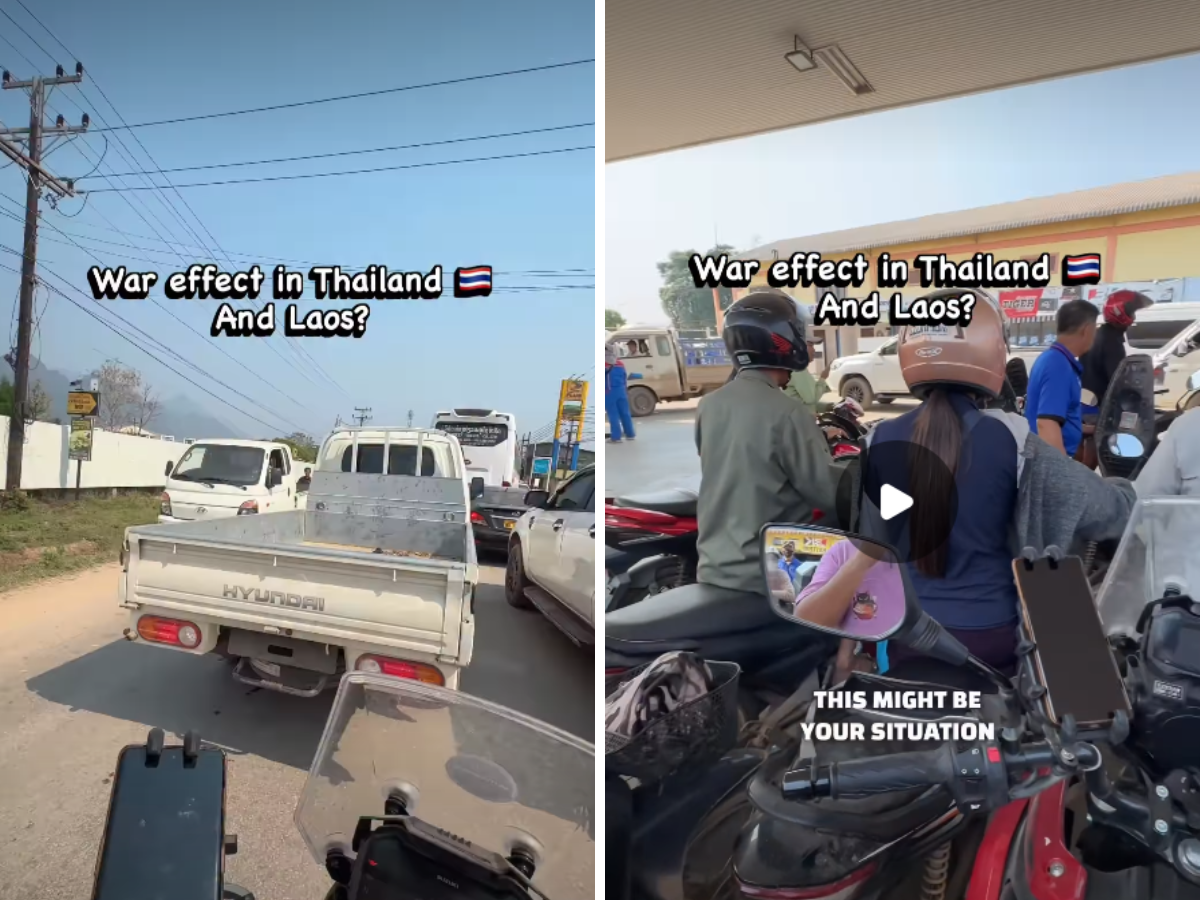
In addition to the hotels, the crisis has struck on the streets. Long queues of panicked people at Thai petrol pumps have been recorded in viral social media reels. Fuel has become inconsistent with the world crude prices rocketing and the Middle East shipping routes being interrupted.
The transport workhorse of Bangkok, delivery riders and scooter taxis, are also said to be erratic in their work. A lot of this month and last viral reels have seen petrol stations running dry, others having strict rationing, and both tourists and locals are being left stranded.




